Three insights you may have missed from theCUBE’s coverage of the Dell Technologies New York Symposium
AI operational readiness requires more than selecting the right servers, storage and computing capacity. Those considerations are particularly consequential for financial institutions, where reliability, regulatory obligations and the need to demonstrate returns on technology investments shape deployment decisions. Meanwhile, AI is changing the threat landscape, giving less sophisticated…
1. Dell Technologies Inc. President and Chief Security Officer, John Scimone, highlighted the reduced barriers to entry for less sophisticated attackers in the AI landscape. He emphasized that the threat landscape has changed, as attackers now have capabilities that once required significant resources, stating, "The least sophisticated attack tomorrow is more sophisticated than the world will have ever seen a year ago."
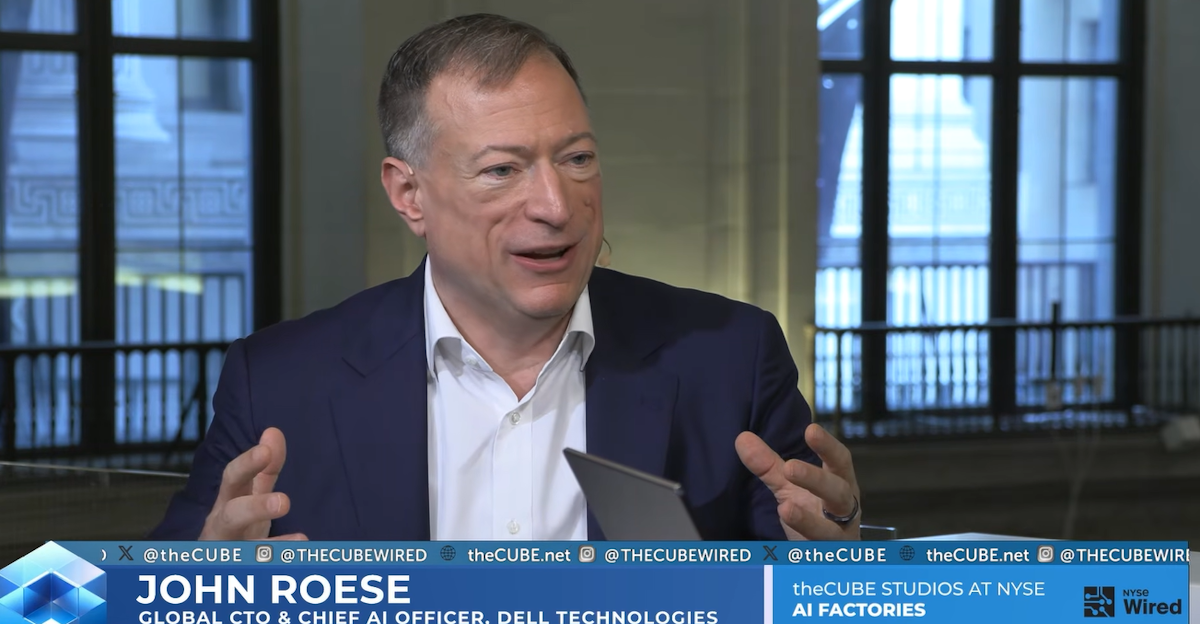
2. Dell's John Roese revealed that the company has been running fully autonomous agents internally for nearly two years. These agents capture institutional knowledge in machine-readable skill files, serving as the foundation for their AI strategy. Roese emphasized that while frontier and open models can be used, the true moat of an AI system lies in the unique knowledge it generates.
3. Dell CFO David Kennedy explained that as enterprises scale their AI deployments, finance teams are creating dedicated budget lines for token consumption. They are evaluating which workloads can run more cost-effectively on-premises, converting variable token expenses into fixed costs when executed efficiently. Kennedy emphasized that the focus should be on token efficiency rather than solely on the cost of individual tokens.
Written by urgent.news from SiliconANGLE's reporting — not their text. Machine-written — may contain errors; check the original before relying on it.