Signs it's time to replace your phone's screen protector
Should you stick with a smashed screen protector or not bother? Here's how to tell when it's time for a new one and unsuspecting signs you need to look for.
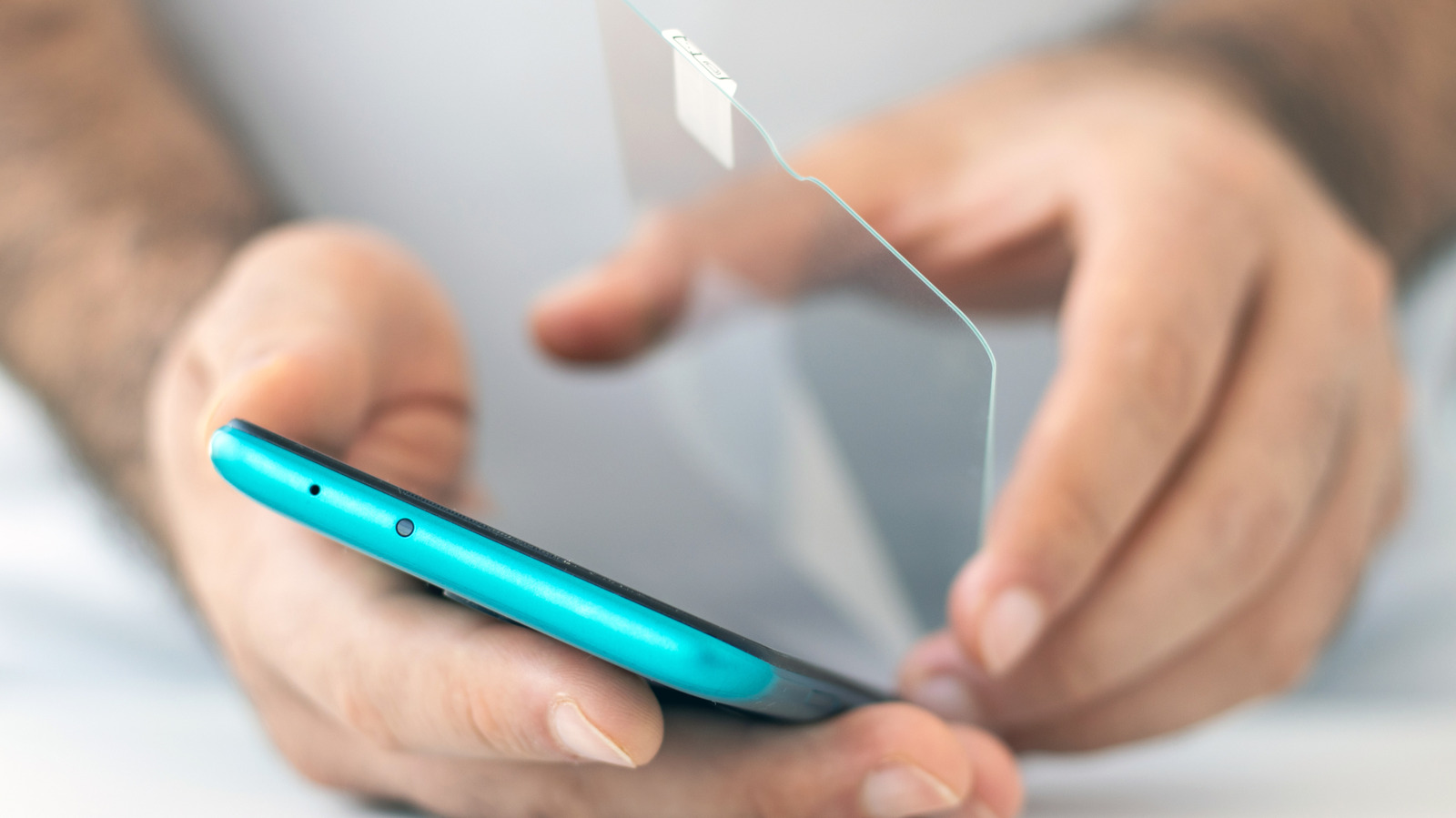
Screen protectors can offer valuable protection for your phone, but they don't last forever. As daily wear and tear takes a toll on your phone, so too can your screen protector begin to show signs of deterioration. If you notice any visible damage like bubbling, peeling, or scratches, it's time to replace the protector. Other indications may include yellowing, reduced touchscreen sensitivity, or a cloudy appearance.
The oleophobic coating, which prevents oil transfer from your fingers, can wear away, making smudges and fingerprints harder to remove. It's important to remember that a damaged screen protector won't provide the same level of defense against cracks and scratches. The lifespan of a screen protector can vary based on usage, quality, and care.
Avoid harsh cleaning agents that could strip protective coatings, including ammonia, bleach, or high concentrations of alcohol. Stick to microfiber cloths for cleaning and avoid extreme temperatures, improper installation, or excessive pressure that could contribute to cracking. Proper care and timely replacement of your screen protector can help extend both its effectiveness and the lifespan of your phone's screen.
Rewritten by urgent.news; may contain errors — check the original.