Saving the Javan rhino requires more than relocation
With fewer than 50 Javan rhinos left in the wild, establishing a second habitat is vital to prevent extinction—but success depends on rigorous science, strict accountability and learning from past setbacks rather than rushing to relocate them.
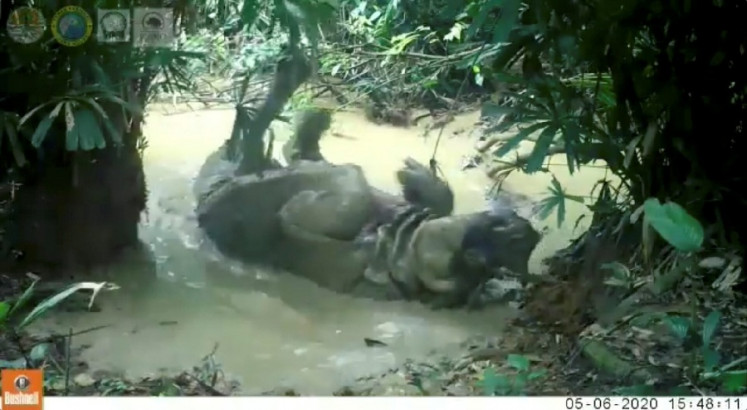
Indonesian lawmakers and environmental organizations are urging the government to withdraw a mining map covering parts of Ujung Kulon National Park, the sole habitat of the world's last remaining Javan rhinos. The push for action comes after Hashim Djojohadikusumo, a mining and energy tycoon and President Prabowo Subianto's brother, suggested relocating some of the rhinos from Ujung Kulon to Alas Purwo National Park on the eastern side of Java.
Djojohadikusumo made the proposal during the COP31 U.N. climate summit in Turkey on November 12, arguing that natural disasters pose a significant threat to the species. He warned that a tsunami, caused by an earthquake or volcanic eruption, could lead to the rhinos' extinction. Situated approximately 70 kilometers (43 miles) from Anak Krakatau, a highly active volcano in the Sunda Strait, the national park is at risk of devastation due to the volcano's eruptions.
In December 2018, Anak Krakatau's eruption caused a landslide and a tsunami that killed over 420 people on Java and Sumatra. None of the 68 Javan rhinos at Ujung Kulon were harmed during the event.
Written by urgent.news from Mongabay's reporting — not their text. Machine-written — may contain errors; check the original before relying on it.
This story
This is one outlet's version. Read the fullest account.
- Last Javan rhino habitat caught between mining plans and relocation debate news.mongabay.com
- What vanished Javan rhino populations can teach Indonesia thejakartapost.com