Struggle over trillion-dollar budget: New EU digital tax is intended to defuse dispute over budget
A new EU digital tax should in future contribute to financing the EU, according to the wishes of EU Council President Costa. The proposal is part of a new compromise proposal.
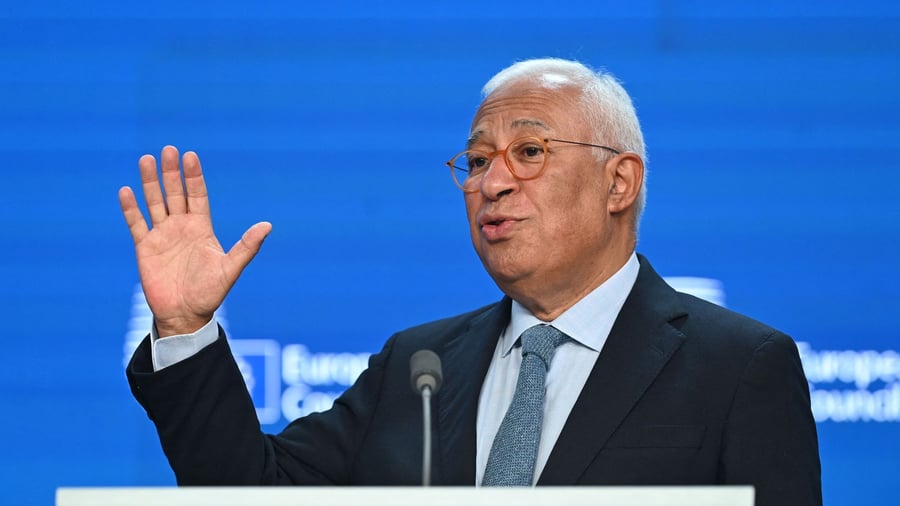
EU leaders aim to resolve budget disputes with new digital tax proposals. French President António Costa has suggested a new EU-wide digital tax, which would impose a 3% levy on large companies' online advertising, platform services, and user data monetization. The digital tax is part of a compromise proposal to reduce the EU's budget by approximately €60 billion per year from 2028 to 2034.
The idea targets companies with over €50 million in digital revenue in the EU and €750 million in global annual revenue. Additionally, Costa proposes a tax on crypto-assets and other new financial sources, including emissions trading and CO2 border adjustment measures. These new revenue streams are expected to generate around €5.5 billion annually to supplement the EU budget.
The proposal aims to address demands from major member states, particularly Germany, which wants a reduction in the overall EU budget. However, some EU countries, especially those that are net recipients of EU funds, oppose the cuts and demand a more substantial reduction in the budget. Merz, Germany's chancellor, remains unconvinced by the compromise proposal, stating that it is still too high in volume.
The European Council will discuss the proposal in a special summit in Brussels next week, with the hope of reaching an agreement by the end of the year. However, the process is complicated by differences in opinion among member states, particularly between those that contribute significantly to the EU budget and those that receive substantial funding for structural and agricultural programs.
Rewritten by urgent.news; may contain errors — check the original.
This story
This is one outlet's version. Read the fullest account.