Preterm birth: Understanding the risks, complications and care for babies born too soon
Every baby deserves a chance to survive and thrive. But for babies born too early, the journey to survival can be particularly challenging.
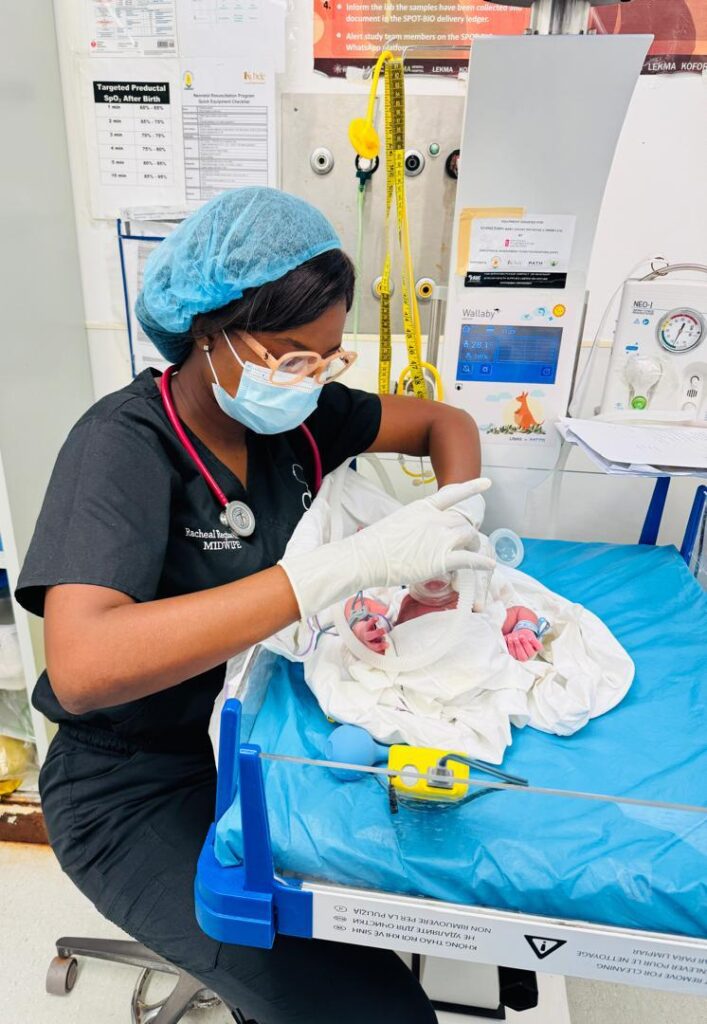
Every baby deserves a chance at life, but those born prematurely face significant challenges. World Prematurity Month shines a light on premature births and the support required for affected infants and their families. Premature birth, or preterm birth, occurs when a baby is born before completing 37 weeks of pregnancy. Organs like the lungs, brain, heart, and digestive system may not have fully developed, leaving the baby vulnerable to complications requiring specialized medical care.
Preterm babies are divided into three categories based on gestational age: Extremely preterm (born before 28 weeks), Very preterm (born between 28 and less than 32 weeks), and Moderate to late preterm (born between 32 to 36 weeks).
Various factors increase the risk of preterm birth, including maternal conditions like high blood pressure, pre-eclampsia, diabetes, kidney or heart disease, and anaemia. Infections such as urinary tract infections, reproductive tract infections, and malaria can also raise the risk. Other factors include multiple pregnancies, a history of preterm birth, cervical insufficiency, placental issues, vaginal bleeding, and premature rupture of membranes.
Lifestyle and social factors like smoking, alcohol use, harmful substances, inadequate antenatal care, poor nutrition, stress, and short intervals between pregnancies may contribute as well.
Despite risk factors, not every woman will experience a preterm birth. Early assessment, regular prenatal check-ups, and timely medical intervention are crucial. Signs of preterm labor include regular contractions before 37 weeks, persistent lower back pain, menstrual-like cramps, changes in vaginal discharge, vaginal bleeding, reduced fetal movement, or a noticeable gush of fluid. If any of these symptoms appear, immediate medical attention is necessary.
Preterm birth can lead to complications like Respiratory Distress Syndrome, where the baby's lungs lack the necessary surfactant to keep them open, leading to breathing difficulties. Other issues include hypothermia, feeding problems, neonatal sepsis, jaundice, and long-term developmental challenges. Proper care for premature babies depends on their gestational age and specific needs.
Kangaroo Mother Care (KMC), involving skin-to-skin contact and exclusive breastfeeding, is an evidence-based method that helps regulate body temperature, improve feeding, and reduce infection risks. However, KMC does not replace necessary medical treatments like oxygen therapy, CPAP, incubator care, medication, or specialized feeding support.
Parents should seek immediate medical attention if their premature baby exhibits signs like difficulty breathing, pauses in breathing, chest indrawing, blue or pale skin, poor feeding, fever, low body temperature, convulsions, extreme sleepiness, reduced movement, or yellow discoloration of the eyes or skin.
Rewritten by urgent.news; may contain errors — check the original.