Mahipalpur flyover a daily traffic bottleneck for half a million Delhi-Gurugram commuters
Multiple merging points, U-turns and downstream bottlenecks contribute to persistent jams on NH-48; proposed decongestion measures include regulating vehicle entry and enforcing lane discipline
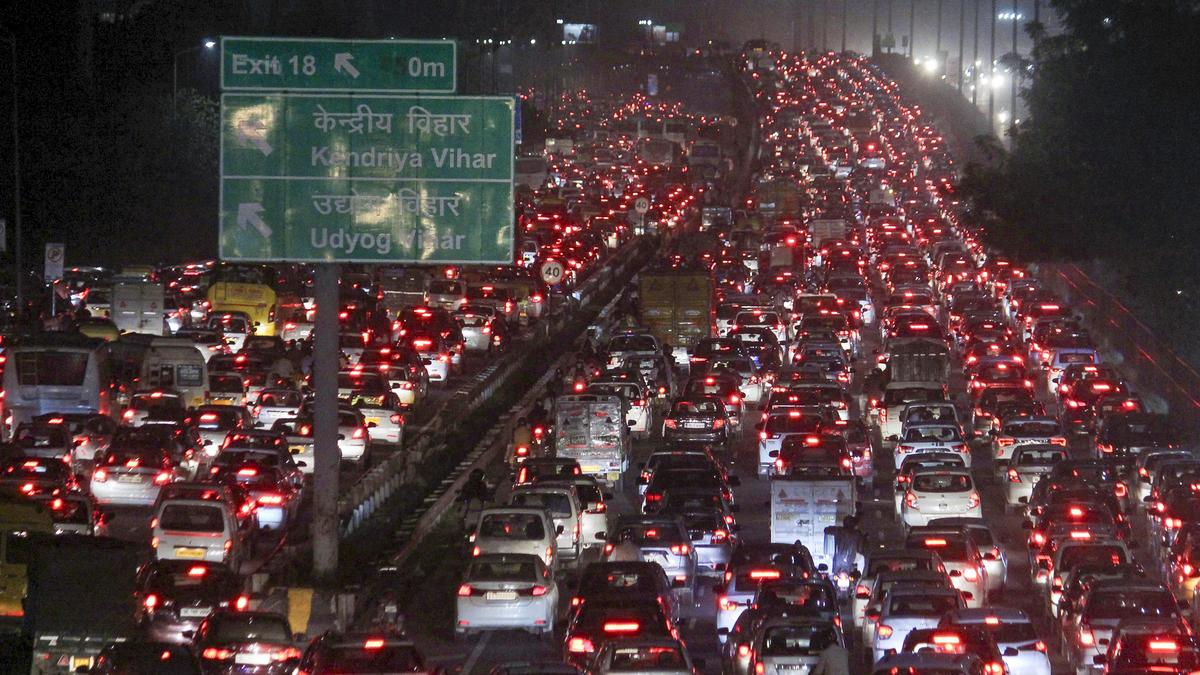
The Mahipalpur flyover, a crucial transport link connecting central Delhi with Gurugram, has emerged as a significant traffic bottleneck for over half a million daily commuters, according to the Delhi Traffic Police. The 36-kilometer stretch, which essentially serves as a conduit between the two rapidly growing urban centers, is plagued by persistent congestion that often stretches for miles beyond the flyover.
Commuters, such as Gajender Rawat, a private-sector employee working in Gurugram, detail the severity of the bottleneck. Rawat, who commutes via the flyover from his residence in Paschim Vihar to his workplace, often spends between 30 to 40 minutes navigating the traffic congestion, which is comparable to the duration of his entire trip to work if traffic were not a factor.
He notes that the congestion begins almost immediately upon entering the flyover, with vehicles gradually slowing down as they approach the congested stretch.
Another commuter, Denis Gupta, takes a longer route through the Urban Extension Road (UER) to avoid the Mahipalpur flyover and the associated traffic jams. Despite the additional time and toll charges, Gupta finds the longer journey preferable to enduring the daily traffic snarl. The prolonged congestion has prompted commuters to seek alternative routes, with some opting for longer, less-congested roads to avoid the persistent jams.
The problem has garnered attention on social media, where commuters frequently describe the flyover as a "permanent choke point" and lament the inadequacy of current traffic management measures. The issue has also prompted complaints about the lack of police presence during peak hours, leading to long queues of vehicles and buses stopping to pick up and drop off passengers. The situation has led to concerns over the overall traffic management strategy, with commuters frustrated by the recurring traffic jams.
In response to the ongoing congestion, the Delhi Traffic Police has proposed a comprehensive plan to address the issue. The plan focuses on regulating the volume of vehicles entering the flyover, rather than merely increasing signal timings. Key recommendations include controlled entry from feeder roads such as Telco Cut and Radisson, managing merging and U-turn movements, enforcing lane discipline, and installing temporary lane delineators and directional boards to improve traffic flow.
The plan also emphasizes the importance of keeping the road beyond the flyover clear to prevent congestion from building up backwards.
The proposed measures aim to address the five primary contributors to the congestion, including heavy traffic from various neighborhoods such as Vasant Kunj, Mehrauli, and Saket, as well as airport traffic and local vehicles making U-turns. The police have identified the narrowing of the flyover's carriageway as a significant factor, making the movement of vehicles particularly challenging.
By regulating the traffic flow and improving the dispersal of vehicles beyond the flyover, the authorities hope to alleviate the congestion and improve the commuting experience for millions of residents and workers in the region.
Written by urgent.news from The Hindu's reporting — not their text. Machine-written — may contain errors; check the original before relying on it.