Lana Nusseibeh’s candidacy marks a new era for women in leadership
Women’s participation in politics has grown steadily over the past decades, and there is still room to grow. According to the Inter-Parliamentary Union and UN Women, as of January 2026, 28 countries were led by women, and women held 27.4 percent of parliamentary seats worldwide. Yet each step forward brings a wider range of experience into decisions relating to health, education, human rights,…
Women's roles in politics have expanded significantly in recent years, with opportunities for further growth. As of January 2026, the Inter-Parliamentary Union and UN Women report that 28 countries are led by women, making up 27.4 percent of parliamentary seats globally. This progress toward increased female political participation brings a diverse range of perspectives to discussions on critical issues such as health, education, human rights, peace, and security.
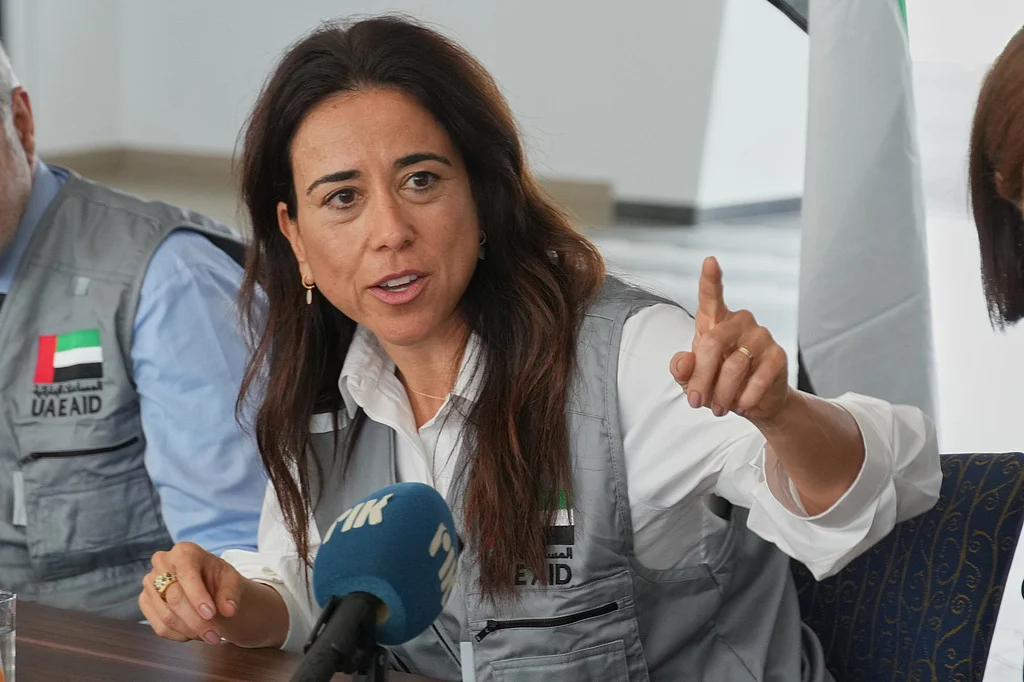
One prominent example of this trend is Lana Nusseibeh, who made history in 2013 as the first woman to serve as the UAE's permanent representative to the UN. She later became the president of the UN Women executive board and a vice-president of the General Assembly in 2017. In 2022, during the UAE's term on the Security Council, Nusseibeh played a key role in advancing a 2023 resolution that established a humanitarian aid mechanism for Gaza.
On October 21, the UAE formally nominated her to succeed Antonio Guterres as UN Secretary-General, with all six countries of the Gulf Cooperation Council (GCC) backing her nomination. If selected, she would be the first woman to lead the UN.
Nusseibeh's journey reflects a broader national path, as the UAE has consistently supported women's political participation and leadership. Today, Emirati women hold key positions in ministries such as education, youth, climate change, and international affairs, bringing their expertise and commitment to policies that impact daily life.
Her candidacy extends this progress, embodying the UAE's values of tolerance, cooperation, and dialogue. As a trusted voice in diplomacy, Nusseibeh offers a fresh perspective to the UN, emphasizing the need for "quiet diplomacy" to prevent conflicts and engage early in resolving issues before they escalate.
Her vision for the UN focuses on areas where it can make the most significant impact, particularly in development support tailored to each country's unique needs and priorities. She also highlights the potential of artificial intelligence and the importance of ensuring widespread benefits from this technology. Despite facing criticism, including allegations against the UAE, the country has consistently called for an immediate ceasefire and worked with the US, Saudi Arabia, and Egypt through the Quad to address the conflict.
Nusseibeh has pledged to act independently during her potential tenure, emphasizing impartiality, which is crucial for the role as mandated by the UN Charter.
Historically, the UN has been led by nine Secretaries-General, all of whom were men. This year presents a rare opportunity to select the first woman for this prestigious position, demonstrating the organization's commitment to reflecting the world's diversity and talent. With five of the eight candidates vying for the position being women, this reflects growing support for greater gender balance in global leadership.
Nusseibeh's candidacy as an Arab and Gulf voice adds another dimension to this historic moment, showcasing the readiness of women from the region to contribute at the highest levels of diplomacy. This milestone, whether achieved or not, underscores the significant strides made in international politics and serves as an inspiration for young women worldwide.
Written by urgent.news from Gulf News's reporting — not their text. Machine-written — may contain errors; check the original before relying on it.