HomeView vs. Echo Show: What's the difference between Apple's and Amazon's smart displays?
Both the HomeView and Echo Show put an AI assistant in your home, but they work in different ways.
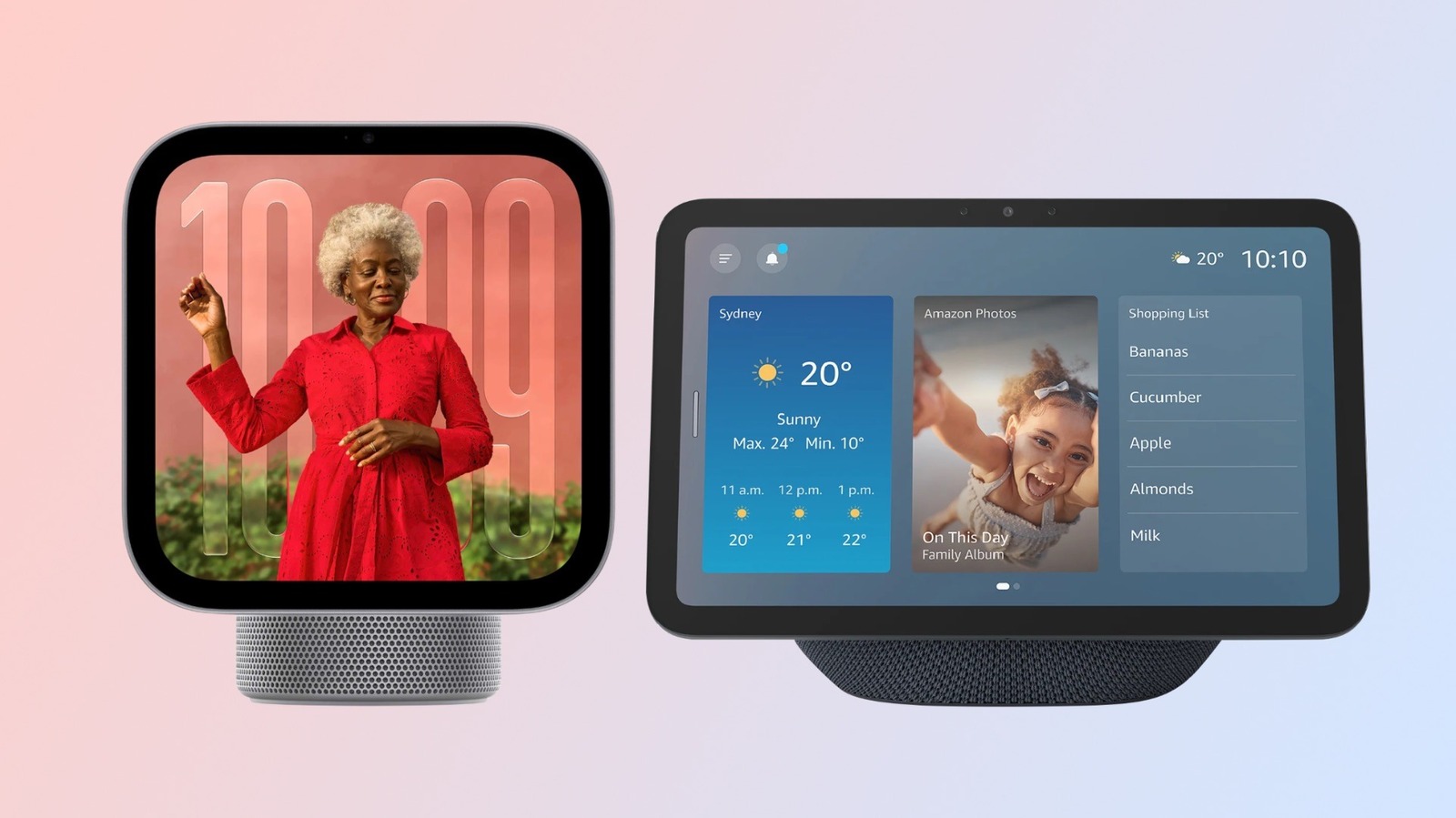
Both Apple's HomeView and Amazon's Echo Show are smart displays that integrate AI assistants into homes, but they differ in functionality and compatibility. Amazon and Google have dominated the smart display market, but Apple has now entered the arena with HomeView. Priced at $299, HomeView features a touchscreen, speakers, and optimized for Apple ecosystem users, featuring Messages, Apple Music, and HomeKit.
Comparing it to Amazon's Echo Show is inevitable, especially with the company's recent release of a 16-inch model. Despite being smart displays, they operate differently and the decision between them depends on your existing ecosystem.
Size is a primary distinction between the two. HomeView is a new product available in only one variant, featuring a 7-inch square screen. Conversely, Amazon provides various Echo Show devices with different screen sizes. Entry-level Echo Show models have a 5.5-inch screen and cost $99, while larger options, such as the 21-inch model for $499, also exist.
While most features are similar, the 16-inch and 21-inch models can run Fire TV apps. The Echo Show 8, with an 8.7-inch display, closely resembles HomeView. However, Echo devices have widescreen displays, making them better suited for watching 16:9 videos, while HomeView's square shape may be inconvenient for video viewing.
On the hardware side, both devices have built-in cameras, but their usage varies. HomeView's 12-megapixel camera functions exclusively with FaceTime, Mirror feature, and facial recognition. The Echo Show 8, with a 13-megapixel camera, can capture selfies or serve as a live-view camera for monitoring your home. The sound quality in both devices is comparable, with two full-range drivers and a woofer.
The HomeView's base also includes two passive radiators for enhanced bass. The main difference lies in how they function. Echo Show is a standalone device connected to an Amazon account and can operate directly on your network. In contrast, HomeView necessitates an iPhone or iPad for setup and cannot function without it. Echo Show users can also use Alexa+ via Prime membership to manage calendars, reminders, and shopping without their phone, while HomeView relies on Siri, which is limited to personal requests if paired with a recently unlocked iPhone 15 Pro or later.
Lastly, while both devices offer multi-user support with voice and facial recognition, HomeView automatically switches profiles, which may not always work as intended. Overall, both products cater to different users - Amazon's Echo Show is a versatile standalone device for anyone, while HomeView is an accessory for Apple users who already own other Apple products and rely on the company's core apps and features.
Rewritten by urgent.news; may contain errors — check the original.