Harbinger is building the unsexy EVs that keep the economy moving
While legacy automakers tap the brakes on electric vehicles, one startup is hitting the accelerator. Earlier this month, electric truck maker Harbinger raised $240 million in a Series D round, capping a banner stretch that includes a $300 million order from FedEx and a new defense contract with the US military. Harbinger is stacking up […]
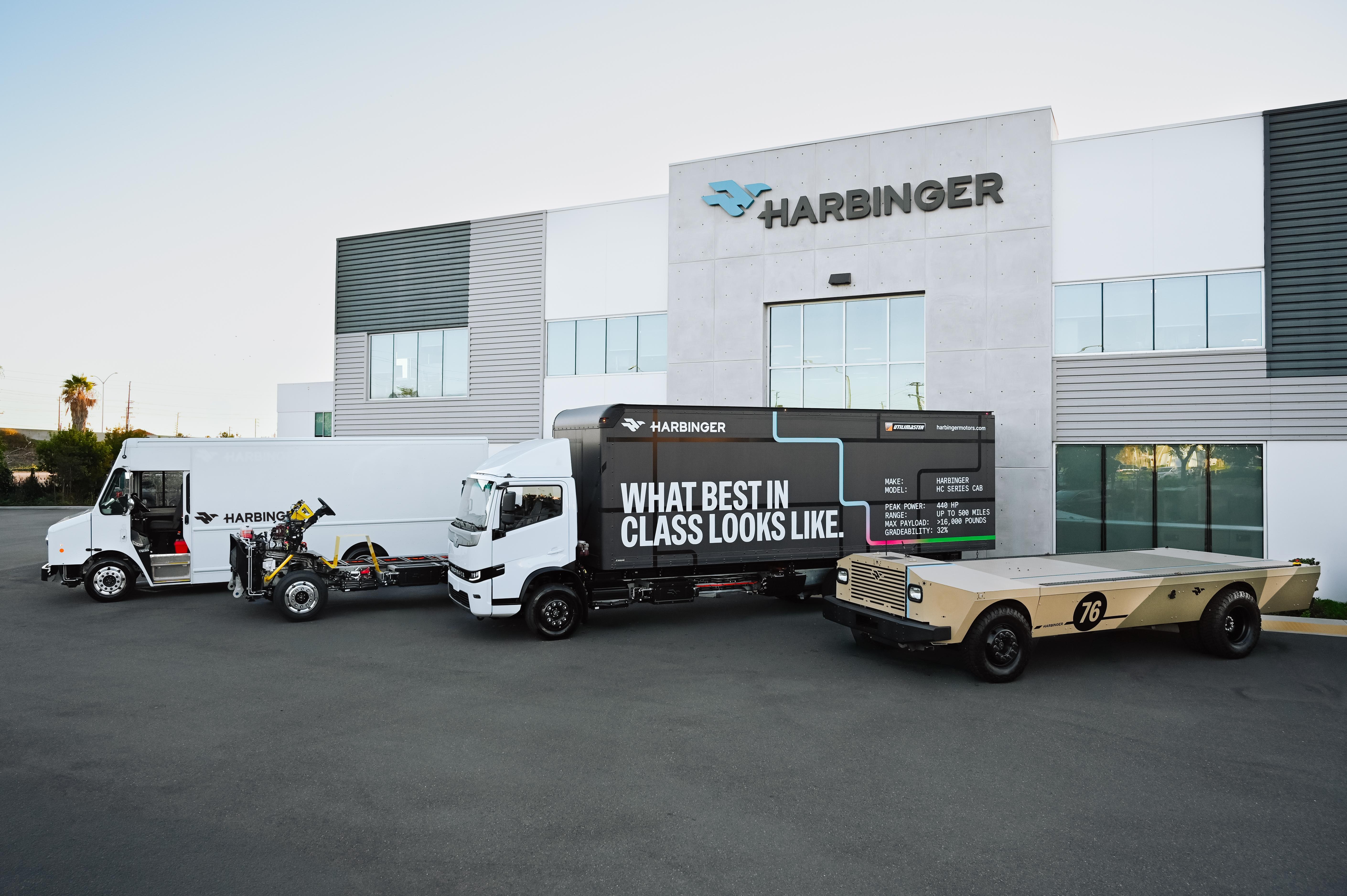
While major car manufacturers are pulling back on electric vehicles, a startup called Harbinger is accelerating its progress. The electric truck maker recently raised $240 million in a Series D funding round, adding to a string of successes that include a $300 million deal with FedEx and a new defense contract with the U.S. military.
Harbinger is setting itself apart by avoiding the consumer EV craze and instead focusing on the often-overlooked workhorses that keep the economy moving - Class 4–6 delivery vans and box trucks. Their strategy is straightforward: target the under-served commercial segments where traditional trucks fall short and where the big automakers aren't willing to compete.
CEO John Harris explains, "We're not tackling the big obvious problem because everyone's going to solve that, and margins get squeezed to zero. We're addressing issues that have been there forever, and you just consider them a part of life - like a tax on your life." Founded in 2021 by veterans of companies like Canoo, QuantumScape, and Faraday Future, Harbinger aims to fill a gap in the auto market where passenger EV platforms lack durability and heavy-duty platforms are too heavy and expensive.
In the auto industry, there's a clear distinction between Class 1 (small vehicles) and Class 8 (large trucks), with the medium-duty segment often overlooked. Major players like Ford and GM have made attempts to electrify this space with models like the E-Transit and BrightDrop, but both struggled with sluggish sales and lost federal incentives.
Harris believes big automakers are not well-suited for the task, relying too heavily on third-party suppliers for components and making the process too costly and spread out. Harbinger plans to take a more vertically integrated approach, building its own battery packs and drive units in-house, with inverters to follow. They believe electric vehicles can only be viable if they compete price-wise with combustion engine vehicles.
The company's founders have faced setbacks in their previous ventures, but Harbinger approaches the problem in a more realistic way, offering battery-electric and plug-in hybrid powertrains for medium-duty trucks. They're not pursuing heavy-duty Class 8 trucks, arguing that the economics of electric long-haul trucking aren't feasible.
With major players like Amazon and FedEx investing in electric delivery vehicles and rising diesel prices due to geopolitical issues, Harbinger is well-positioned to become a key supplier in the market. The company is also expanding into energy storage and military technology, supplying battery power systems to Airstream and partnering with American Rheinmetall and Forterra to create self-driving hybrid supply vehicles for the U.S. Army.
Harbinger recently acquired Phantom AI to add advanced driver-assistance features to commercial fleets, aiming to provide companies with measurable safety benefits. With fresh capital and existing contracts, Harbinger has overcome the initial hurdle of many of its founders' past ventures and now faces the challenge of scaling their production to meet demand.
Harris believes that if Harbinger can build successful vehicles, their success will have broader implications in other segments of the auto industry.
Rewritten by urgent.news; may contain errors — check the original.