Filmmakers must humanise, not divide, Nandita Das tells DFF audience
<p>Doha: Indian actress and filmmaker Nandita Das, honoured with the Creative Excellence Award at the Doha Film Festival (DFF), described the recognition as both an appreciation of her body of work and a continuing responsibility to tell stories that heal rather than divide.</p> <p>Speaking at a press conference yesterday, Das, making her first visit to Doha, said she hoped to return more often…
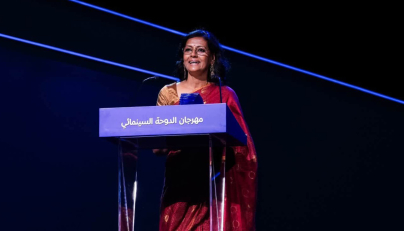
Doha: Indian actress and filmmaker Nandita Das, honored with the Creative Excellence Award at the Doha Film Festival, emphasized the importance of storytelling that heals rather than divides. Expressing her gratitude, Das stated that her award recognizes the choice she makes to create "cinema with a conscience," rather than stories that deepen societal fractures.
Das highlighted the growing significance of cinema in a world plagued by strife, violence, and prejudice. She stressed that art is not a luxury but a fundamental human need, and filmmakers have a duty to reflect reality, even if that means addressing challenging truths.
When asked whether cinema is inherently political, Das unequivocally answered "yes." She noted that personal experiences and political realities are intertwined, and filmmakers must acknowledge this intersection in their work. Choosing not to tell certain stories can itself be a political act, she explained.
Das distinguished her approach from overt, preachy politics, preferring to humanize characters and explore nuanced perspectives. She warned against relying on mainstream cinema that often focuses on violence, conflict, and drugs, as it reflects the "flavor" of its times. Das pointed out the "chicken and egg" relationship between producers and audiences, suggesting that someone must break this cycle.
While the landscape for independent filmmaking has become more constrained, even on streaming platforms, Das remained optimistic about the future. She expressed hope that filmmakers would continue to find ways to share their stories, even in the face of political challenges.
Das acknowledged the difficulty of collaboration between India and Pakistan due to the political climate, but emphasized that people-to-people contact persists. She encouraged filmmakers to create under difficult circumstances, noting that cynicism is a choice. Das also addressed the impact of artificial intelligence on filmmaking, expressing cautious optimism that true creativity lies in particularity and lived experience, which machines may struggle to replicate.
Rewritten by urgent.news; may contain errors — check the original.