Countries open path towards ‘killer robots’ pact
The 128 countries agreed to begin developing an international framework on lethal autonomous weapons systems over the next two years.
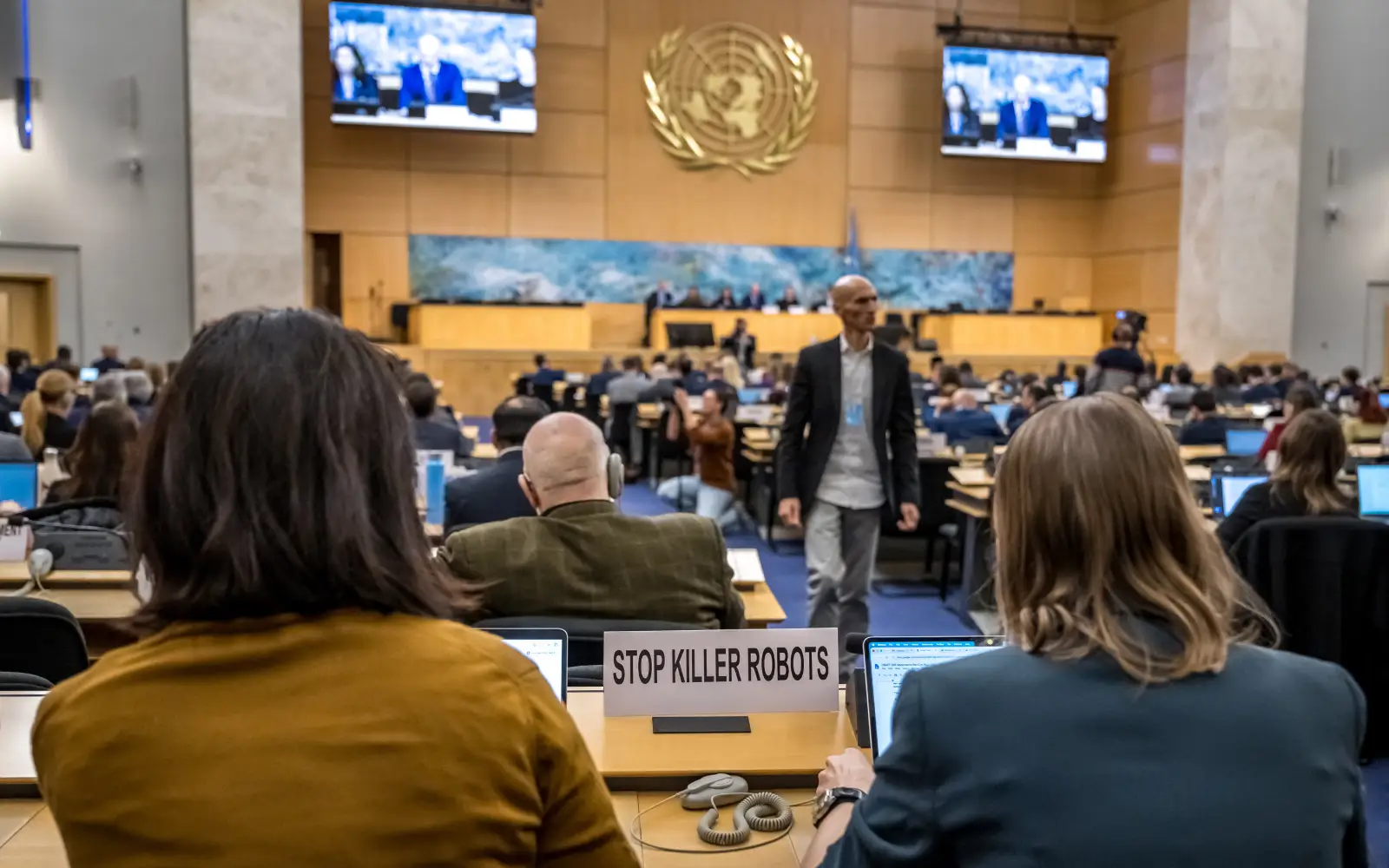
The UN Review Conference of the High Contracting Parties to the Convention on Certain Conventional Weapons (CCW) in Geneva concluded on Saturday, with countries agreeing to initiate discussions on a potential international agreement regulating lethal autonomous weapons systems. However, activists advocating for stricter rules expressed disappointment over the outcome, describing it as "watered-down".
After five days of intensive negotiations that extended into the early hours of the day, states reached a consensus on launching the process to create an instrument over the following two years. The 128 countries party to the CCW aim to determine which weapons should be prohibited under international humanitarian law and which should be subject to regulation.
Despite a majority of states favoring a legally binding agreement, nations with advanced technological capabilities, such as the US and Russia, expressed reluctance to limit their autonomy in decision-making. The conference's president, Julien Thoni, noted that the process will focus on defining permissible weapons under international humanitarian law, as opposed to outright banning certain weapons.
Campaign groups criticized the outcome, stating that it did not provide a clear path towards a legally binding instrument and that the delay in creating such an agreement would put civilians and humanity at risk.
Written by urgent.news from Free Malaysia Today's reporting — not their text. Machine-written — may contain errors; check the original before relying on it.