China commits to low-carbon electrification and help for others to improve
Exclusive: Countries at Cop31 are being urged to commit to deriving 35% of their energy from electricity by 2035 Cop31 live – latest updates China is pushing for rapid electrification of its economy using low-carbon energy and will help other countries do the same, a senior member of the Chinese delegation at the Cop31 UN climate summit has said. Wang Yi, a professor of energy and environment…

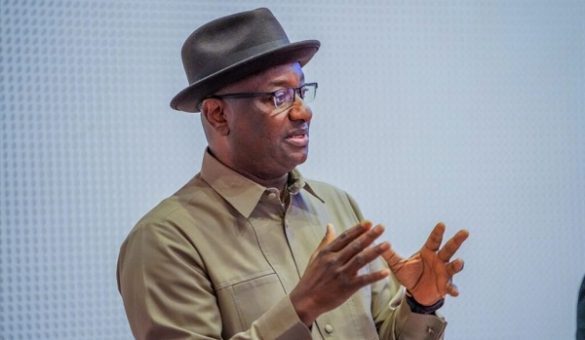
China has committed to rapidly electrifying its economy using low-carbon energy sources and is offering assistance to other nations in achieving the same goal, according to a senior member of China's delegation at Cop31. Wang Yi, an expert in energy and environment policy, stated that "end-use electrification" is a clear direction for China to follow while ensuring clean sources of electricity.
China, the world's largest emitter of greenhouse gases, is significant in this push for electrification, which accounts for more than a quarter of global emissions. At Cop31, countries are being asked to commit to deriving 35% of their final energy consumption from electricity by 2035. While Australia and Turkey have pushed for this target, China's version of the pledge is downgraded in the second draft of the outcome text, making it a voluntary option for countries to consider.
Wang emphasized that China will do its best to realize clean end-use electrification and help other countries improve, noting that China has significantly reduced the cost of clean technologies and is willing to share its experiences with others. Experts believe that electrification is crucial for transitioning to a low-carbon economy, as it can help reduce the reliance on fossil fuels in sectors like transportation, heating, and industry.
However, some campaigners argue that allowing individual countries to decide on their electrification targets risks leaving open the possibility of more gas-fired power plants. In response, Wang acknowledged the challenges in meeting the 2035 target if it required entirely clean energy sources, but noted that it would be even more difficult for other countries to achieve.
He added that China would still use coal-fired power stations for backup during the transition to clean energy. One of the main issues at Cop31 is the "transition away from fossil fuels," which was included in the first draft of the outcome text but removed in the second draft. Wang stated that while China agrees with the resolution, different countries have different roadmaps, and it may be difficult to establish a unified global roadmap.
The negotiations at Cop31 were delayed, and a new draft text of the "cover decision" is not expected until Saturday morning, with the talks potentially extending beyond that date.
Rewritten by urgent.news; may contain errors — check the original.