CAA’s Bryan Lourd Urges Congress To Pass AI Legislation To Protect Americans “Famous Or Not”
CAA chief Bryan Lourd is urging the full Congress to pass the No Fakes Act and deliver it to President Trump for signature, a move Lourd says would protect everyone, famous or not, from nonconsensual digital replicas of their voices and likenesses. In a guest essay published in today’s New York Times, Lourd writes, “The […]
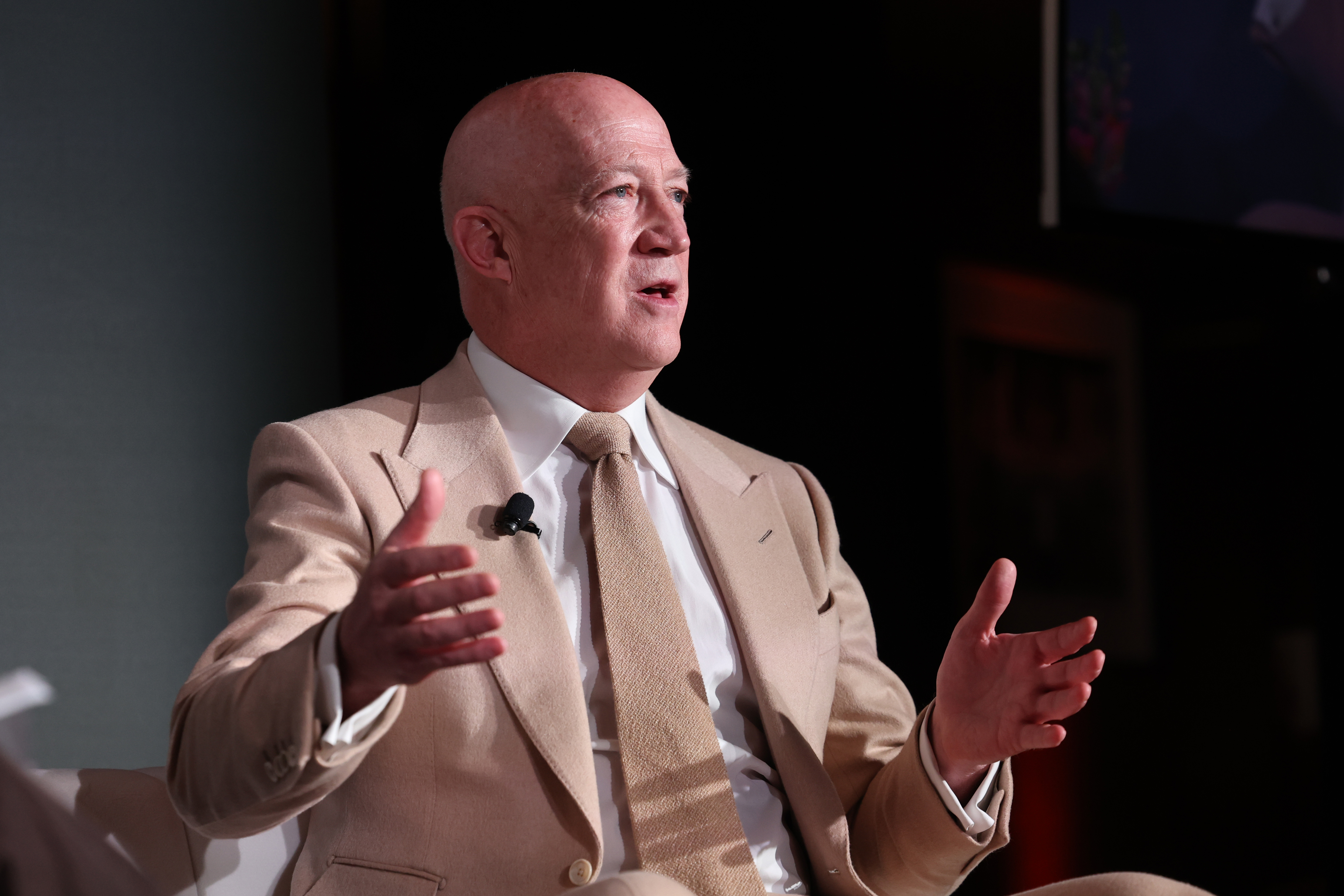
Creative Artists Agency CEO Bryan Lourd is advocating for federal legislation, the NO FAKES Act, to safeguard individuals' voices and likenesses from unauthorized artificial intelligence replicas. In a New York Times opinion piece, Lourd argues that existing copyright and licensing principles should apply to the AI era. The bill aims to establish federal protections against the creation and distribution of unauthorized digital replicas, allowing individuals to control and consent to the use of their digital identities.
Lourd cites instances of AI impersonation, such as a dental ad featuring a younger Tom Hanks and a content creator's likeness used in erectile dysfunction advertisements. These cases highlight the growing concern within the entertainment industry, as generative AI makes it easier to reproduce someone's appearance, voice, and performance.
Lourd contends that the solution doesn't require a new legal framework but rather the application of existing principles governing copyright, contracts, and licensing, with federal lawmakers setting consistent standards. The NO FAKES ACT framework centers on control, consent, and compensation, empowering individuals to authorize or reject the use of their digital likenesses and requiring companies to negotiate and pay for authorized commercial uses.
The proposed legislation has garnered support from various organizations, including SAG-AFTRA, the Motion Picture Association, IBM, Google, and OpenAI. Lourd distinguishes between opposing AI and opposing its unauthorized use, emphasizing that artists are already collaborating with AI companies through voluntary licensing agreements.
He frames the issue as one of permission rather than technological advancement, drawing parallels to the entertainment industry's past transitions, such as the expansion of copyright protections with new media forms. Lourd urges Congress to establish a basic rule: just because someone can digitally recreate a person doesn't mean they have the right to do so.
Rewritten by urgent.news; may contain errors — check the original.
This story
This is one outlet's version. Read the fullest account.