Britain’s New Russia Sanctions Show Ukraine Has Not Been Abandoned at the Negotiating Table
Britain’s latest sanctions, unveiled on Nov. 12 as European leaders met in Dublin, make it the first country to directly sanction all 10 of Russia’s largest oil producers, the government says. Stepan Stepanenko argues the measures are imperfect but important: they signal that peace talks will not hand Russia a free pass on oil, and that enforcement – not an ever-longer list of names – is what…

Britain's recent sanctions against Russia, announced during European talks in Dublin, signal that peace negotiations cannot be seen as an open invitation for unrestricted Russian oil sales. On November 12, the UK designated Slavneft and Rosneft's Arctic Vostok Oil project, along with energy-related interests, making it the first nation to sanction all 10 of Russia's largest oil producers.
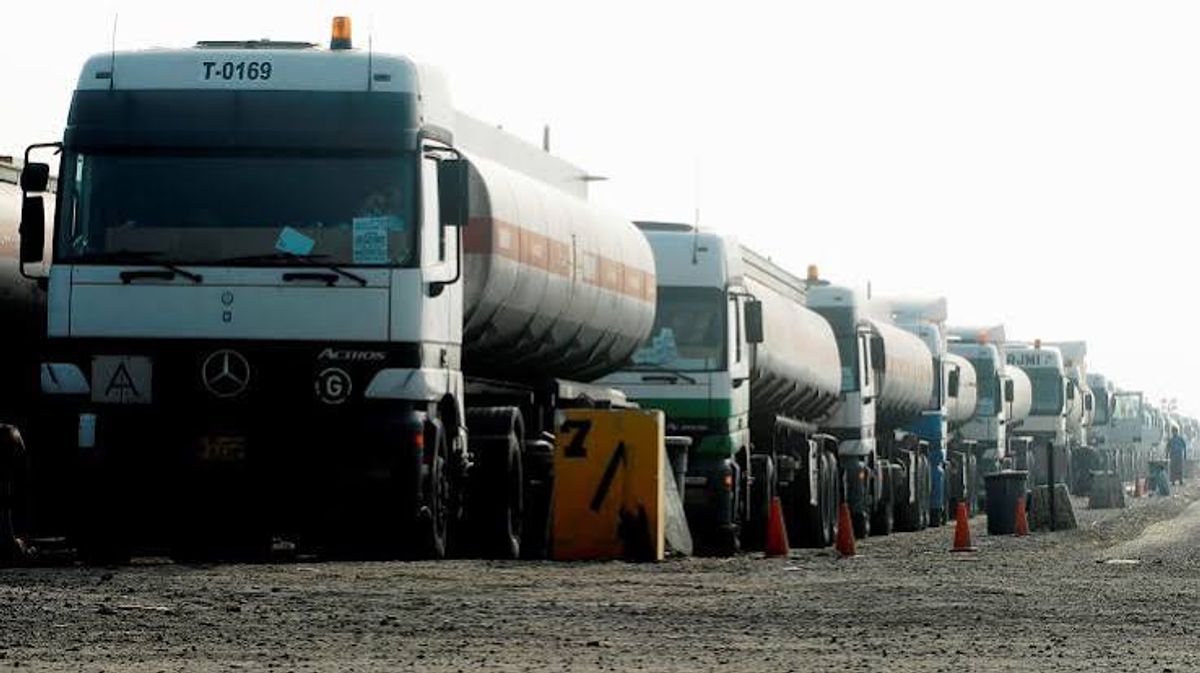
This move sends a clear message that financial pressure on Russia must accompany negotiations, rather than being a mere abstract concept. However, the sanctions alone will not cripple Russia, as it has already developed workarounds. For instance, 60 percent of Russia's oil shipments in October passed through sanctioned tankers. The true impact lies in the enforcement of these sanctions, which can cost Moscow billions.
The Centre for Research on Energy and Clean Air estimates that a properly enforced oil price cap could have deprived Russia of €3.4 billion in seaborne oil revenues alone in October. The new sanctions also target the shipping and trading networks that keep Russian oil moving, aiming to close gaps in the supply chain. While China and India remain significant buyers of Russian energy, Britain and Europe continue to purchase Russian gas.
Washington has even authorized certain Russian-origin diesel transactions, though no deliveries have reached American buyers by November 12. The UK retains certain exceptions for diesel and jet-fuel imports refined abroad from Russian crude until January. President Zelensky cannot accept an agreement that rewards Russia economically while Ukraine receives only promises.
A ceasefire rewarding coercion without security guarantees would lead to another crisis. Britain's tighter restrictions at a time when premature relaxation could undermine negotiations emphasize that peace talks should not be a sale of the aggressor's obligations. Effective sanctions should send oil prices soaring without enriching Russia, and the West must maintain alternative supplies.
For Ukraine, sanctions must be a source of real leverage, not just a diplomatic display. Britain's announcement is a step in the right direction, but it must be followed by scrutiny of traders and financiers outside British jurisdiction and closer alignment with allies. The true measure of solidarity is how much Russian revenue these measures deny Moscow.
Ministers must publish this evidence, pursue evasion, and ensure the pressure remains even when negotiations become politically convenient.
Rewritten by urgent.news; may contain errors — check the original.