Biryani cooking tips: Why birista cannot be replaced with caramelised onions
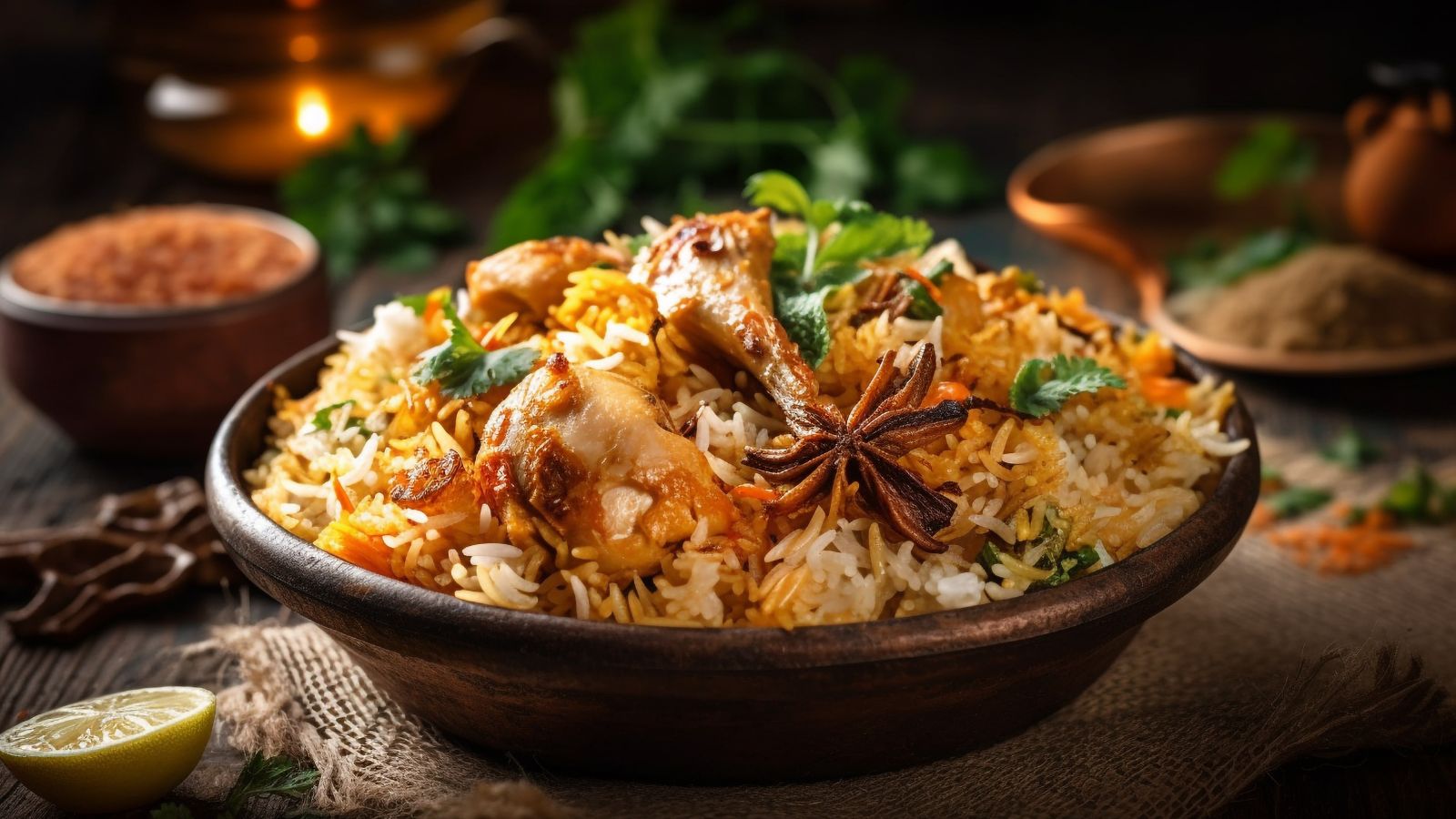
Onions may appear straightforward, but their preparation greatly impacts the outcome of a dish as intricate as biryani. Although caramelised onions and birista are occasionally mistaken for one another, they vary in cooking techniques, textures, and flavors, particularly when it comes to crafting the true taste and texture of a quality biryani.
Chef Sandeep Panwar clarifies that caramelised onions are slowly cooked at low heat until they become soft and turn into a deep golden-brown color. They possess an almost jam-like consistency and a strong sweetness, making them ideal for gravies, soups, sauces, and other dishes that benefit from their rich, sweet taste. However, birista is created by thinly slicing onions and deep-frying them until they achieve a golden brown and crispy texture.
Panwar notes that birista, which is prevalent in Indian and Mughlai cuisines, brings both sweetness and crunch with a delightful aroma to the dish.
Birista's role in biryani is not merely ornamental. It significantly contributes to the dish's distinctive aroma, enhances its flavor, and imparts a subtle sweetness. According to Panwar, birista is strategically placed between the layers of rice and meat, allowing its flavor to meld with the other components as the biryani cooks.
This cannot be substituted with caramelised onions, as they might introduce excessive moisture and alter the dish's consistency. Panwar emphasizes that while caramelised onions can be beneficial in various culinary scenarios, they cannot replicate the crispiness of birista prepared correctly. A well-crafted biryani comprises the perfect blend of its ingredients.
While caramelised onions undoubtedly have a role in numerous recipes, properly prepared birista offers the signature fried-onion aroma, sweetness, and texture that make it an essential component in biryani.
Rewritten by urgent.news; may contain errors — check the original.