Bank of Ghana is ready to adopt ECO currency – Governor
Dr Johnson Pandit Asiama, Governor of the Bank of Ghana (BoG), says the Central Bank is ready to adopt the ECO, a proposed regional currency designed to reduce cross-border payment costs and reliance on external currencies such as the US dollar and the euro. The post Bank of Ghana is ready to adopt ECO currency – Governor appeared first on Ghana Business News .
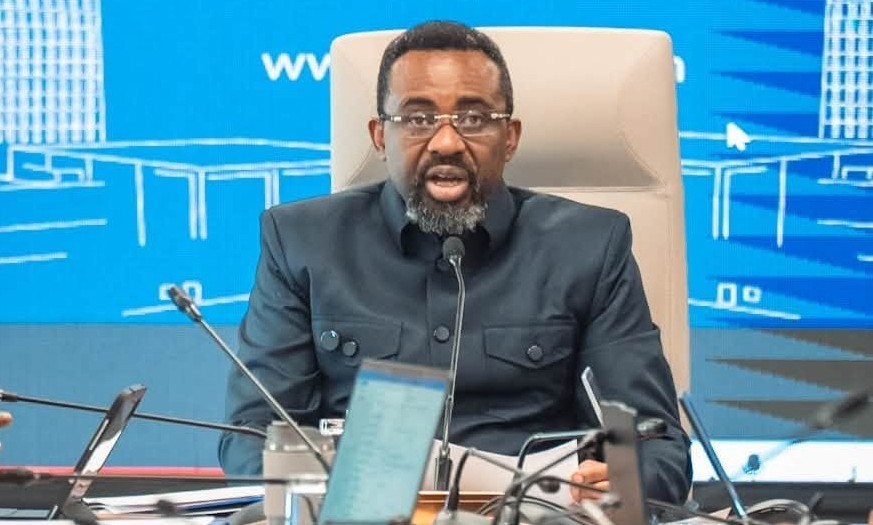
Dr. Johnson Pandit Asiama, Governor of the Bank of Ghana (BoG), revealed to reporters that the Central Bank is prepared to embrace the ECO, a proposed regional currency aimed at reducing cross-border payment costs and dependence on foreign currencies like the US dollar and the euro. The common currency is expected to be phased in starting July 2027, following a series of postponements from its initial targets of 2003, 2015, and 2020.
During a recent speech at the West African Integration and Investment Summit (WAIIS) in Freetown, Sierra Leone, President John Dramani Mahama proposed a gradual adoption approach, allowing countries that meet the convergence criteria to adopt the ECO. In response to inquiries about the BoG's readiness for ECO adoption, Dr. Asiama affirmed that the Bank is prepared, adding that preparations for the currency's implementation are currently underway.
He further highlighted the importance of resolving outstanding concerns and emphasized the need for proper logistical arrangements and compliance with the convergence criteria.
Dr. Asiama identified logistical preparations and other member countries' adherence to the convergence criteria as crucial factors for Ghana's adoption of the regional common currency. The 10 convergence criteria, encompassing four primary and six secondary criteria, must be met for adoption. The primary criteria demand that participating nations maintain inflation rates below five percent, fiscal deficits under three percent of GDP, central bank deficit financing at no more than ten percent of the previous year's tax revenue, and foreign reserves sufficient to cover more than three months of imports.
The six secondary criteria include public debt not exceeding 70 percent of GDP, positive real interest rates, exchange rate fluctuations within 15 percent, tax revenue at approximately 20 percent of GDP, capital expenditure of at least 20 percent of domestic revenue, and a wage bill of about 35 percent of tax revenue.
With the withdrawal of the Alliance of Sahel States (AES) bloc, ECOWAS now consists of 12 member countries: Benin, Cabo Verde, Côte d'Ivoire, The Gambia, Ghana, Guinea, Guinea-Bissau, Liberia, Nigeria, Senegal, Sierra Leone, and Togo. West Africa boasts a market of over 450 million people, a regional economic growth rate of 4.7 percent, and an investment pipeline exceeding $180 billion across four strategic pillars, providing a solid economic foundation for the proposed ECO adoption.
In 2025, during the 11th meeting of the ECOWAS Convergence Council, finance ministers and central bank governors of ECOWAS member states recommended maintaining the 2027 adoption target. They also emphasized the need for stricter monetary and fiscal discipline, as well as advancements in the legal and practical arrangements required for the ECO adoption, to enhance regional economic integration and financial stability.
Rewritten by urgent.news; may contain errors — check the original.