Atmanirbhar Bharat can’t be built by underpaying workers
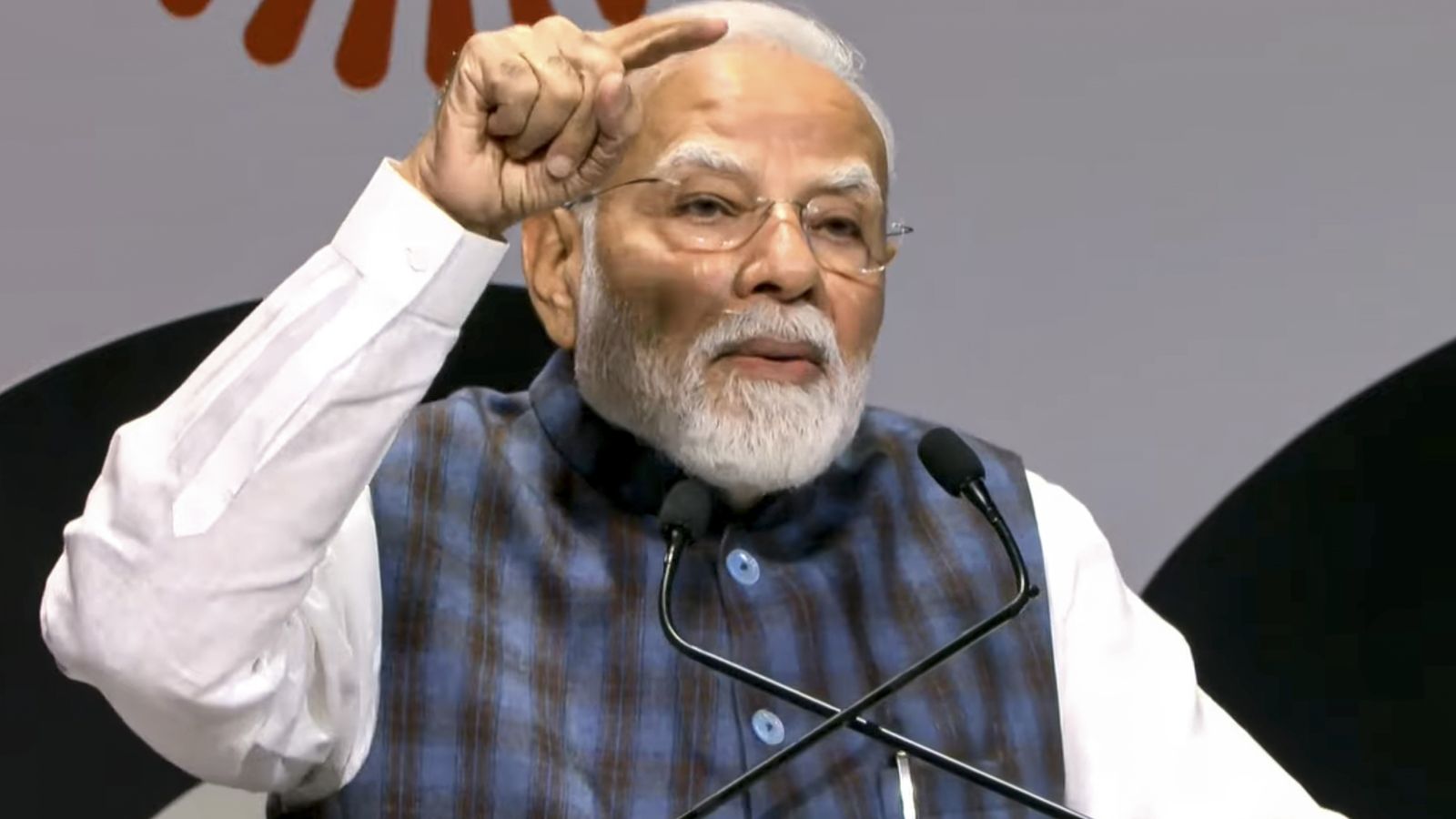
Narendra Modi recently challenged industry leaders at the FICCI annual general meeting to justify why they haven't increased employees' salaries despite income tax relief measures. This question highlights an important issue - India's growth strategy has often focused on suppressing wages rather than fueling them as a means of consumption.
A fundamental principle of economics is that workers are also consumers, and their disposable income drives GDP growth. However, India's average manufacturing wage remains significantly lower compared to its competitors, with workers earning between $140 and $160 (Rs 11,500-Rs 13,500) per month while their counterparts in Vietnam earn $210-$240 (Rs 17,500-Rs 20,000).
Despite decades of tax cuts and ease-of-doing-business reforms, India's real wages have barely grown at 0.01 per cent over the past five years, with some regions even experiencing a decline. This wage disparity is not just a social injustice but also a productivity killer, leading to high attrition rates and industrial unrest. The Modi government recognizes the need to address this issue, as evidenced by its commitment to a "kaamgaar-centric" economy building.
The implementation of the Labour Codes is a significant step towards improving wages and social security for workers. By investing in better pay scales, India can create a blue-collar middle class that will contribute to a more prosperous and self-reliant future.
Written by urgent.news from The Indian Express's reporting — not their text. Machine-written — may contain errors; check the original before relying on it.