Analysis-Myanmar’s Rohingya win landmark genocide ruling, but return home remains distant
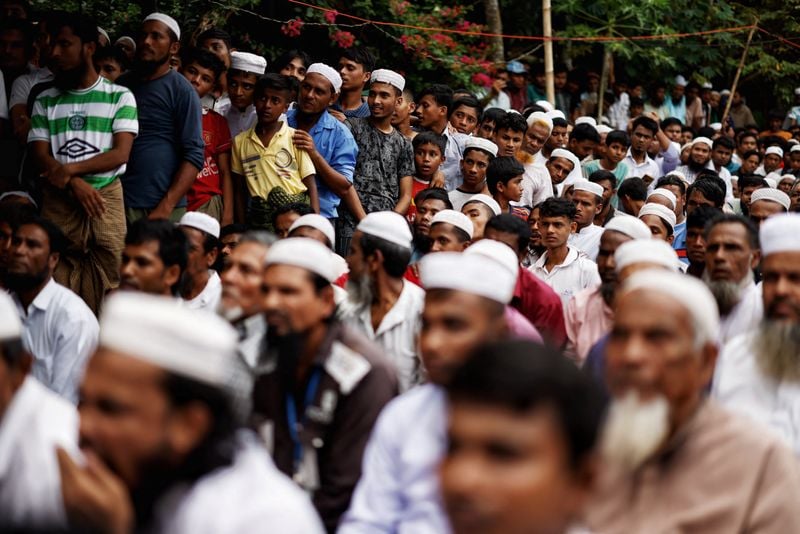
Cox’s Bazaar, Bangladesh, Nov 20 (Reuters) – Thousands of Rohingya refugees in sprawling camps in Bangladesh celebrated a landmark UN ruling on Thursday that Myanmar committed genocide against the Muslim minority during a 2017 military campaign. However, the verdict may not bring the 1.2 million Rohingya living in southeastern Bangladesh closer to returning to their Buddhist-majority homeland, where a civil war has persisted since a 2021 coup.
For Bangladesh, grappling with the massive Rohingya population and dwindling international aid, the judgment could be a catalyst for their repatriation. While the foreign ministry stated that repatriation "remains the only viable solution to the crisis," it could be years before it happens, with Bangladesh planning to pressure international agencies for a safe passage within 1-1.5 years.
Myanmar's government, facing accusations of mass atrocities, is unlikely to embrace repatriation. Analysts say the likelihood of safe return remains low due to the ongoing civil war. The Arakan Army, a powerful rebel group, seized control of most of Rakhine State, the area where most refugees would return, and holds no public position on the ICJ verdict.
Written by urgent.news from Investing.com's reporting — not their text. Machine-written — may contain errors; check the original before relying on it.
This story
This is one outlet's version. Read the fullest account.