YTL Power denies links to Nvidia GPU allegations
Azanis Shahila Aman
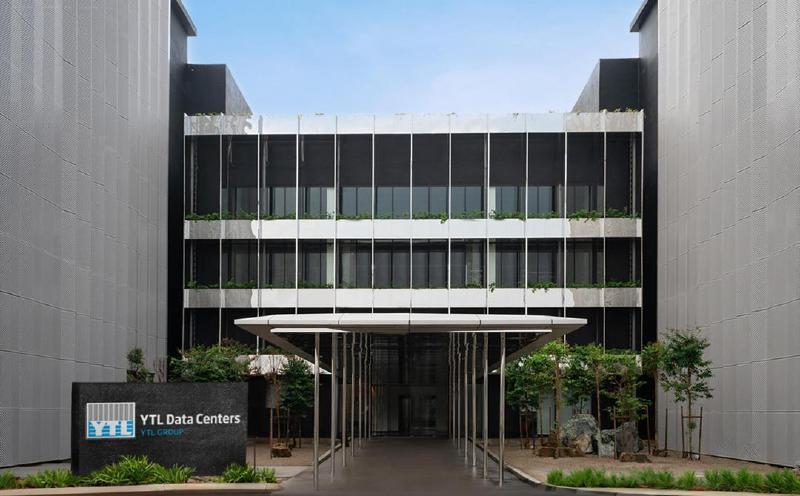
YTL Power International Bhd has firmly denied claims that its Johor data centres are involved in the alleged transfer of Nvidia graphics processing units (GPUs) to Chinese customers. According to the company, the reports are speculative and untrue. YTL Power clarified that its subsidiary, YTL Data Centers, offers co-location services, providing space, power, cooling, and connectivity to a multitude of global clients, including prominent US hyperscalers.
The group emphasized that these operations adhere to Malaysian laws and US trade controls. They also highlighted their close collaboration with the Investment, Trade and Industry Ministry and their adherence to all necessary reporting and import requirements.
The company's response comes as there has been increased scrutiny on the utilization of US-made advanced semiconductors, particularly Nvidia GPUs, in overseas data centres. There are concerns that computing capacity in such third-country data centres could be remotely accessed by Chinese entities. On November 19, the US Commerce Department's Bureau of Industry and Security introduced an interim final rule aimed at preventing companies from countries of concern, such as China, from accessing substantial volumes of advanced computing power through data centres located overseas.
This regulation imposes licensing requirements on specific advanced semiconductor exports to Malaysia, Indonesia, Singapore, Thailand, and Brazil. Moreover, it targets overseas data centres that supply considerable computing capacity to entities headquartered in China or other restricted locations.
YTL Power clarified that the recent regulations do not impact its co-location services, as the cited provisions predominantly concern semiconductor importers and providers of computing services to customers in restricted destinations. The company expressed confidence that the demand for co-location data centre infrastructure in Malaysia will continue to grow, buoyed by robust global demand, including from US customers.
Written by urgent.news from New Straits Times's reporting — not their text. Machine-written — may contain errors; check the original before relying on it.