You tell AI everything. But who else is listening?
The meteoric fall of Nvidia's Jensen Huang , following controversy over his personal relationships and US national security, has raised questions about judgement, trust and the people leading the world's most powerful technology companies. But it also prompts a broader question. How much do we really know about the people behind the technologies we increasingly trust with our information? And how…

Jensen Huang, the head of Nvidia, experienced a dramatic decline in his career following controversy surrounding his personal life and US national security concerns. This event has sparked a broader inquiry into the people who lead the world's most influential technology companies and the extent of their judgment, trustworthiness, and privacy measures.
The escalating reliance on artificial intelligence (AI) platforms for personal and professional matters raises concerns about the privacy and security of the sensitive information shared with these systems.
AI is often relied upon to provide personalized medical advice, provide therapeutic insights, and assist in professional dilemmas. People entrust these intelligent systems with confidential business material, research data, and personal information. However, the question remains: how much of this information is truly private, and who has access to it?
Once the information is entered into a cloud-based AI platform, it travels to the provider's computing infrastructure or that of their partners. The data undergoes processing, which may include automated systems, human reviewers, and improvements to AI models. While companies are transparent about their use of user data, it's crucial to understand that even seemingly private conversations can be accessible to employers, third-party service providers, and external reviewers.
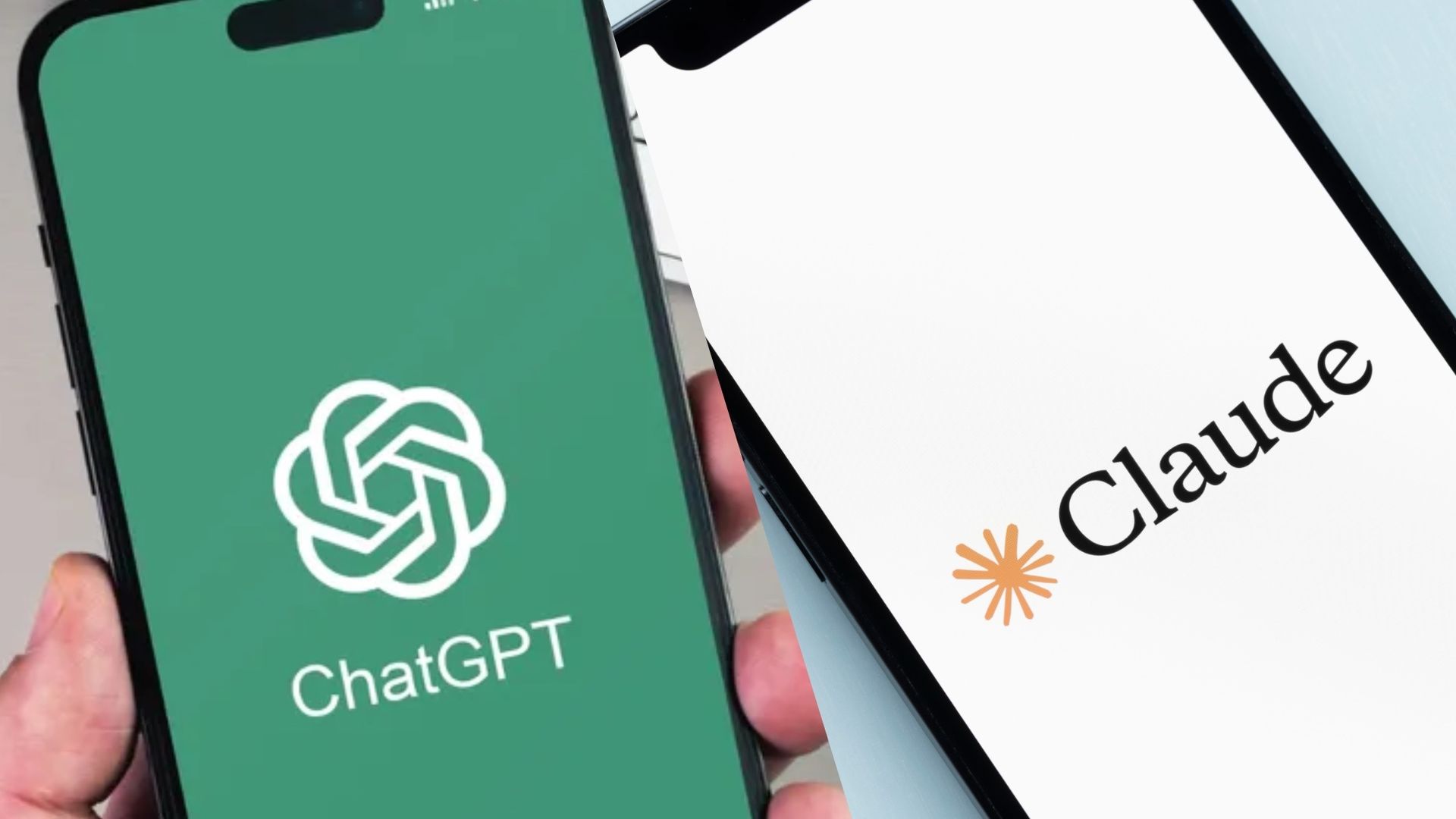
Encryption generally protects AI conversations from employers over office Wi-Fi, but workplace monitoring software and managed accounts can expose more information. Users must be aware that even their personal AI accounts may not provide the complete privacy they assume. Companies like OpenAI, Google, and Anthropic have policies in place that permit access to consumer conversations for safety investigations, technical support, legal matters, and model improvement.
Moreover, the risk of data breaches is not limited to large corporations. Smaller organizations, including cryptocurrency exchanges, can also fall victim to compromised devices and internal AI tools. The recent Binance hack, where attackers exploited these vulnerabilities, serves as a stark reminder of the potential consequences of lax privacy measures.
Individuals have legal rights to access, correct, and delete their personal data, but these rights may not be absolute in the context of AI systems. The UAE's Personal Data Protection Law and the General Data Protection Regulation offer some protection, but complete control over the information shared with AI platforms remains elusive. As AI continues to play an increasingly significant role in our daily lives, understanding the complex privacy landscape is essential to safeguarding our personal information.
Written by urgent.news from The National Business's reporting — not their text. Machine-written — may contain errors; check the original before relying on it.