World Toilet Day: From 29% to 79%: How Upper West turned the tide against open defecation
Over a decade ago, the proportion of communities declared Open Defecation Free (ODF) in the Upper West Region stood at about 29 per cent.
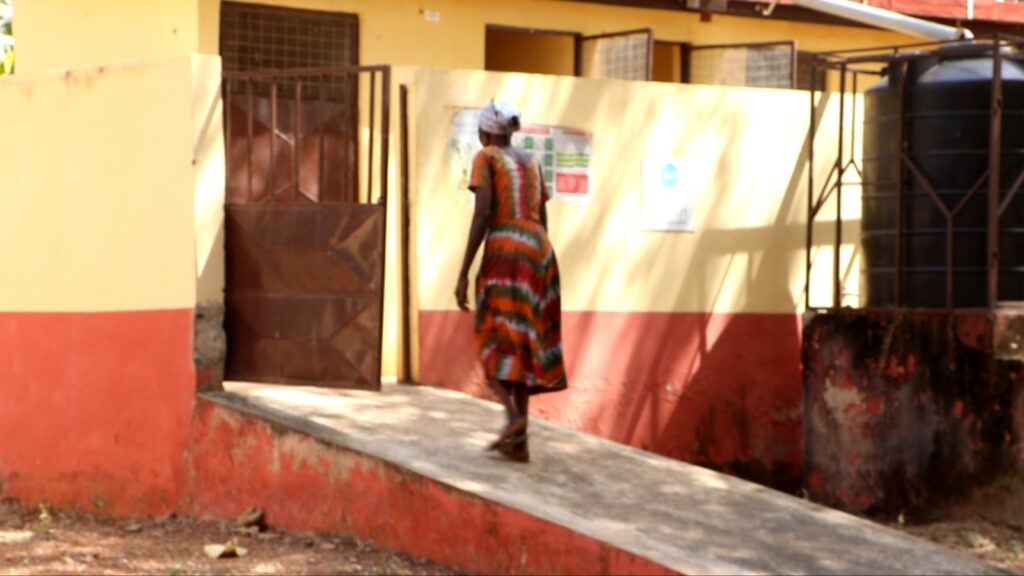
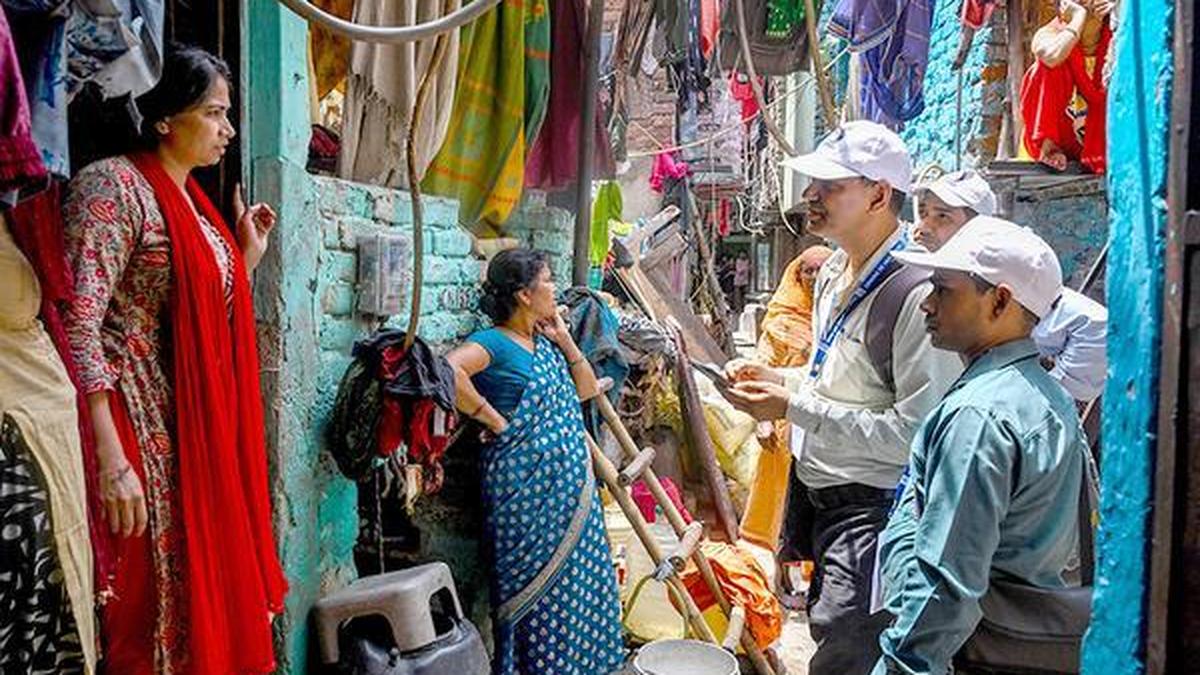
On World Toilet Day 2026, the Upper West Region of Ghana made headlines with a remarkable transformation. A region once struggling with open defecation, the Upper West now boasts 79% of communities declared Open Defecation Free (ODF). Over a decade ago, only 29% of communities met this standard, leaving many without access to toilets at home, school, or healthcare facilities. For women and girls, the consequences were dire, with dangerous and shameful trips to remote locations becoming a daily struggle.
However, this narrative has changed dramatically. Nandom Municipal Director of Social Welfare, Naa Biligio S. Enock, addressed the importance of accessible sanitation, emphasizing that it should be equally available to everyone, regardless of gender, age, disability, social or economic status, or geographical location. He stated that a safe toilet is not merely a sanitation facility; it is a means of protection against disease, a safeguard for human dignity, and a way to promote privacy and security.
The Upper West Regional Director of Environmental Health, Freda Naatu, echoed this sentiment, highlighting that safe toilets are crucial for the health and dignity of women and girls. The transformation in the Upper West Region serves as a powerful testament to the impact of improved access to sanitation, inspiring hope for a future where open defecation is no longer a reality for any community in Ghana.
Written by urgent.news from MyJoyOnline Ghana's reporting — not their text. Machine-written — may contain errors; check the original before relying on it.
This story
This is one outlet's version. Read the fullest account.