Women in high public office doesn’t mean equality throughout society: Justice Nagarathna
The Supreme Court judge says a woman may hold a senior position while other women remain excluded from education, employment, property, or effective legal remedies
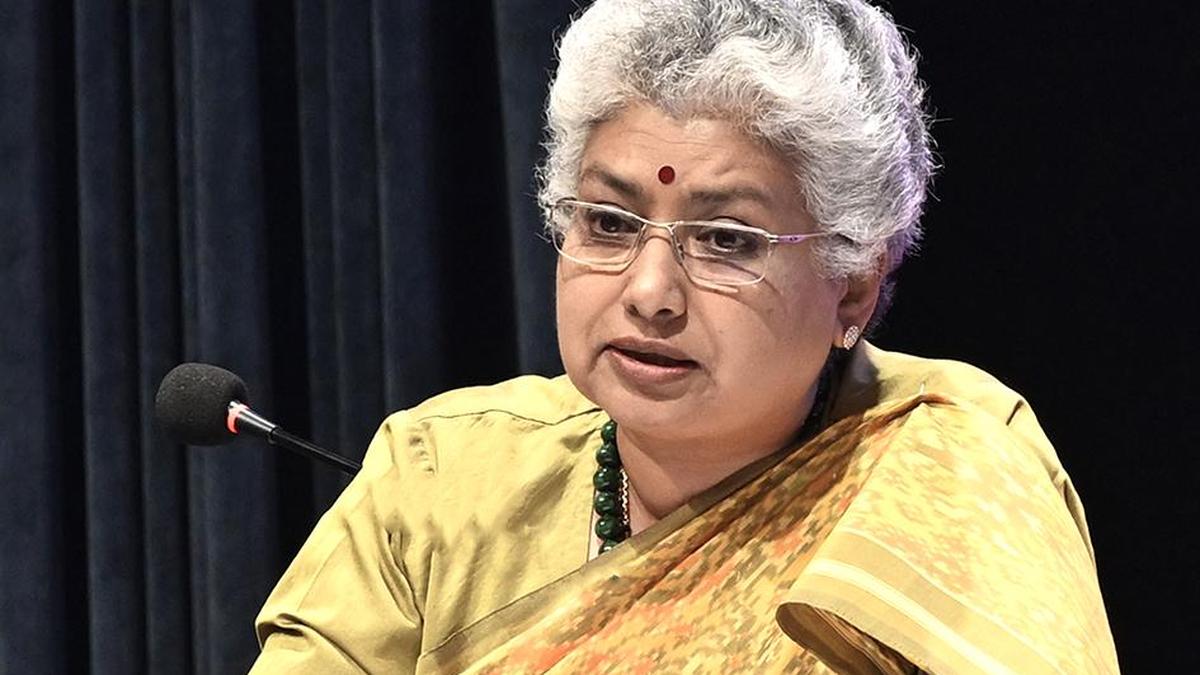
Justice B.V. Nagarathna, a senior Supreme Court judge and a potential Chief Justice of India, has emphasized that the presence of women in high public office does not guarantee equality throughout society. Speaking at the Cornelia Sorabji Memorial Lecture at Oxford University, the judge highlighted that women may occupy senior positions while others continue to face barriers in education, employment, property rights, and access to legal remedies.
"Equality must be substantive and sensitive to diverse experiences," Nagarathna asserted. She clarified that a judicial decision cannot alone ensure workplace safety, education for girls, lawful inheritance for women, or timely protection from domestic violence. Legislative measures are insufficient if remedies are inaccessible, authorities fail to act, or societal attitudes obstruct women from asserting their rights.
Nagarathna praised the Constitutional amendment granting one-third seats in Parliament and state legislatures, but pointed out that this formal equality does not automatically translate into meaningful representation. She noted that Indian women's rights progress cannot be measured by the number of discriminatory provisions overturned or the enactment of beneficial laws.
Instead, she emphasized the need for recognition of violence against women as a constitutional violation, yet the reality shows that women often hesitate to seek legal protection due to fear of stigma, retaliation, or economic insecurity.
Highlighting the underlying issue, Nagarathna drew attention to the disproportionate burden of unpaid domestic and care work on women, which continues to shape their decisions and opportunities. She stressed that equality must recognize the varied experiences of women, considering factors like caste, class, disability, religion, region, and economic status. "Formal uniformity cannot address intersecting structural disadvantages," she concluded.
Written by urgent.news from The Hindu's reporting — not their text. Machine-written — may contain errors; check the original before relying on it.