Wirtschaftspolitik: BDI fordert Resilienzpolitik aus einem Guss: Wirtschaftssicherheit soll Chefsache werden
Der Industrieverband fordert, Resilienzpolitik zur Chefsache im Kanzleramt zu machen. Außerdem soll die Zusammenarbeit zwischen Staat und Unternehmen gestärkt werden.
The German Economic Chamber (BDI) has called for an integrated resilience policy, aiming to make economic security a top priority for business leaders. The concept of resilience refers to a country's ability to withstand crises, external shocks, and structural changes, while quickly adapting and maintaining its economic capacity over the long term. However, the BDI argues that the term has been overused, hampering efforts to strengthen the resilience of the German economy.
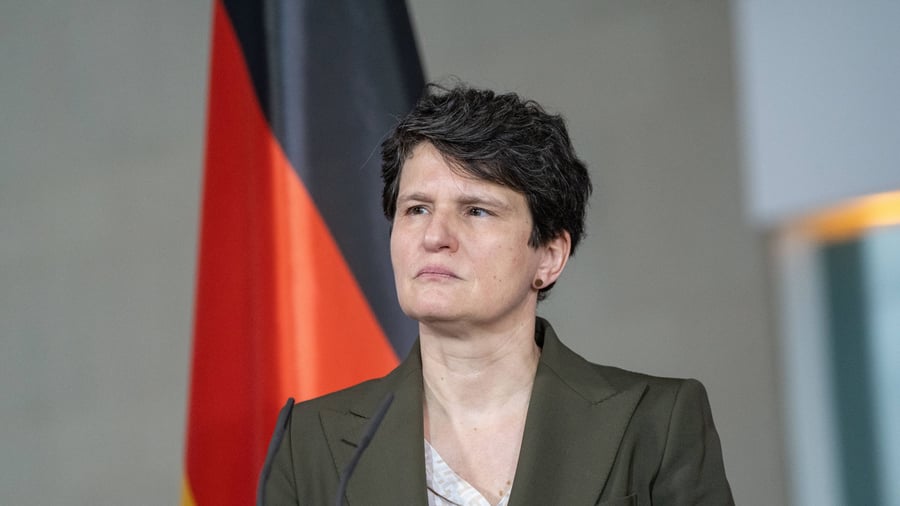
BDI President Tanja Gönner emphasizes the need for a central point of coordination, suggesting that the Chancellor's Office could serve as a hub to bundle these efforts. She stresses that no one's responsibilities should be taken away, but rather a unified framework should be established. The BDI also proposes setting up a "Resilience Budget" within the federal budget, arguing that departments currently create their own budget lines for resilience initiatives, which are often poorly coordinated and ineffective.
Klaus Deutsch, BDI Chief Economist, highlights the lack of clarity in Parliament regarding the availability of resources for resilience initiatives. He advocates for a consolidated approach, where various ministries can access shared resources based on predetermined priorities. The BDI further recommends stronger collaboration between the state and industry, with the government creating a comprehensive situational awareness, setting strategic priorities, and establishing reliable political and financial frameworks.
In return, businesses would share their vulnerabilities, adaptation processes, and investment barriers in ongoing, confidential dialogue with policymakers. The goal is to better integrate state and private sector actions, break down critical dependencies, and collectively mitigate risks.
Written by urgent.news from Handelsblatt's reporting — not their text. Machine-written — may contain errors; check the original before relying on it.