Will demand for data centres continue growing amid the AI boom?
Data centres are being built at a breathtaking pace, and that expansion is set to continue – but for how much longer? Currently, rises in demand for computing power, fuelled by artificial intelligence, mean that data centre capacity worldwide is forecast to almost double by the end of the decade. According to the real estate and investment company JLL, total data centre capacity, currently about…
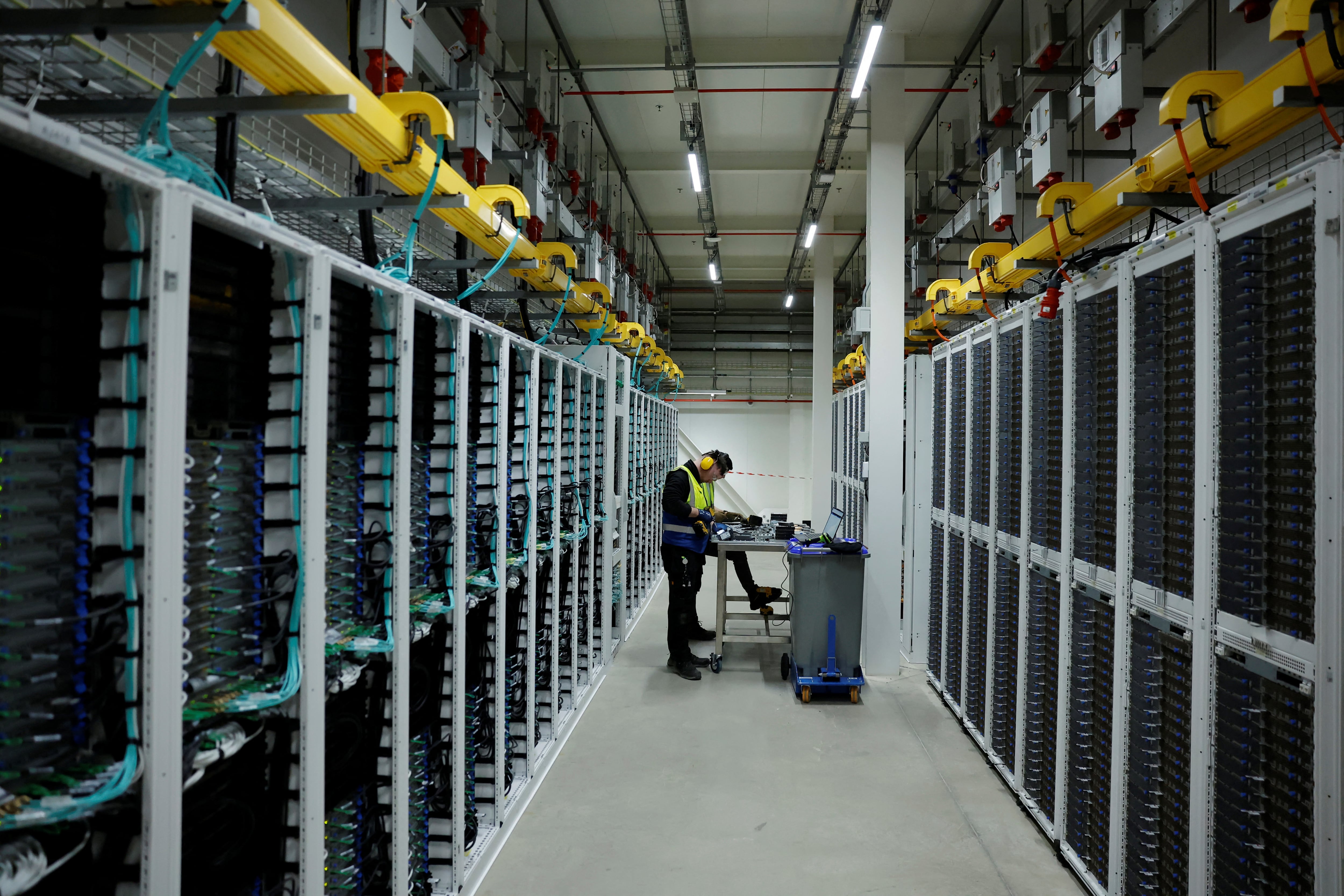
Data centres are expanding rapidly, driven by the growing demand for computing power fueled by artificial intelligence (AI). According to JLL, data centre capacity worldwide could nearly double to 200 gigawatts by 2030, putting pressure on nations' efforts to achieve net-zero carbon emissions. Data centres use about 1.5% of the world's electricity, with usage growing by around 12% per year.
The UAE is emerging as a key player in the industry, with plans for a 5GW campus in Abu Dhabi and investments from tech giants in the country and Saudi Arabia. However, the rapid growth of data centres raises concerns about their environmental impact, particularly their high power and water demands, which can harm natural habitats.
Dr Ahmad bin Thaneya, a civil engineering professor at NYU Abu Dhabi, is studying the UAE's data centres and their impact on energy demand and carbon emissions. He emphasizes that clean-electricity supply should grow alongside data centre demand. Efficiency gains have historically offset growth, but recent AI-driven demand has outpaced these gains.
Mark Daley, chief AI officer at Western University in Canada, predicts that demand will continue to increase over the next five years as operators seek to develop more intelligent AI models. However, Dr Raymond Khoury, a consultant at Arthur D Little, suggests that capacity saturation could be reached within the next decade, with more efficient models and specialized industry-level AI models reducing processing power requirements.
Written by urgent.news from The National Business's reporting — not their text. Machine-written — may contain errors; check the original before relying on it.