What historic Xi-Trump-Putin trilateral summit signals for global diplomacy
Unprecedented talks between the leaders of China, the US and Russia yielded political gains for all three, say analysts. But what could their closer cooperation mean for global stability and the balance of power?
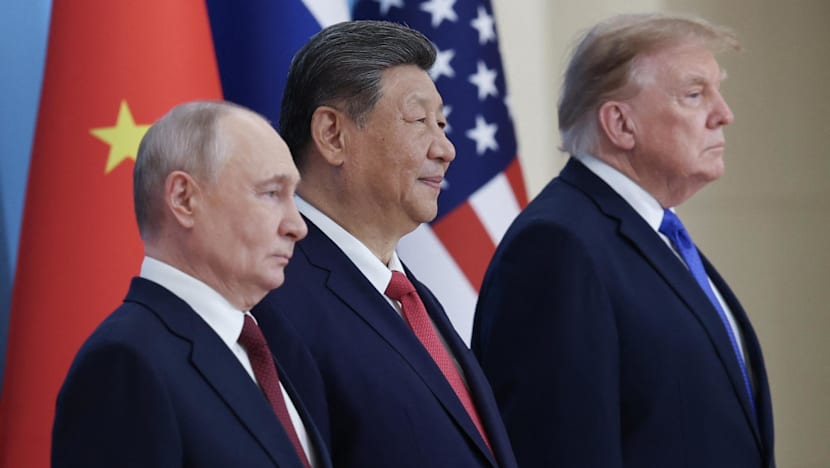
A trilateral summit involving China, the United States, and Russia produced political gains for all parties, but analysts warn turning the unprecedented diplomatic engagement into meaningful action will be difficult. On Nov 19, the presidents of China, the United States, and Russia met for 90 minutes at a lakeside resort in Shenzhen during the APEC summit.
Their joint declaration pledged talks on nuclear risks, energy cooperation, and United Nations reform, but no timeline or concrete mechanisms were offered. The summit showcased potential coordination among the three powers on global issues, ranging from conflicts in Ukraine and the Middle East to the Korean Peninsula and nuclear proliferation.
For China, the summit bolstered Xi Jinping's diplomatic prestige and positioned China as a power capable of bringing rivals together. President Donald Trump used the occasion to project himself as a powerful global leader, and Russian President Vladimir Putin enhanced Russia's diplomatic status, effectively ending its top-level isolation from the US.
The leaders committed to further talks on nuclear risks and respect for the immunities of state officials, with particular significance for Putin, who remains wanted by the ICC. However, the leaders did not commit to cuts in their nuclear arsenals or formal three-way arms-control negotiations. While the commitment to talks on nuclear security is positive, experts caution that translating top-level principles into detailed actions will be challenging.
Written by urgent.news from Channel News Asia's reporting — not their text. Machine-written — may contain errors; check the original before relying on it.