Warby Parker is betting its next chapter on smart glasses people actually want to wear
With growth slowing, the eyewear brand has partnered with Google on $395 AI glasses designed to look like ordinary frames, putting it head-to-head with Meta and Ray-Ban.
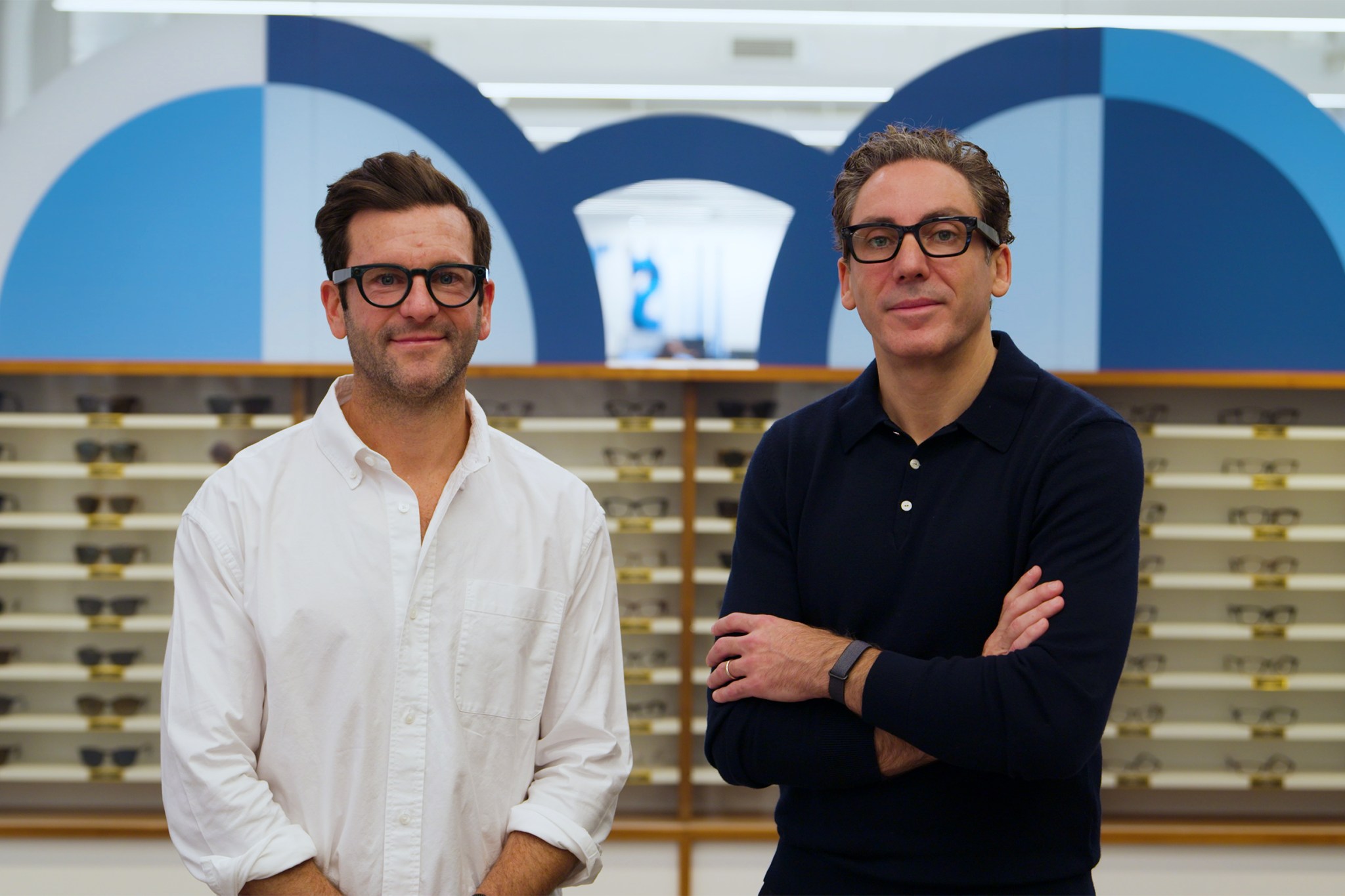
Warby Parker, a successful direct-to-consumer eyewear brand, is looking to diversify its business and is partnering with Google to introduce a new line of smart glasses. The glasses, which will be priced at $395 and launch on November 12, will be produced in collaboration with Samsung, which will provide the AI technology, including a high-resolution display inside one lens that can be controlled with a wristband or watch.
Warby Parker co-founder and co-CEO Neil Blumenthal believes that the fusion of form and function can be applied to this emerging category of eyewear, creating a product that is both stylish and technologically advanced.
The new glasses are set to enter a market dominated by Meta, which has already made significant inroads with its Ray-Ban smart glasses, which are designed and manufactured in partnership with EssilorLuxottica, the world's largest eyewear company. EssilorLuxottica sold 7 million AI-supported glasses last year, making Meta the clear leader in the smart glasses market.
Warby Parker's partnership with Google and Samsung aims to capitalize on the growing demand for smart eyewear and differentiate its product from the competition.
Google's foray into smart glasses comes after its initial attempt, Google Glass, which was launched in 2013 but failed to gain widespread acceptance due to its bulky design, short battery life, and high price tag, as well as concerns over privacy and "tech bro" stereotype. Warby Parker and Google hope to overcome these issues by focusing on creating a more aesthetically pleasing and user-friendly product.
The cameras on the front of the frames are compact and can be activated with a small button near the temple, filming or taking photos with minimal notice. Additionally, outward-facing lights indicate when the user is recording, which may help alleviate privacy concerns.
Warby Parker's co-CEOs, Neil Blumenthal and Dave Gilboa, emphasize that the technology in the glasses should not overshadow their design and form. They stress that the primary goal is to create a product that people want to wear, not just something that is technically impressive. The glasses will start at $395, positioning them as a mid-range option in the smart glasses market.
Warby Parker commands only 1% of the U.S. eyewear market, but its history as a digital-first brand and its reputation for stylish yet affordable design have made it an attractive partner for tech giants. Analyst Kate Winick from Forrester Research notes that Warby Parker's retail presence in popular tech markets is a valuable asset for Google, which is eager to move past the failure of Google Glass and demonstrate that its smart glasses technology can scale across different devices.
Forrester expects tech giants to incorporate smart glasses technology in other devices, like Meta's Muse Charm, a pocket-sized AI companion. The partnership with Warby Parker is expected to contribute several percentage points to Warby Parker's fourth-quarter growth, according to the company's recent earnings call with Wall Street analysts.
Written by urgent.news from Fortune's reporting — not their text. Machine-written — may contain errors; check the original before relying on it.