UN climate talks enter crunch time with no deal in sight
Negotiators from nearly 200 countries struggled to resolve their differences after two weeks of talks, with the summit likely to run into the weekend.
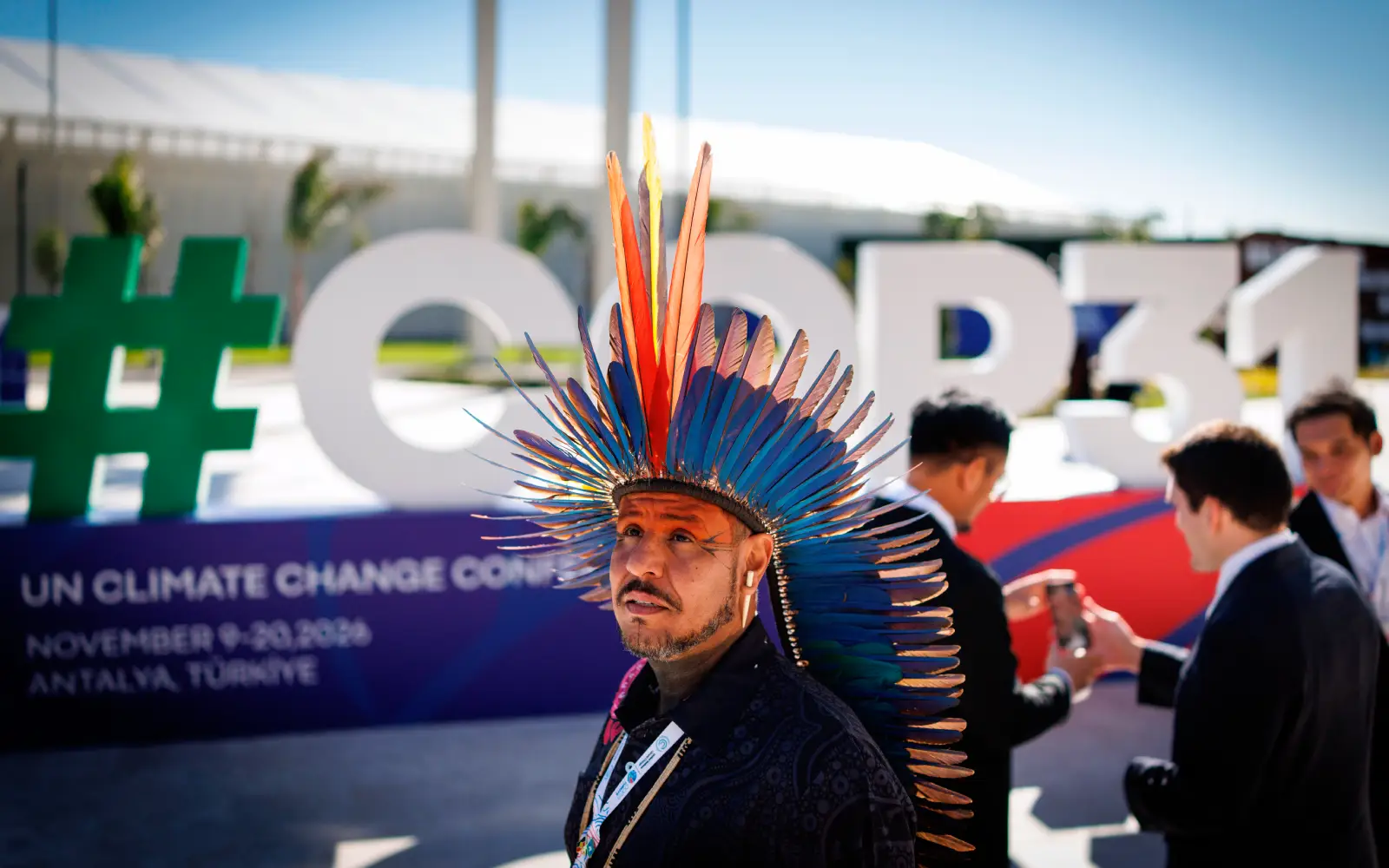
COP31, the UN's climate talks, entered their final stage on Friday, with countries deeply divided over a draft agreement that fails to address fossil fuels, potentially extending the negotiations into the weekend. Nearly 200 nations scrambled to resolve their differences after two weeks of talks in Turkey's Antalya. The summit is marked by stark reminders of the urgency of climate action, including heatwaves in Europe, devastating floods in Nepal, and a record-breaking El Nino causing global havoc.
In Iran, the ongoing war, and a recent spike in oil prices have added complexity to the discussions, intensifying divisions over energy security and the future of fossil fuels. Initially, a draft deal called for accelerating the phase-out of fossil fuels by 2035. However, a revised version released by Australia on Thursday eliminated any mention of oil, gas, and coal, key contributors to climate change.
French ecological transition minister Monique Barbut criticized this omission, emphasizing the need for consensus. Australian Climate Minister Chris Bowen, leading the negotiations, acknowledged ongoing consultations and negotiations until a consensus is achieved.
Countries reliant on fossil fuel interests have blocked progress on transitioning away from these fuels. Rachel Cleetus, director of the Union of Concerned Scientists' climate program, highlighted that these countries are impeding the fast, fair transition from fossil fuels. In response, Turkey proposed a voluntary pledge to increase the global share of final energy demand met by electricity to 35% by 2035.
While the draft text acknowledges the potential benefits of electrifying the global economy in enhancing energy security and reducing greenhouse gas emissions, some nations are concerned that it does not explicitly require clean energy sources like wind and solar power.
Critics argue that the text does not explicitly mandate the use of clean energy, potentially allowing coal or gas to remain viable options. Concerns were also raised about language welcoming the development of carbon capture, utilization, and storage (CCUS) technology, which many view as a distraction from direct pollution reduction efforts.
Vanuatu's climate minister, Ralph Regenvanu, expressed frustration at being singled out for special attention in the text. The draft underscores the IPCC's (Intergovernmental Panel on Climate Change) crucial role, with dozens of countries requesting its assessments to be available before a global review of carbon-cutting efforts in 2028.
However, some nations, including Saudi Arabia and India, prefer to postpone these assessments until 2029. The draft text expresses deep concern over the imminent failure to meet the 1.5°C temperature goal set by the 2015 Paris Agreement. Despite these challenges, nations continue to negotiate, grappling with the imperative of addressing climate change effectively and equitably.
Written by urgent.news from Free Malaysia Today's reporting — not their text. Machine-written — may contain errors; check the original before relying on it.