The Large Hadron Collider is being taken apart to fit magnets that have never run in an accelerator before
The LHC’s new magnets use a superconductor that is too brittle to bend once it forms, so engineers wind the coils first and bake them for days to create it; one in ten coils is still rejected.
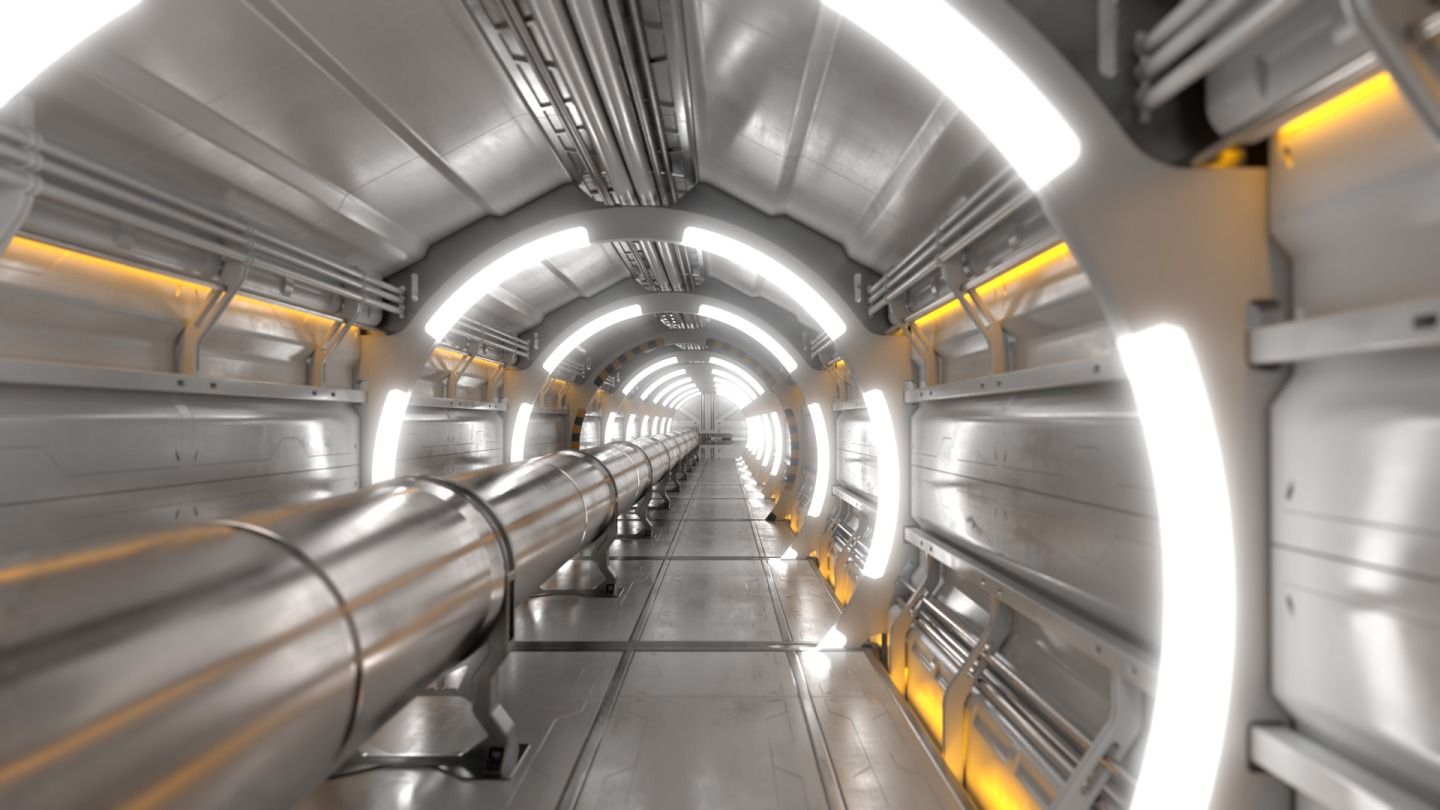
CERN is dismantling its LHC to install new superconducting magnets made from a different material. These new magnets, made from niobium-tin (Nb3Sn), have never been used in an accelerator before. The High-Luminosity LHC, which is scheduled to start in June 2030, requires these upgraded magnets to increase the number of proton collisions.
The LHC has been offline since late 2026, and engineers are now taking it apart to remove the 28 existing superconducting magnets. The replacement magnets, with a wider bore, allow for easier focusing of the proton beams. However, the manufacturing of Nb3Sn magnets is challenging due to their brittle nature. Only 90% of the 250 coils produced have successfully passed testing, with the rest failing either due to human error or substandard properties.
Despite these setbacks, the HL-LHC's 30 quadrupole magnets represent the closest thing to a production run of Nb3Sn accelerator magnets.
Written by urgent.news from TechRadar's reporting — not their text. Machine-written — may contain errors; check the original before relying on it.