The Asean paradox
Amid a fracturing global order, Asean has a choice: turn its convening authority into concerted action or be reduced to an arena for great-power rivalry.
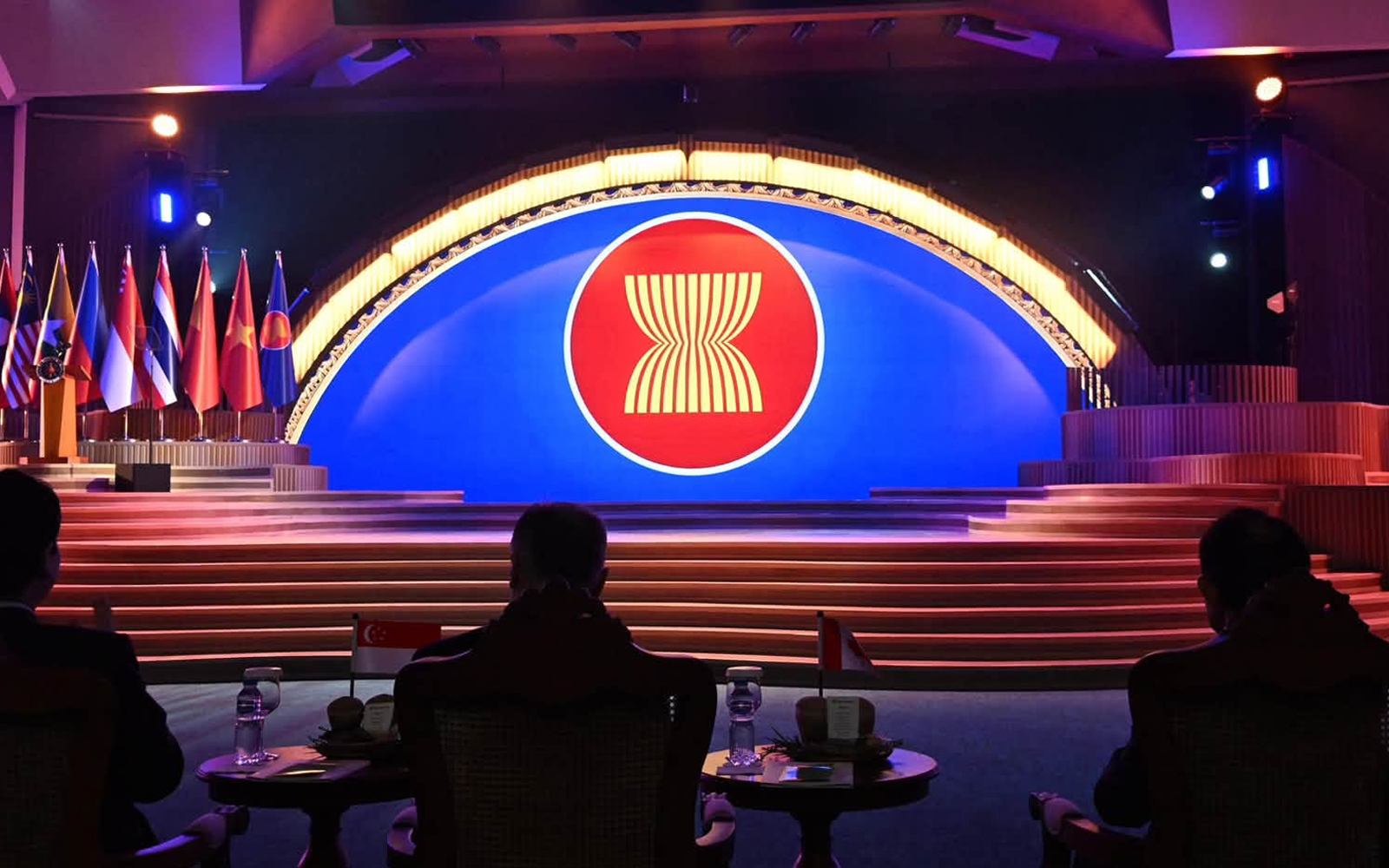
The Asean paradox is revealed as Southeast Asia's leaders convene at the Asean Summit in Manila from November 16-18, showcasing unity while grappling with deep divisions and diminishing effectiveness. Amid a fracturing global order, Asean must choose between strengthening its convening power or becoming a battleground for great-power rivalry.
The group's challenges are manifold, ranging from Indonesia's wildfire haze affecting neighboring Singapore and Malaysia, to border skirmishes between Thailand and Cambodia that came close to war. Myanmar's current leadership faces scrutiny after a putsch, with the new president seeking reinstatement in the organization. Meanwhile, the Philippines, hosting the summit, is engaged in a standoff with China, a concern for its neighbors.
Despite these tensions, Asean remains crucial for member countries, providing visibility and a voice on the global stage. Each fissure, however, underscores institutional shortcomings. For Myanmar, enforcement of the Five-Point Consensus remains a weak link, as the military junta leader, Min Aung Hlaing, has since swapped his uniform for civilian attire, normalizing relations with China and India.
Similarly, the Thai-Cambodian conflict, which resulted in dozens of deaths and displaced hundreds of thousands, highlights the limitations of Asean's peacekeeping capabilities. Meanwhile, tensions in the South China Sea underscore the absence of common external positions among Asean members, with China exploiting the group's differing stances to advance its maritime claims.
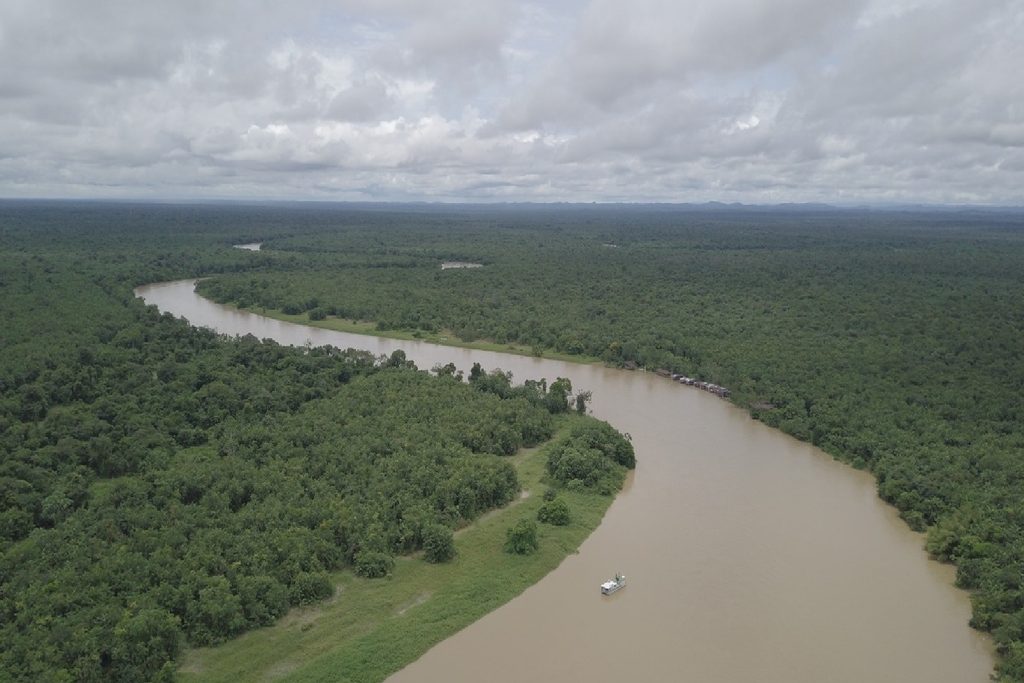
The most pressing issue, however, is Indonesia's peatland fires, causing hazardous haze that has closed schools in Malaysia and triggered consumer boycotts, affecting Indonesia's economy. Addressing these fault lines is critical, as the US-China contest intensifies with coercive tactics like tariffs and export controls, while multilateralism fades.
Despite lacking a unified foreign policy and military, Asean serves as a vital interlocutor, representing nearly 700 million people and a US$4 trillion economy. Singapore's 2027 chairmanship presents an opportunity for significant reforms, including fewer summits, merit-based leadership contracts, and flexible participation to address issues like maritime security and haze enforcement.
Myanmar's reintegration into Asean should be contingent on measurable benchmarks, aiming to restore the founding aspiration of solidarity that defined the organization in 1967.
Written by urgent.news from Free Malaysia Today's reporting — not their text. Machine-written — may contain errors; check the original before relying on it.