Tens of thousands of UK fridges secured from hackers in secret nationwide operation
A behind the scenes cyber-security operation has taken place to secure tens of thousands of fridges and freezers at major UK supermarkets, warehouses, restaurants, petrol stations and stadiums from hackers, the BBC has learned.
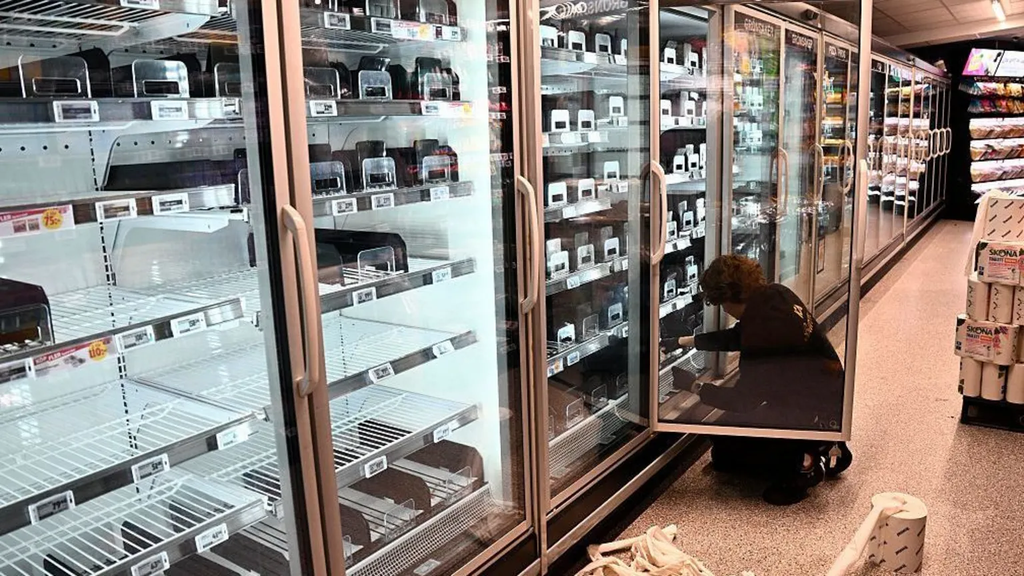
A clandestine cyber-security operation has been carried out to safeguard tens of thousands of refrigerators and freezers in major UK supermarkets, warehouses, restaurants, petrol stations, and stadiums from hackers, according to the BBC. Recent cyber-attacks in Europe have resulted in significant food spoilage and millions of pounds in damages, with France blaming Iran for one of the attacks, a claim Tehran denies.
The UK had believed to be largely immune to such attacks, as the refrigeration industry typically uses different devices, but a potential vulnerability was discovered. In late October, security researchers found a major flaw that, if exploited by hackers, could have led to even more extensive damage. Since then, researchers, IT teams, and the National Cyber Security Centre have been working tirelessly to warn dozens of companies about the vulnerability.
The BBC has withheld reporting on the operation to minimize the risk of hackers taking advantage of the situation. The security threat was initially identified by staff at Omega Solutions, a refrigeration consultancy, and later verified and expanded upon by experts at Pen Test Partners. The National Cyber Security Centre, the Department for Environment, Food & Rural Affairs, and the Food Standards Agency were then involved in the effort to fix the security gaps.
Thousands of devices controlling tens of thousands of refrigeration systems were either disconnected from the open internet or physically disconnected, with staff instructed to unplug internet cables and monitor temperatures manually. The majority of major supermarkets had to divert IT teams to address the risks, with one large chain worker reporting that they took hundreds of devices offline daily over a week.
There have been three waves of hacks affecting refrigeration temperature controllers so far this year, with the latest occurring on November 1-2 across seven European countries, particularly impacting Belgium and Luxembourg. These attacks have prompted various sectors within the UK food and beverage industry to take action against the risks, including convenience stores, petrol stations, restaurants, fast food chains, sports arenas, hotels, food processing plants, and cold storage sites.
British refrigeration firm Resource Data Management (RDM) has been praised for its response to the concerns, although they dispute the critical nature of the vulnerabilities exposed. RDM has deployed first patch releases and is actively contacting customers to recommend mitigatory steps, ensuring there is no sign of malicious activity on the controllers.
Written by urgent.news from MyJoyOnline Ghana's reporting — not their text. Machine-written — may contain errors; check the original before relying on it.