Space travel changes the brain’s immune cells
New research finds that galactic cosmic radiation changes the brain’s immune cells, but not cognition.
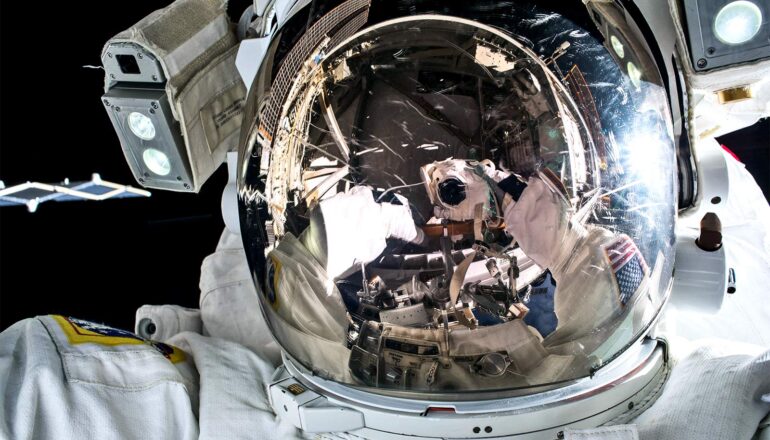
New research indicates that galactic cosmic radiation, a type of highly energetic particle found in space, alters the brain's immune cells but does not impact cognition. On Earth, we protect ourselves from the sun's radiation by using sunscreen, yet there are other rays, known as galactic cosmic rays, that our atmosphere and magnetic field deflect.
NASA is keen on understanding how these rays affect humans, especially astronauts who will be exposed to them during long missions to the Moon and, eventually, Mars. Professor M. Kerry O'Banion, a neuroscience expert, has been researching space radiation for over 15 years. He explains that cognitive changes due to radiation exposure in space are a significant risk, and understanding the changes in brain cells could lead to countermeasures to protect astronauts.
Recent studies from O'Banion's lab, published in Scientific Reports, reveal that while molecular changes occur in both males and females, there are no short-term behavioral or cognitive differences. However, the long-term implications remain unclear. The researchers used single-cell RNA sequencing to analyze nearly 16,000 microglia, or brain immune cells, from male and female mice exposed to simulated galactic cosmic radiation.
They discovered distinct responses in male and female microglia. In males, changes related to cellular stress adaptation and metabolism were observed, while females showed broader reductions in immune signaling pathways. The researchers have not yet determined whether these changes are beneficial, harmful, or temporary. Additionally, they found that both sexes shared an increase in the protein FKBP5, which plays a role in regulating cellular responses to stress, in two brain regions: the cortex and dentate gyrus.
O'Banion emphasizes the importance of considering biological sex when evaluating neurological risks during spaceflight and highlights potential strategies for developing protective measures.
Written by urgent.news from Futurity's reporting — not their text. Machine-written — may contain errors; check the original before relying on it.