Singapore Prepares To Replace ERP Gantries With Satellite-Based Road Charging In 2027
Singapore is preparing to replace its existing Electronic Road Pricing (ERP) system with a satellite-based alternative known as ERP 2.0, which is scheduled to take effect on 1 January 2027. The transition will eliminate the need for conventional charging gantries, allowing the country’s Land Transport Authority (LTA) to determine road usage charges through satellite positioning […] The post…
Singapore is set to replace its current Electronic Road Pricing (ERP) system with a satellite-based alternative called ERP 2.0, slated to commence on January 1, 2027. This new system will eliminate the need for traditional charging gantries, as charges will be determined based on satellite positioning rather than physical indicators.
The existing ERP system has been in place since 1998, relying on gantries to identify vehicles and collect fees. The new ERP 2.0 system is designed to update this infrastructure while maintaining Singapore's congestion-based road pricing model.
ERP 2.0 employs Global Navigation Satellite System (GNSS) technology to identify a vehicle's location and determine when it enters designated charging zones. An On-Board Unit (OBU) is installed in each vehicle, which communicates with satellites to calculate the applicable road charges. The OBUs for cars include a processing unit, touchscreen display, and antenna, while motorcycles have a smaller integrated unit.
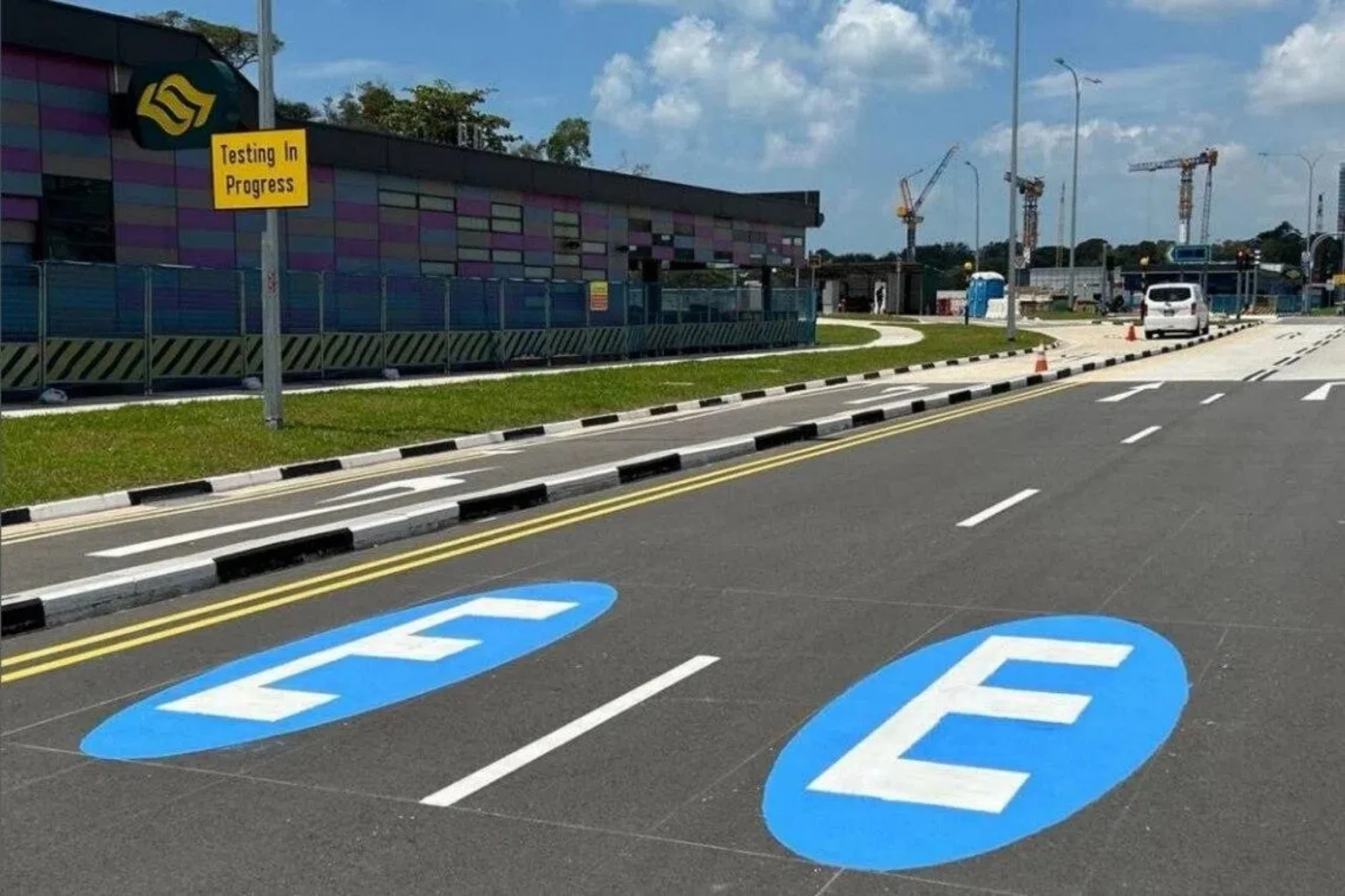
Aside from processing ERP payments, the OBU can also provide parking information, road updates, and flood advisories. As physical gantries will no longer display charging locations, the Land Transport Authority (LTA) will introduce blue oval ERP road markings and dedicated signs to guide motorists. The OBU will alert drivers before they enter a charging zone and display the corresponding rate.
The LTA is currently removing or modifying the existing 95 ERP gantries, with completion expected by June 2027. Some structures will remain to support roadside equipment that facilitates satellite connectivity in areas with weaker signals. Malaysian motorists entering Singapore are not required to install the new OBU, although the LTA encourages it.
Foreign-registered vehicles have been eligible for installation at authorized Singapore workshops since April 1, 2026, priced at SGD $158.70 (~RM522), excluding installation. Non-installed vehicles will face a flat-rate ERP charge of SGD $3 (~RM10) for motorcycles and SGD $10 (~RM33) for other foreign-registered vehicles for every operational day spent in Singapore.
Accumulated charges will be deducted from their Autopass Card when exiting Singapore. Those opting for installation will be billed according to their actual ERP usage. The LTA has clarified that the OBU operates solely within Singapore and will not track vehicles when they return to Malaysia.
Written by urgent.news from Lowyat.NET's reporting — not their text. Machine-written — may contain errors; check the original before relying on it.