Seed-oil-free foods are now a $1 billion business. Stanford scientists say the health claims don’t hold up
Sales of seed-oil-free foods are surging, helped by a certification seal and a shift in federal diet advice. Scientists at Stanford and Tufts say the case against the oils is thin.
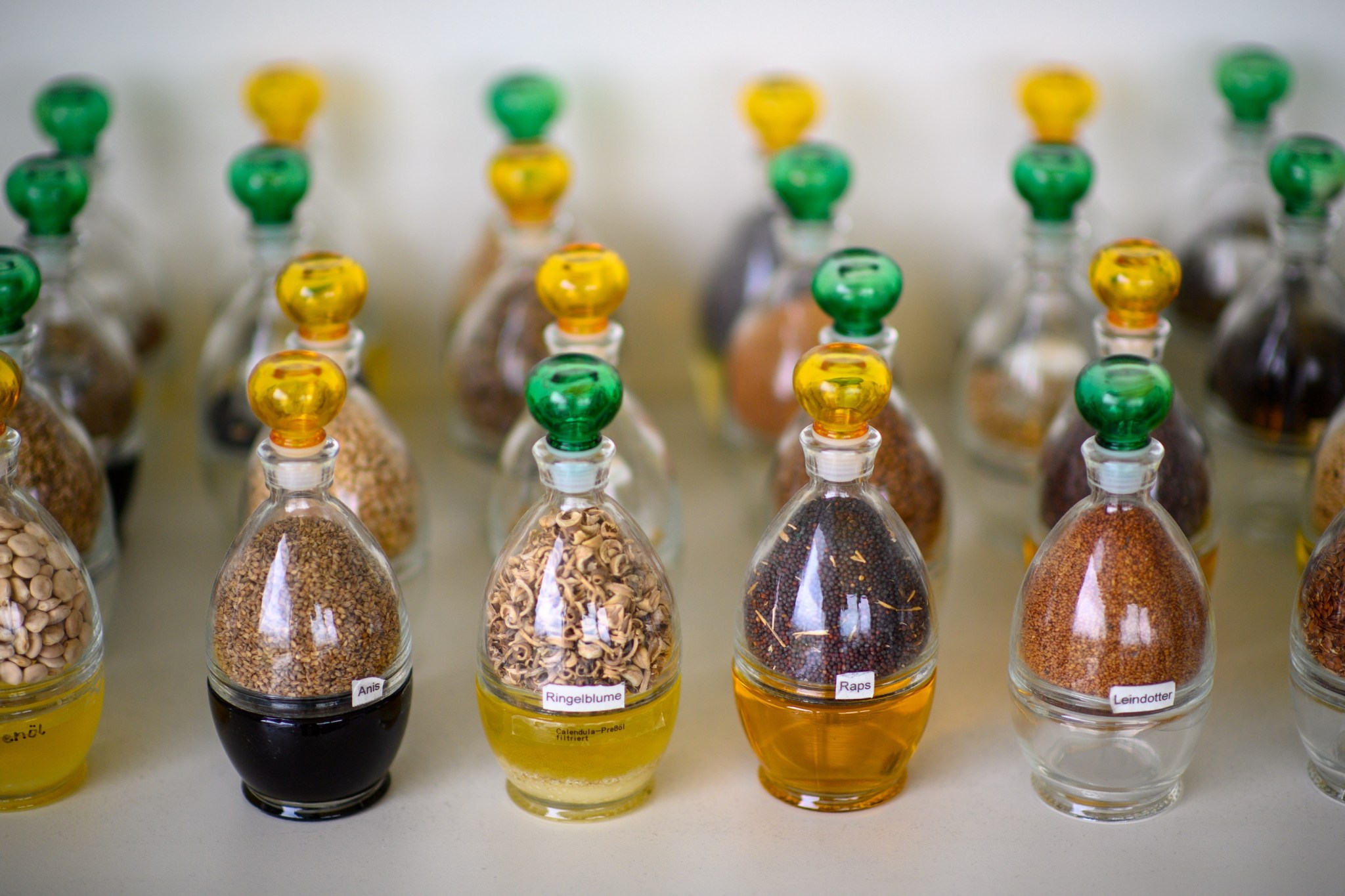
In recent years, a growing market for seed-oil-free food products has emerged in the United States. According to NielsenIQ data, Americans spent over $1 billion on such products last year, marking a 60.2% increase in sales. While some nutrition and food scientists argue that seed oils are not inherently harmful and that seed-oil-free foods may not be healthier, companies are responding to consumer demand.
Major food producers like PepsiCo are increasingly using alternative oils like avocado and olive oil in their products. The Seed Oil Free Alliance, a Florida-based organization founded in 2023, certifies seed-oil-free products and has issued more than $410 million in retail sales. However, experts caution that the term "seed oil" can be misleading, as it includes oils from legumes like soybean and peanut.
Moreover, the high consumption of omega-6 fatty acids, which are present in many seed oils, does not necessarily equate to inflammation, as research has not found a significant link between linoleic acid intake and inflammatory markers. The American Heart Association has previously concluded that replacing saturated fats with polyunsaturated vegetable oils, such as those found in seed oils, can lower LDL cholesterol and reduce the risk of cardiovascular disease.
Nonetheless, the rise of the seed-oil-free movement has been driven largely by social media and fearmongering, according to some health professionals.
Written by urgent.news from Fortune's reporting — not their text. Machine-written — may contain errors; check the original before relying on it.