Reform: Neuer „Notfallwegweiser“ für Patienten in dringenden Fällen
Wenn abends plötzlich Beschwerden auftreten, gehen viele direkt ins Krankenhaus, stundenlanges Warten meistens inklusive. Nun sollen effizientere Abläufe kommen und auch die Rettungsstellen entlasten.
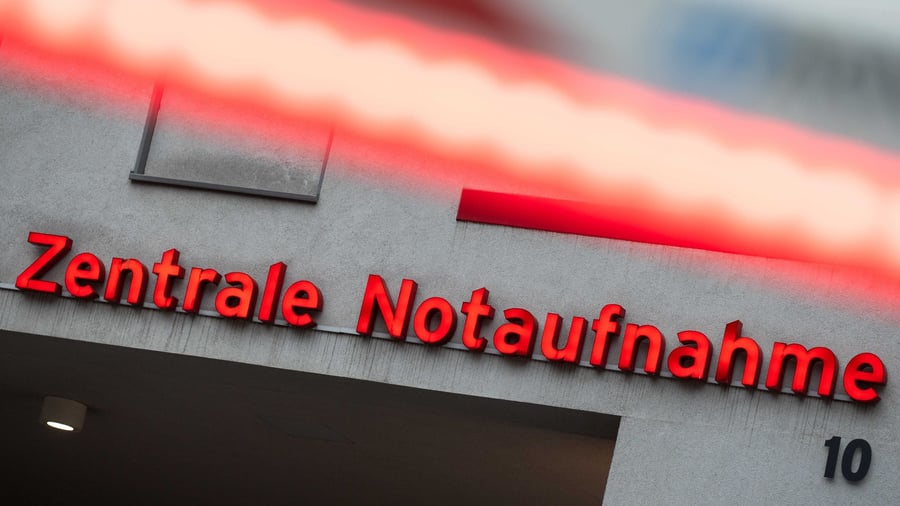
Patients facing urgent concerns will be directed more precisely to suitable treatments in the future, avoiding overcrowded emergency rooms in hospitals, according to the Bundesrat. The reform, implemented through a law passed by the Bundestag, aims to improve the nation's emergency response and rescue services. The changes also bring financial improvements for psychotherapists and hospitals supporting the black-red coalition on the legislation.
Bundesgesundheitsminister Carsten Linnemann (CDU) stated that the reform will better connect systems and clearly regulate patient journeys. "This relieves emergency rooms and enhances care for those in dire need of help," he said. Around one-third of emergency room patients are currently not in a true emergency. Those with undiagnosed conditions, uncertainty about who to turn to, or unclear guidance may go to the emergency room.
The Bundesrat raised objections to certain regulations, particularly on location specifications and funding for rescue service costs. However, a majority on the Mediation Committee did not object. Linnemann previously pledged improvements in a protocol statement. A key aspect of the reform is the "patient navigation system" for patients, especially at night and on weekends when regular practices are closed.
Upon calling, patients will receive an initial assessment for further action through the nationwide service number 116 117 of the pharmacists' association, with many complaints potentially clarified through remote medical consultations or video calls. A digital connection with the emergency number 112 for life-threatening situations such as heart attacks or accidents is also planned.
Those calling 112 will be instructed on whether to dispatch an ambulance, a doctor, or a helicopter, or if the patient should be directed to 116 117. Calling 112 may also provide CPR guidance if someone experiences cardiac arrest. If patients go directly to the hospital, they will first receive an initial assessment at a reception desk in many locations, determining whether to proceed to the emergency room, a nearby practice with regular hours, or a crisis center.
Dedicated centers for children and adolescents will be established in selected clinics. The legislation also introduces new regulations for the rescue service, making it a regular part of the statutory health insurance provider's service catalog. Previously, reimbursement depended on whether patients needed hospital transport, which was often unnecessary.
Exclusions are made for cases where patients remain on the bill. Amendments to the Union and SPD's austerity package have been attached to the law, providing budget cuts for psychotherapists starting in early 2027. Hospitals will receive 550 million euros more than initially planned. A waiver for health insurers' commitments to inform their members about premium increases will be reinstated.
Written by urgent.news from Handelsblatt's reporting — not their text. Machine-written — may contain errors; check the original before relying on it.