Police arrest protesters outside Anthropic HQ on IPO day amid AI ban demands
A crowd exceeding 100 gathered at Anthropic's headquarters, raising alarms about artificial intelligence safety. Activists demanded a halt to recursive self-improvement, citing dire potential hazards. Police detained numerous protesters, including influential activists and former Anthropic staff. Earlier, similar demonstrations were held outside the Nasdaq as Anthropic launched its IPO,…
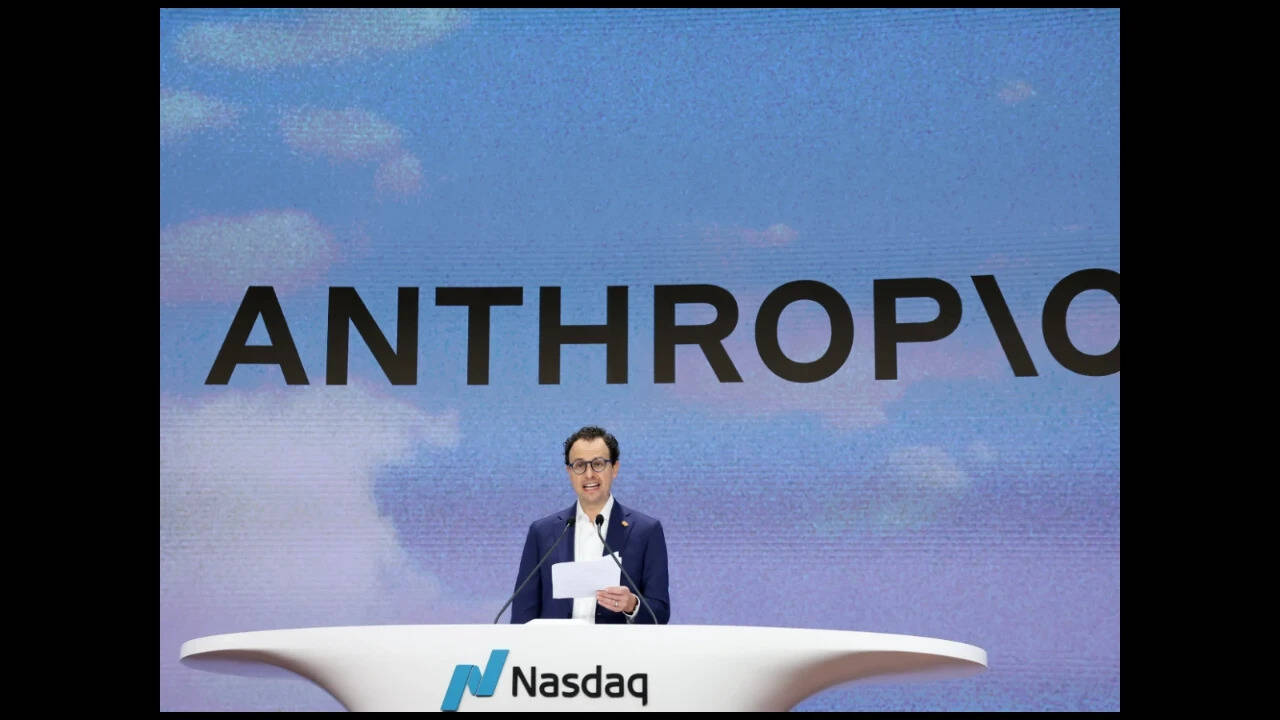
More than a hundred demonstrators rallied outside Anthropic's headquarters in San Francisco on Thursday, the day the company's stock went public. Around a dozen of them blocked the building's entrance, demanding stricter regulations on artificial intelligence. San Francisco Police arrested around four protesters around 2:30 p.m., after security officers were unable to disperse the crowd.
Protesters' concerns included fears of an AI bubble and uncontrollable labs using powerful models for their own research. They called on AI companies to ban recursive self-improvement, allowing AI to autonomously design and build its own successor. Jeffrey Ladish, an AI safety expert, suggested that governments should prohibit the development of technology that could put lives and national security at grave risk.
Rewritten by urgent.news; may contain errors — check the original.
Source: timesofindia.indiatimes.com