Philippines: Kanlaon Volcano spews 200-metre ash plume — Phivolcs releases dramatic sped-up footage
Filipino volcanologists (Phivolcs) said the November 16 morning event lasted from 6:35 am to 7:55 am and produced plumes up to 350 metres high. A second event at 3:03 p.m. produced a 300-metre plume. The latest November 20 event produced a 200-metre plume, the smallest in recent days but still significant. MANILA — The Philippine Institute of Volcanology and Seismology (Phivolcs) released sped-up…
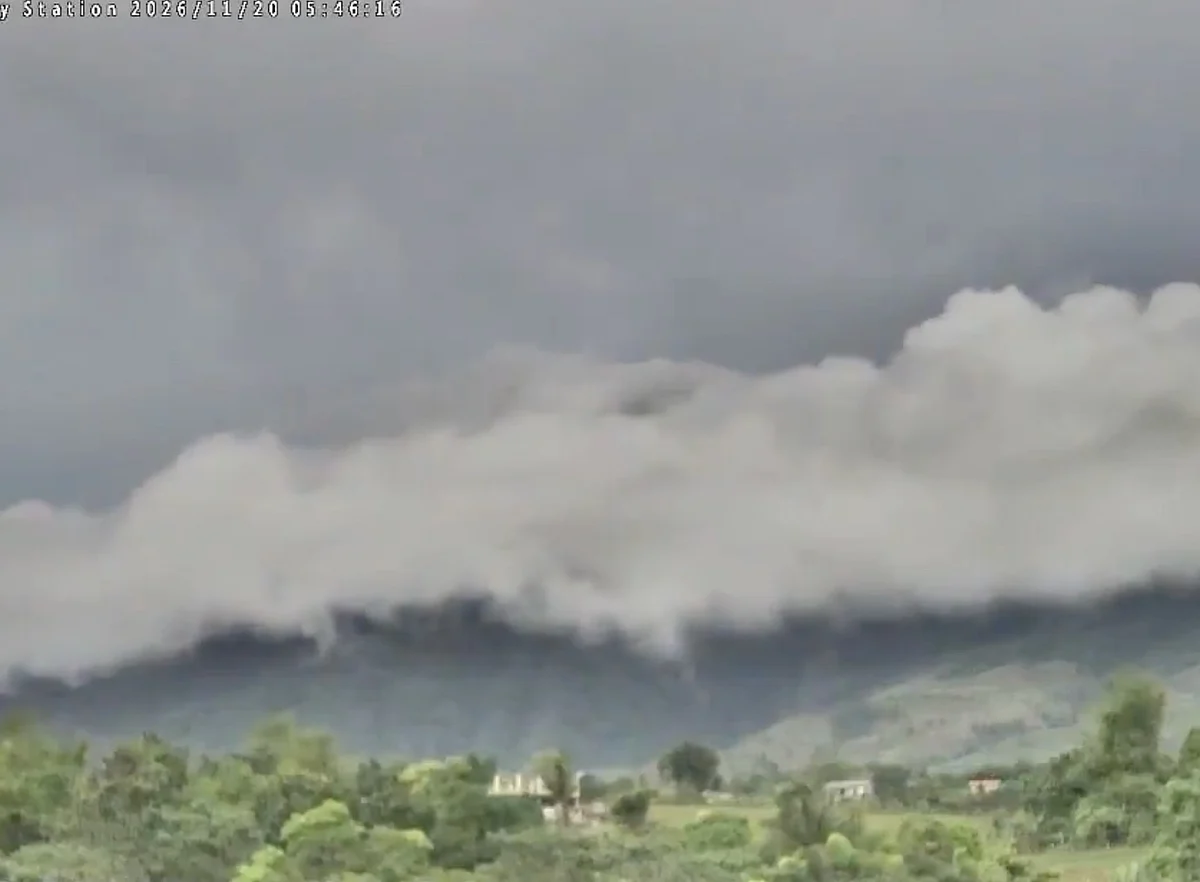
On November 16, Kanlaon Volcano in the Philippines erupted, spewing an ash plume reaching up to 200 meters high, according to the Philippine Institute of Volcanology and Seismology (Phivolcs). This event, captured in sped-up footage by the Kanlaon Volcano Observatory in Canlaon City, occurred between 6:35 am and 7:55 am. The previous day, on November 15, a plume had reached 300 meters, while on November 14, ash had risen 600 meters above the summit.
These eruptions follow a series of increasing activity over recent days, with plumes measuring up to 900 meters on November 15. Despite this smaller eruption, Phivolcs maintains Alert Level 2 for Kanlaon, indicating ongoing volcanic unrest. Ashfall from the volcano could impact health, water sources, crops, and transportation in nearby communities, prompting warnings from Phivolcs.
The Negros Island Region has increased its disaster response readiness in light of the continued volcanic activity. Authorities are closely monitoring the situation, with Phivolcs expected to provide further updates as the situation evolves. Residents are advised to stay informed through official bulletins and follow safety guidance.
The Philippines is home to 24 active volcanoes, classified as such by Phivolcs if they have erupted within the last 600 years with historical records or within the last 10,000 years based on geological evidence. Volcanic eruptions release sulfur gases, including sulfur dioxide (SO₂) and hydrogen sulfide (H₂S), along with solid sulfur deposits and occasional liquid sulfur flows.
Written by urgent.news from Gulf News's reporting — not their text. Machine-written — may contain errors; check the original before relying on it.