Parliament intensifies efforts to pass Anti-Witchcraft Bill 2026
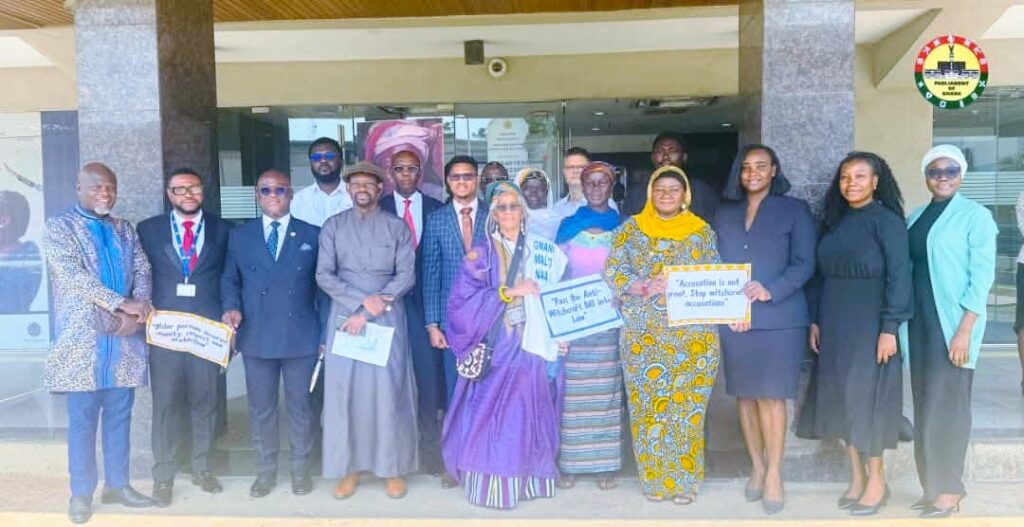
Parliament has intensified efforts to pass the Anti-Witchcraft Bill, 2026, which seeks to protect vulnerable individuals from unjust witchcraft accusations, discrimination and related violence. The Constitutional and Legal Affairs Committee of Parliament convened on Thursday, November 19, 2026, to discuss the Criminal Offences (Amendment) Act, 2026, commonly known as the Anti-Witchcraft Bill. In…
The Centre for Environmental Management and Sustainable Energy (CEMSE) has requested a review of the costs associated with Ghana's fuel marking programme as Parliament deliberates on the National Petroleum Authority (NPA) Bill, 2026. This development comes as the bill seeks to amend and consolidate laws governing the downstream petroleum sector.
CEMSE argues that newer monitoring technology could safeguard fuel quality at a lower expense, thereby alleviating the financial strain on consumers. The call for a reevaluation of fuel marking cost and relevance comes as the NPA has had Automatic Tank Gauging (ATG) technology in place since 2018. Introduced to identify adulteration, curb smuggling, and safeguard government revenue, fuel marking has served its purpose over the years.
However, CEMSE contends that with more recent monitoring systems available, it is warranted to reassess whether both fuel marking and ATG systems are still necessary at their existing costs. The Centre is advocating for either a reduction in the margin or a complete discontinuation of these mechanisms if the newer systems can achieve the same objectives at a lower cost.
CEMSE is urging the government and the NPA to determine the expenses of operating both systems and whether each system's function justifies continued funding. This review could impact the cost of doing business in the downstream sector and, if regulatory costs are reduced and savings are passed on, the prices at the pumps. Additionally, CEMSE has expressed concerns regarding the funding of fuel marking under the proposed law.
The draft bill addresses the programme on page 69, but CEMSE contends that it fails to clearly outline the source of funding or provide a rationale for the program's continuation after 13 years. The organization is urging policymakers to assess emerging technologies and international best practices before establishing the new regulatory framework, while stressing the importance of maintaining effective fuel quality controls at the most cost-effective level for petroleum users.
Written by urgent.news from Adom Online's reporting — not their text. Machine-written — may contain errors; check the original before relying on it.