OpenAI says it redesigned an AMD GPU and AMD is using some of those tweaks ‘for use in future products’
Let's hope we actually see some performance gains from it.
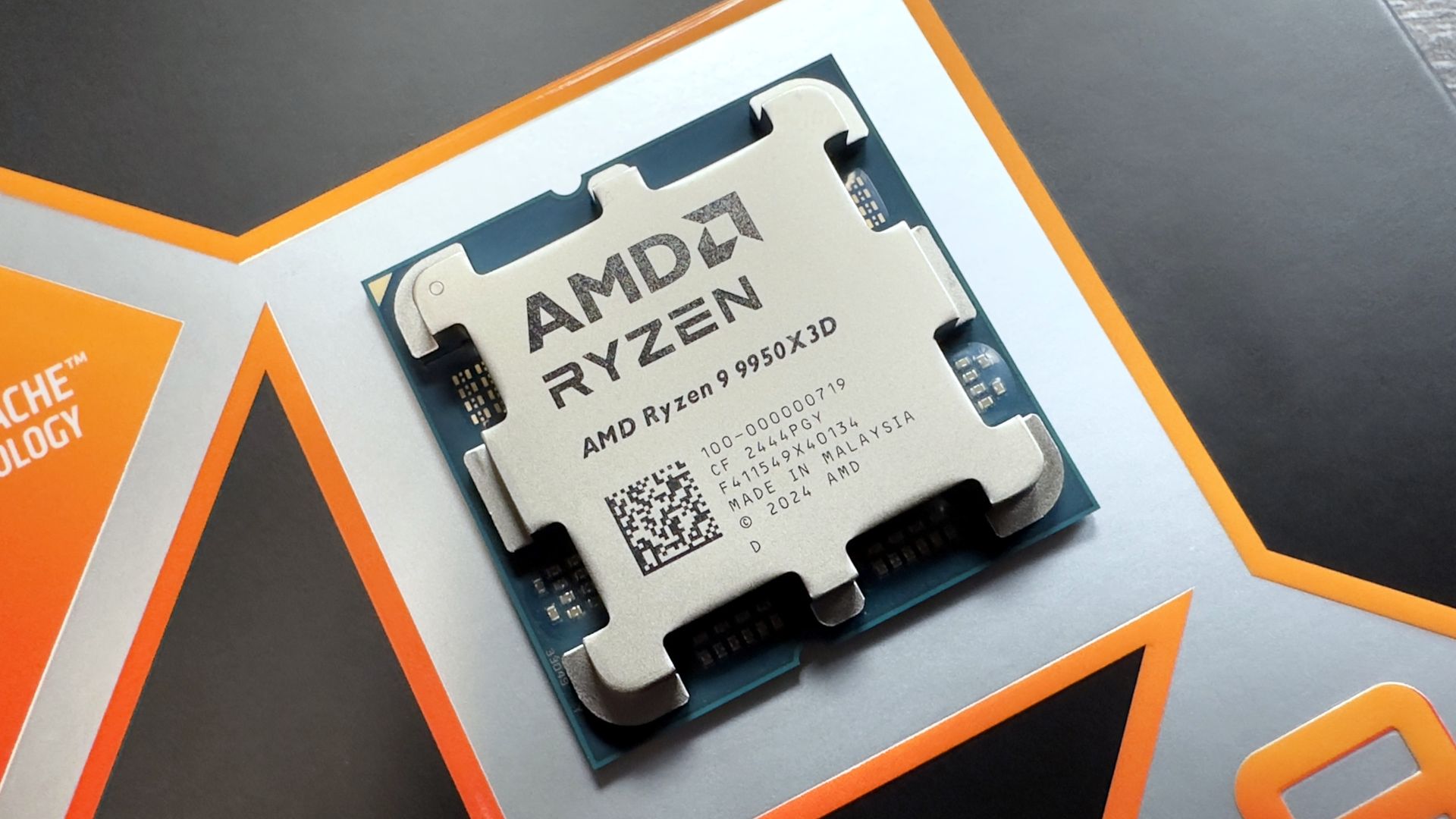
OpenAI revealed that its frontier models have managed to redesign AMD circuits, resulting in a boost of up to 14% in Power, Performance and Area (PPA). OpenAI asserts that this achievement was accomplished in less than five months, compared to a year of traditional design optimisation. Notably, AMD has incorporated some of these findings into their chip designs that have recently moved into manufacturing.
The model worked on AMD's in-house Jalapeño chip, as well as a flagship GPU IP and next-gen flagship CPU key modules. Each of these components experienced varying improvements. The Jalapeño vector compute unit saw a reduction in cell area by around 13%, a 10% reduction in standard cell area, a 15% reduction in multiplier area, and a decrease in latency from two clock cycles to one.
The AMD flagship GPU achieved the 14% PPA improvement, with AMD confirming a single-digit PPA improvement in their upcoming CPU. The report used 112,000 tokens and found that all models, including GPT-6.2 Astra, GPT-6 Astra, GPT-6.1 Sol, and GPT-5.6 Sol, performed better when tasked with designing a RISC-V core from scratch rather than optimizing a given one.
However, OpenAI cautions that models designed to entirely redesign may omit features from the original design, which could become an issue. The use of generative AI in the PC hardware space is a double-edged sword, as it can be both a boon and a hindrance. While AI's ability to work constantly and quickly can aid development, it can also introduce thousands of bugs that Linux engineers struggle to fix.
This reliance on AI for engineering tasks highlights the need for ongoing maintenance and monitoring of the technology.
Written by urgent.news from PC Gamer's reporting — not their text. Machine-written — may contain errors; check the original before relying on it.