NST Leader: Critical hospital failures demand urgent repairs, not another budget cycle
A MOBILE phone is not emergency lighting and must never become a hospital’s last line of defence.
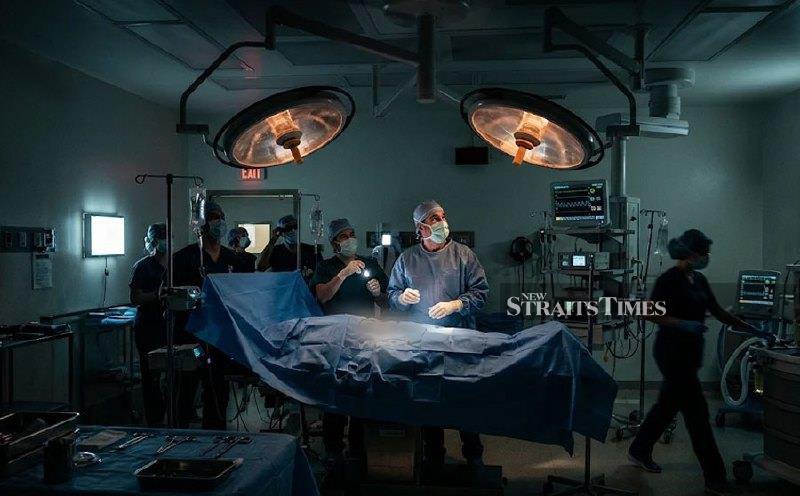
Malaysian Parliament member Zahir Hassan has expressed urgent concerns over critical failures in hospital infrastructure during a recent speech in the Dewan Rakyat. He highlighted a concerning incident where a doctor in Sabah had to stitch a patient using only a mobile flashlight, as power had reportedly failed during the surgery. This incident, among others, has prompted the Health Ministry to investigate the root causes of these failures.
The Malaysian Medical Association has called for an immediate nationwide audit of critical hospital infrastructure, specifically focusing on issues related to power and water disruptions, backup system failures, and repeated breakdowns of air conditioning units. The association argues that these problems are not mere maintenance complaints but require urgent attention to ensure patient safety.
To address these issues, the association has proposed several measures. Firstly, every hospital should be required to disclose the latest tests conducted on their generators, backup batteries, and emergency lighting systems within 30 days. These tests should be verified under controlled power failure conditions by engineers and clinical teams to ensure their performance. Additionally, checks should be made on water reserves, ventilation, logistics, and oxygen supplies to identify any potential shortcomings.
Furthermore, the Treasury is urged to reserve funds for urgent replacements and preventive maintenance of hospital infrastructure. Repairs and safety verifications should be prioritized for hospitals where the failure of essential services could leave patients without a nearby alternative. Each repair must come with a deadline and an accountable official, and independent verification must be sought before declaring a repair complete.
Missed deadlines should trigger escalation and corrective action, and the Parliament should be kept informed every quarter about the status of repairs, completed repairs, missed deadlines, and unresolved risks.
The safety of patients should not be left to the discretion of their postcodes. Authorities must fund the necessary repairs, test backup systems thoroughly, and answer for any failures. In remote areas where access is limited, designated emergency contacts, receiving hospitals, and transport must be arranged. Rural clinics should be equipped to stabilize patients, and transfer procedures should be rehearsed with the responsible teams.
The postcode of a patient should never determine their safety, and the authorities must ensure that every community has access to essential healthcare services.
Written by urgent.news from New Straits Times's reporting — not their text. Machine-written — may contain errors; check the original before relying on it.