New Unpatched Windows 0-Day FastUnlock Lets Someone Holding a Locked PC Run Programs on It
A newly disclosed unpatched zero-day technique called FastUnlock lets someone with physical access to a locked Windows computer start programs without signing in. Whoever uses it gets only a limited account, not administrator control of the machine. The method was posted yesterday by a researcher who uses the handles MSNightmare and Nightmare Eclipse, and the endpoint-security firm ThreatLocker
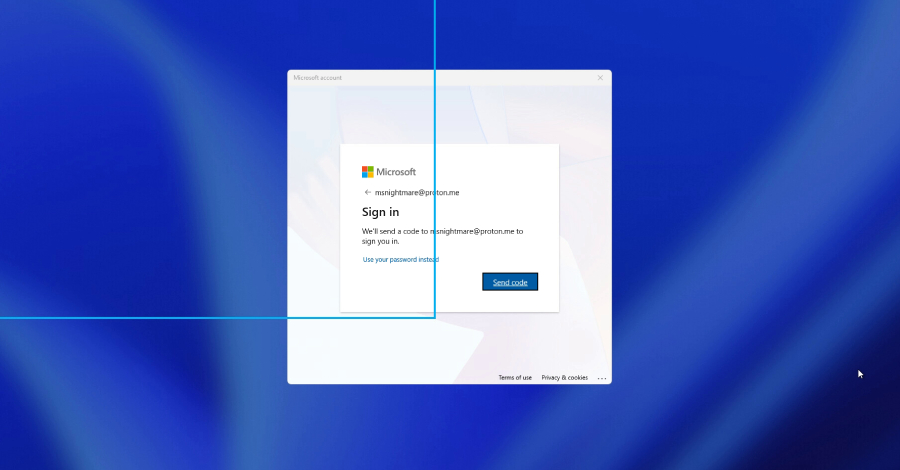
A recently disclosed unpatched vulnerability, dubbed FastUnlock, allows an individual with physical access to a locked Windows PC to launch programs without entering their login credentials. The technique, disclosed on social media by researchers using the handles MSNightmare and Nightmare Eclipse, was independently verified by endpoint-security firm ThreatLocker. While the researcher's disclosure is minimal, ThreatLocker's test demonstrated the application running a program in a limited account on the lock screen.
FastUnlock does not require administrator control over the machine, rather it takes advantage of Windows' built-in screen reader, Narrator. There is currently no fix released by Microsoft, and it is unclear whether the method has been exploited in the wild. The vulnerability requires physical access to the system and a Microsoft account accessible through the lock screen's recovery options.
Crucially, the system must be running BitLocker encryption, which automatically unlocks the drive at startup. At this point, FastUnlock can bypass the lock screen and run programs in a non-administrative account.
ThreatLocker's test showed that the vulnerability does not break BitLocker encryption or recover the key, but it does present a significant risk. Given the conditions of physical access and a reachable Microsoft account, any machine meeting these requirements is potentially vulnerable. Until Microsoft releases an official fix, the recommended preventative measures include using a startup PIN and shutting down or hibernating the machine when faced with determined attackers.
The researcher's disclosure emphasizes the importance of monitoring for an official patch and applying it as soon as it becomes available.
Written by urgent.news from The Hacker News's reporting — not their text. Machine-written — may contain errors; check the original before relying on it.