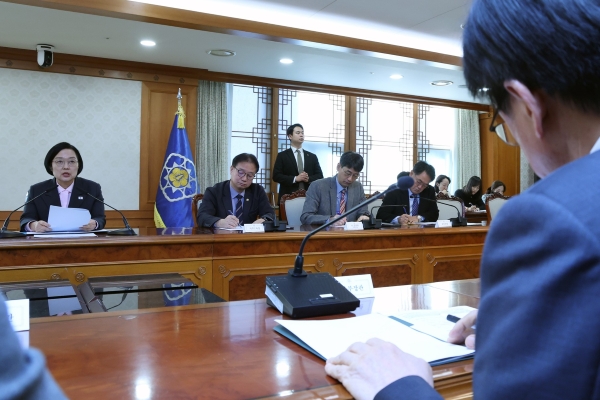
Myanmar says international court's genocide ruling 'not fair'
Myanmar had always denied genocide, arguing that its actions targeted a military uprising by insurgents after a series of attacks left a dozen security personnel dead.
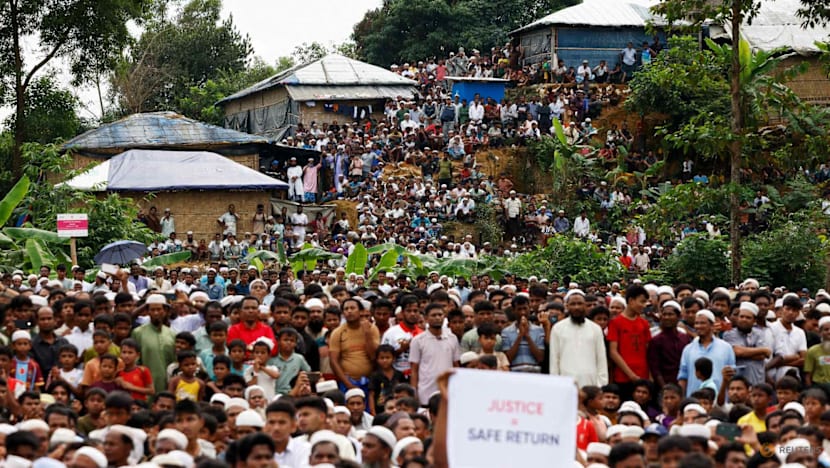
The International Court of Justice (ICJ) has ruled that Myanmar is responsible for committing genocide against the Rohingya in 2017. The court's landmark decision, delivered by nine votes to six, marks the first time since the adoption of the UN Genocide Convention in 1948 that a state has been found responsible for carrying out such a crime.
The ruling orders Myanmar to provide restitution and compensation to the victims of the military's "clearance operations" in Rakhine State. Despite past ICJ rulings on genocide claims not resulting in responsibility being assigned to the state itself, this case sets a new precedent.
Written by urgent.news from The Conversation AU's reporting — not their text. Machine-written — may contain errors; check the original before relying on it.
This story
This is one outlet's version. Read the fullest account.
- A seismic ICJ ruling has found Myanmar responsible for genocide. But will it help the Rohingya? theconversation.com
- International court’s genocide ruling ‘not fair’, says Myanmar spokeswoman freemalaysiatoday.com
- International court's ruling on Myanmar genocide means little for victims, but much for future cases cbc.ca
- ICJ ruling on Myanmar hailed as 'milestone' for Rohingya rte.ie