My dog is 12, & I didn’t know she needed a senior diet. Here’s what a vet told me about feeding pets as they age.
Turns out “You are what you eat” doesn’t just apply to humans.
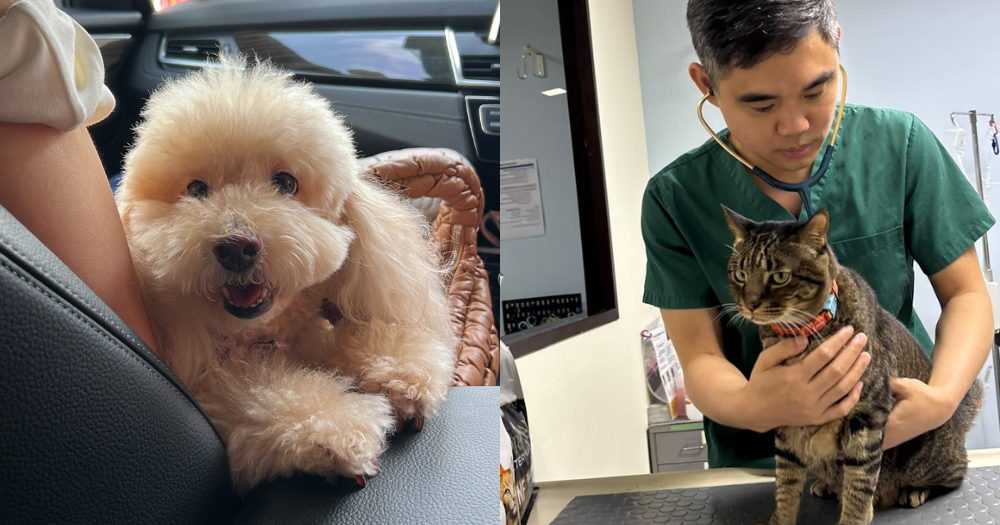
Many pet owners tend to overlook the important changes their furry companions undergo as they age. A 12-year-old maltipoo named Coco serves as an example of this. Over the years, her owner noticed she was getting tired easily after short playtimes, taking more naps, and hesitating to jump onto her bed – behaviors that were once effortless for her. Senior veterinarian Teo Boon Han explained that these subtle changes could signal a pet's transition into its golden years, and it might be time to adjust their diet accordingly.
According to Teo, there isn't a specific age when pets become seniors. Instead, it's generally the latter half of a pet's expected lifespan. For smaller breeds, this could be around 10-11 years, while larger dogs may become seniors as early as six or eight years old. Cats, with their longer lifespans, could be considered seniors at any point between three and 18 years.
Pets, especially seniors, should receive regular health check-ups. Hill’s Pet Nutrition considers age seven as the point when pets start to enter their senior life stage. At this point, nutrition becomes a crucial factor in supporting their health and vitality. A common sign that pets are slowing down is a decrease in activity levels, which could be a natural part of aging, but it might also indicate underlying joint or muscle problems. This highlights the importance of transitioning to a senior diet.
Nutritional needs change as pets age, and their diets should adapt to support their changing needs. An older pet's diet should focus on maintaining muscle health and mobility while promoting overall wellbeing. One of the key differences between senior and adult diets is the calorie content. Senior pets are less active and have a slower metabolism, so feeding them an adult diet high in calories can lead to weight gain, which puts extra stress on their joints and increases the risk of osteoarthritis.
Senior diets feature nutrients specially formulated for older pets, including fewer calories, joint-supporting ingredients like chondroitin and omega-3 fatty acids, and mineral levels that prevent organ strain. Maintaining muscle mass is also vital for older pets, as declining muscle mass can affect their strength and mobility. High-quality protein and essential amino acids in senior diets can help preserve lean muscle mass, ensuring pets stay active and enjoy their daily activities.
When selecting a pet food brand, look for a complete and balanced diet that meets all the nutritional requirements of your pet. The diet can be dry, wet, or fresh food, as long as it's reliable. Reliability can be assessed by examining the brand's reputation, adherence to manufacturing standards, and scientific backing of their product claims.
Hill’s Science Diet Senior Vitality is one such brand that stands out due to its scientifically developed formulations backed by over 220 veterinarians, nutritionists, and food scientists. Their Senior Vitality range is particularly well-regarded for its benefits to joint and skin health, digestibility, and immune support, making it an ideal choice for senior pets.
Written by urgent.news from Mothership's reporting — not their text. Machine-written — may contain errors; check the original before relying on it.