Iraqi security forces move into Iran-backed militia stronghold of Jurf Al Sakhar
Iraqi security forces began to enter Jurf Al Sakhar on Friday under a government plan aimed at restoring state power in an area long controlled by the Iran-backed Kataib Hezbollah militia. Tanks and armoured vehicles rolled into the district as government forces began taking up positions under a security agreement with Kataib Hezbollah, marking Baghdad's most significant move in years to reassert…
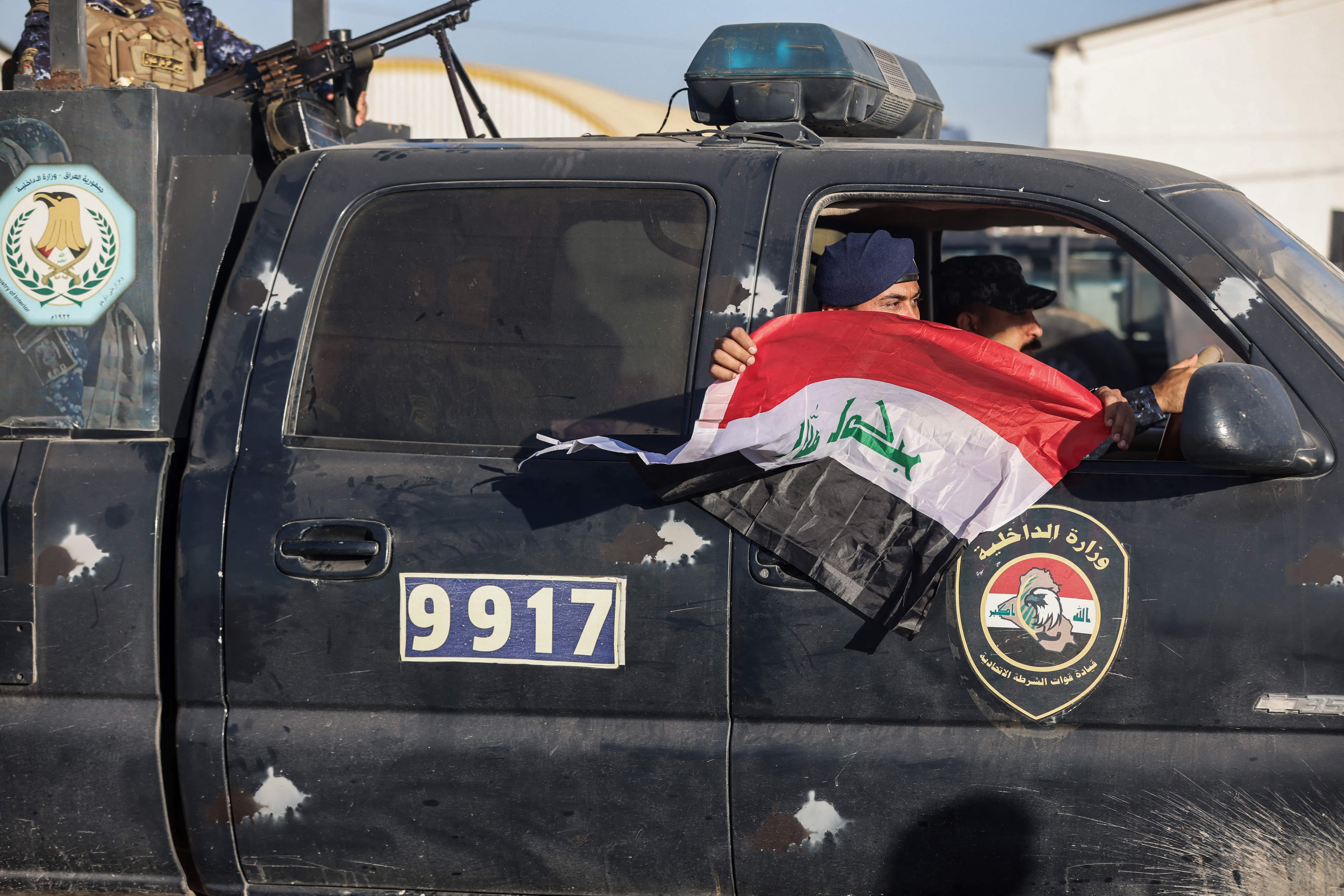
On Friday, Iraqi security forces initiated the entry into Jurf Al Sakhar, a stronghold held by the Iran-backed Kataib Hezbollah militia. The operation commenced as part of a government strategy aiming to reestablish state control over the region, which had been under militia control for years. Tanks and armored vehicles were deployed, signifying a significant move by Baghdad to assert authority in the area.
A compromise agreement was reached on Thursday to de-escalate tensions with Iran's most influential militia ally in Iraq. Under the deal, Kataib Hezbollah members were expected to relocate to other parts of the country, while federal police and the Popular Mobilization Forces were to assume control over specific areas. "The deployment of forces and the handover of areas of responsibility are taking place starting today," stated government spokesman Sabah Al Numan during a media conference held on the outskirts of Jurf Al Sakhar.
The government established a joint security headquarters in the district, integrating units from the army, federal police, energy police, and Kataib Hezbollah. This command is responsible for overseeing security, safeguarding oil infrastructure, and reopening crucial roads. The operation serves as a trial run for Baghdad's broader initiative to bring armed groups under state control while avoiding conflicts between competing Shiite factions.
Experts believe the outcome in Jurf Al Sakhar could significantly impact the government's strategy to curb militia influence and bolster central authority across Iraq.
This development marks a substantial shift from the past twelve years when the area remained beyond the government's reach. If implemented as planned, it would signify breaking the last stronghold of Kataib Hezbollah since the ISIS war. Lahib Hagel, an Iraq expert at Crisis Group, commented on the potential ramifications of the operation, noting the challenges in defining the areas controlled by the Hashd Brigades (Kataib Hezbollah) and the possibility of their influence persisting through them.
Jurf Al Sakhar, situated approximately 60km southwest of Baghdad, has been largely inaccessible to civilians and the government for over a decade. The predominantly Sunni area was liberated from ISIS in 2014 by Kataib Hezbollah fighters alongside Iraqi forces, but most former residents have been denied the right to return. Iraqi officials have increasingly associated the restoration of state authority in the district with the broader plan to reopen the area and address longstanding displacement issues.
Written by urgent.news from The National Business's reporting — not their text. Machine-written — may contain errors; check the original before relying on it.