Indigenous Seeds: East African farmers push for food security
The loss of indigenous crop varieties and growing dependence on imported commercial seeds are threatening food security and farmers’ control over what they grow. To address these challenges, farmers, policymakers, researchers and development partners gathered in Nairobi for the first Eastern Africa Indigenous Seeds Conference, calling for stronger protection of farmer-managed seed systems,…
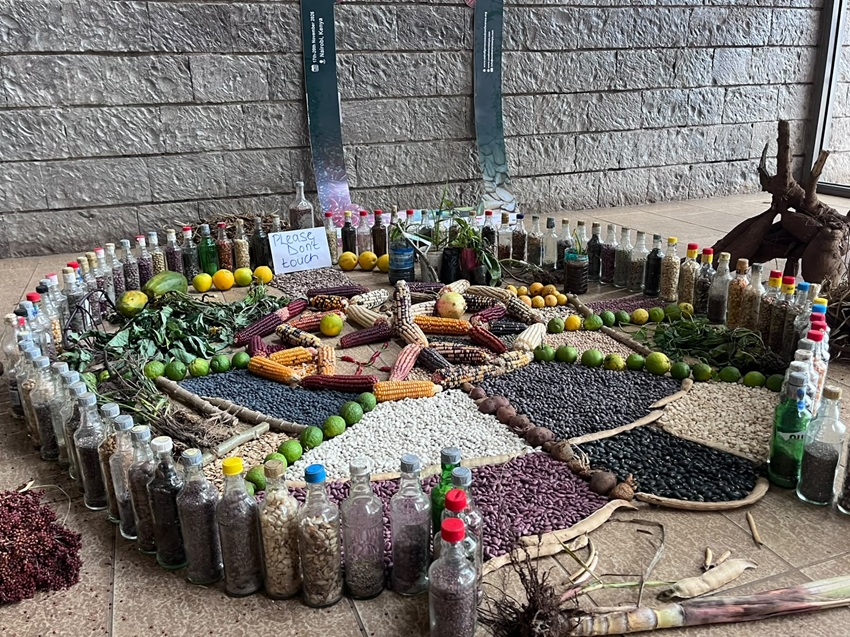
Indigenous crops could secure East Africa's food future as farmers, officials and experts met in Nairobi for a landmark conference focused on protecting farmer-managed seed systems. The gathering, convened by the Seed Savers Network, highlighted the critical role of indigenous seeds in ensuring food security, building climate resilience and preserving cultural heritage.
Participants explored how preserving local varieties, strengthening community seed banks and supporting farmers' rights to save and exchange seeds could create more resilient food systems. Judy Nyokabi Mugo, a farmer champion, shared how growing traditional seeds like Gikuyu, a hardy maize variety, has protected her farming costs and food supply by reducing reliance on costly hybrid seeds and chemical pesticides.
Daniel Wanjama, director of Seed Savers Network, stressed the urgent need for governments to prioritize indigenous seeds and farmer-managed seed systems. He warned that declining agricultural biodiversity and overdependence on commercial seeds threaten food security, noting that 80% of the seeds farmers use come from these traditional sources. Indigenous seeds are key to adapting to climate change, as they have evolved to thrive in local conditions.
Protecting these seeds is also vital for cultural identity, as they tell the story of generations past and the traditional knowledge that sustains communities. Wanjama called for policies that recognise farmers' rights to preserve and exchange seeds, reduce dependence on imported commercial seeds, and promote seed sovereignty. Investment and regional cooperation were also seen as essential to safeguarding these invaluable genetic resources for future generations.
Written by urgent.news from KBC's reporting — not their text. Machine-written — may contain errors; check the original before relying on it.