India's wheat area set for steepest decline in 26 years as farmers switch crops
India is experiencing its most severe decline in wheat acreage in 26 years due to insufficient monsoon rains. Farmers are shifting to less water-intensive crops like chickpeas and rapeseed, which promise better returns. The government's minimal increase in wheat procurement prices has also discouraged wheat planting among farmers. As a result, wheat acreage is expected to drop to its lowest level…
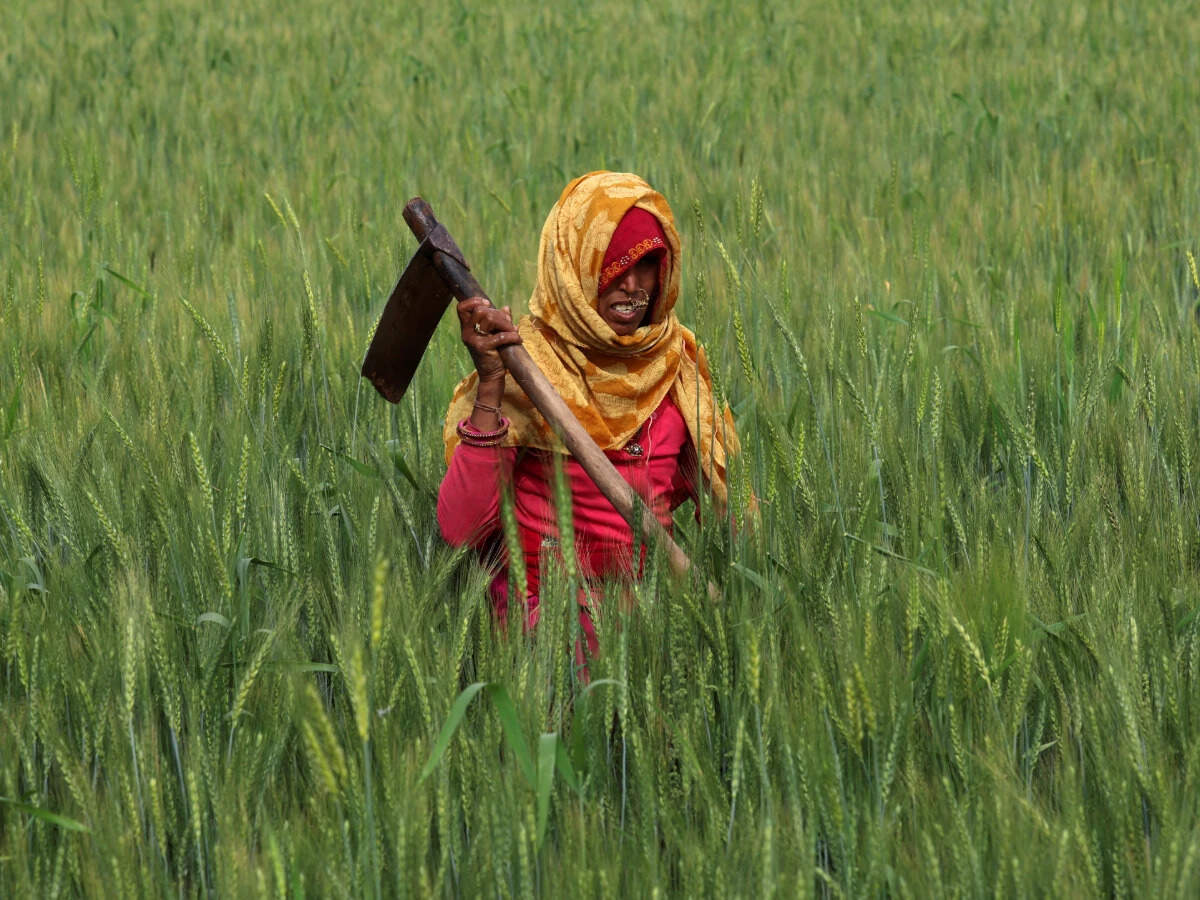
India's wheat acreage is set to experience its largest decline in 26 years due to a weak monsoon season and farmers seeking better returns from alternative crops, according to industry officials speaking with Reuters. Lower rainfall and the threat of a severe El Nino weather pattern have contributed to the situation, with the June-September monsoon rains falling 41% below average in key wheat-producing states like Punjab, Rajasthan, Madhya Pradesh, and Maharashtra.
Wheat requires at least four to five irrigations, but water scarcity has forced many farmers to opt for chickpeas and other less water-intensive crops. India's primary winter-sown crop, wheat typically competes with rapeseed, chickpeas, and corn for land use. With wheat needing more water than these alternatives, farmers in regions facing water shortages are opting to plant less wheat.
The decline extends to the upcoming 2026/27 season, with estimates suggesting a 6% drop from last year's record of 33.6 million hectares (83 million acres). This would mark the steepest decline since 2000/01, bringing wheat area to its lowest level in four years at 31.58 million hectares (78 million acres). While wheat acreage is expected to remain relatively stable in northern states with reliable irrigation like Haryana and Punjab, other regions are likely to shift towards water-efficient crops such as chickpeas and rapeseed.
Farmers in states like Uttar Pradesh are favoring these alternative crops over wheat due to their higher price returns. The minimum support price for wheat, which the government purchases from farmers at a rate of 2,610 rupees per 100 kg, has only been increased by 1% this year, the lowest hike since 2002/03. This modest increase is seen as a deterrent to expanding wheat acreage, further exacerbating the decline in planting.
Written by urgent.news from The Economic Times - Economy's reporting — not their text. Machine-written — may contain errors; check the original before relying on it.