India’s Anthropic Question, ShareChat’s Turnaround & More
Can India Build Its Own Anthropic? Anthropic’s blockbuster listing has put India’s AI ambitions under a harsh spotlight. The IPO…
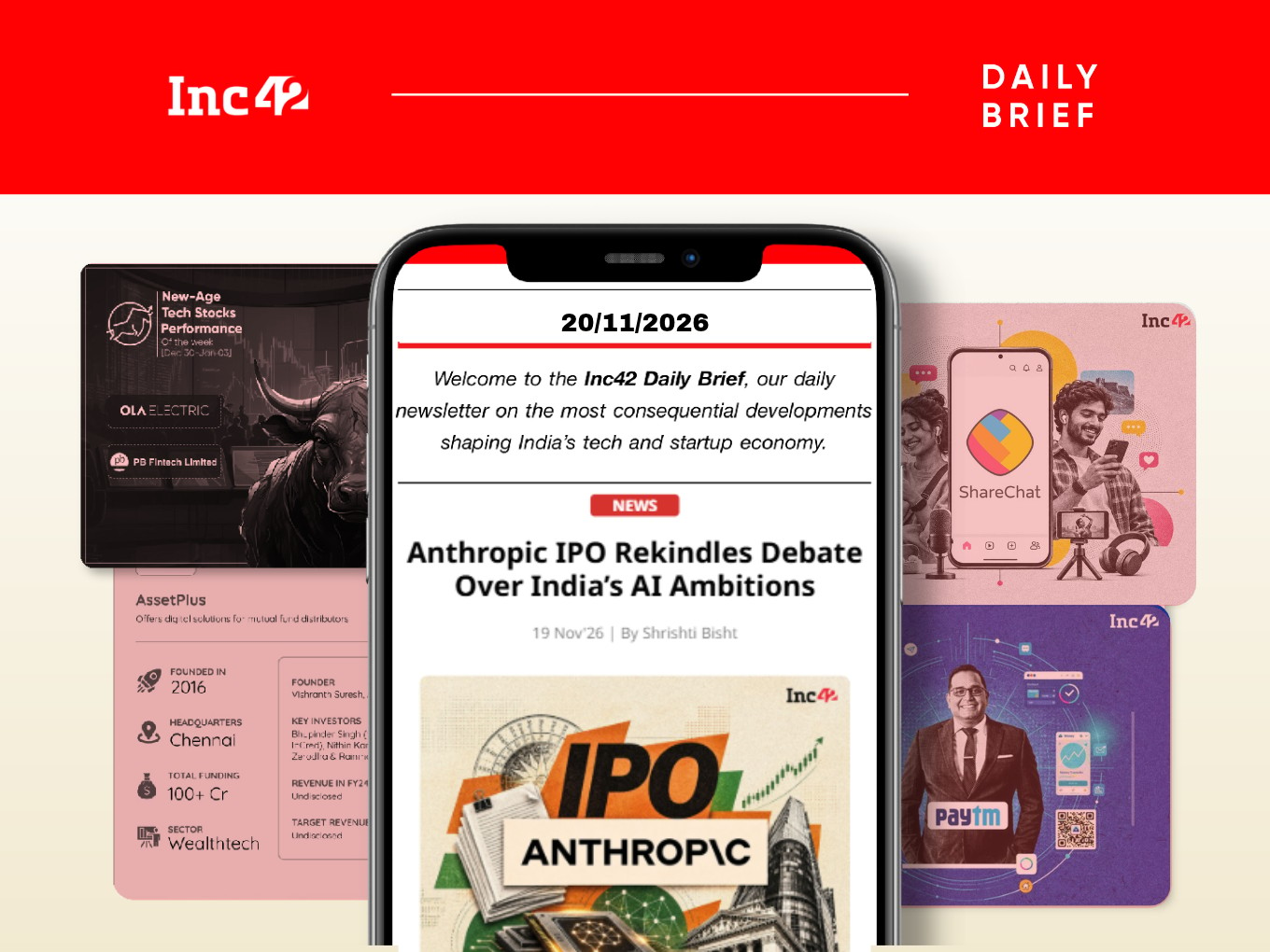
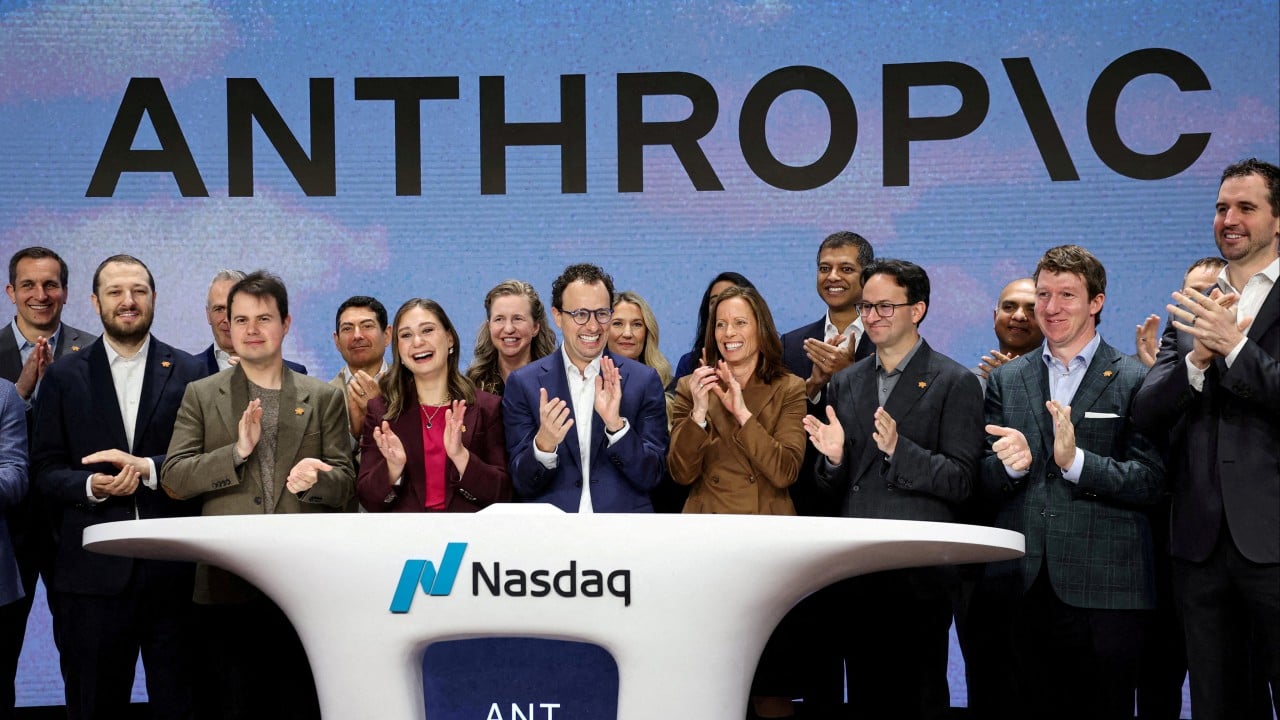
India's AI ambitions have been thrust into the spotlight following the blockbuster listing of Anthropic, an American AI startup. The IPO led to a heated debate about whether India can produce its own globally competitive AI companies. While some, like Kotak Mahindra Bank founder Uday Kotak, expressed concerns about India's lag in the tech economy, others, such as ex-Infosys CFO Mohandas Pai, urged founders to focus on deep technology research and development (R&D) to build local AI champions.
However, the AI funding landscape in India is not as straightforward as it seems. While domestic AI startups raised a record $1.1 billion in 2026, much of this funding went to vertical AI rather than foundational research. The valuation of AI companies has also become frothy, making it difficult for investors to justify the high valuations.
One of the biggest challenges for India's AI ecosystem is the talent bottleneck. To replicate Anthropic's scale, India needs more research talent, technical founders, and infrastructure to develop sophisticated AI models. Despite these challenges, there is optimism that India's AI story will continue to evolve. Mohalla Tech, the parent company of ShareChat, Moj, and QuickTV, recently crossed ₹1,000 crore in operating revenue for the first time in FY26.
However, the company also reported a 79% year-over-year (YoY) increase in its net loss to ₹1,978 crore. The launch of QuickTV opened up a new revenue stream and helped buffer against advertising headwinds. Mohalla Tech expects FY27 revenue to exceed ₹1,500 crore with nearly ₹25 crore in full-year EBITDA profit. The company is also eyeing a $400 million IPO in late 2027, subject to achieving full-year operating profitability in FY27.
Meanwhile, fintech giant Paytm has approved an investment of up to ₹200 crore in subsidiaries of Singapore-based Funding Societies. The investment includes a 19.1% stake in CardUp and another ₹38 crore infusion in a Funding Societies affiliate. Paytm has also signed a five-year deal to offer payments and lending technology support to CardUp.
However, the rollout of a merchant discount rate (MDR) on select UPI transactions has been delayed until after the 2027 state elections due to concerns over potential backlash from merchants and trade associations.
Written by urgent.news from Inc42's reporting — not their text. Machine-written — may contain errors; check the original before relying on it.