India ties for APAC’s highest phishing rate as employee awareness gaps emerge: Kaspersky
India and Indonesia share APAC's highest reported phishing rate, but the survey's 70% employee-awareness finding points to a broader weakness in business cyber resilience.
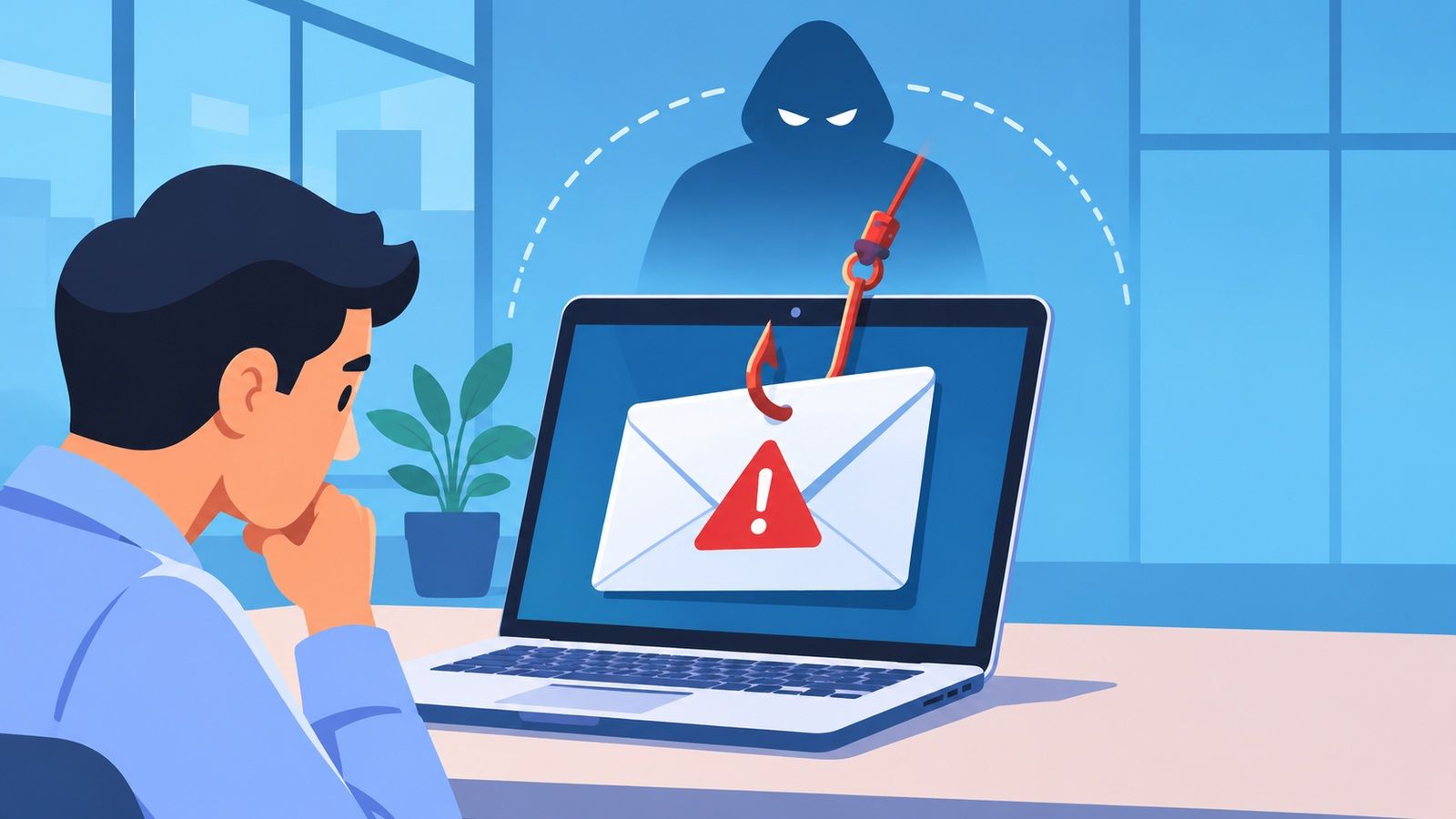
India and Indonesia lead Asia-Pacific in phishing rates, according to a Kaspersky survey covering 1,800 interviews across 18 countries. Indian businesses reported the highest proportion, at 28%, with Indonesia closely following at the same rate. This outpaces the APAC average of 24%. In India specifically, 21% of respondents noted attacks involving weak or stolen credentials, surpassing the 15% average across APAC.
Mass malware attacks were reported by 21%, while software vulnerability exploits were at 20%. Among organizations affected by cyber incidents, 33% in the region targeted sensitive business information, while 32% aimed for customers' personal data. Shockingly, about 70% of Indian respondents attributed at least one cyberattack to their employees' low IT security awareness, matching Malaysia's rate and exceeding the APAC average of 63%.
However, this statistic contrasts with another finding where 53% of Indian respondents rated their organization's cybersecurity culture as high, suggesting a disconnect between perceived IT security knowledge and actual practices. Adrian Hia, Kaspersky's managing director for Asia Pacific, emphasized the challenge employees face in recognizing phishing emails amidst everyday communications.
Kaspersky's advisory highlighted evolving threats, including targeted attacks against Microsoft 365 environments using password-spraying, credential-stuffing, device-code phishing, and stolen session tokens. The Indian regulatory framework is adapting to these risks, with CERT-In mandating timely reporting of cyber incidents and secure retention of system logs.
Additionally, the Digital Personal Data Protection Rules, effective November 2025, emphasize swift notification of personal data breaches to affected individuals, while the Reserve Bank of India's recent directions for financial institutions further bolster cyber resilience and digital payment security.
Rewritten by urgent.news; may contain errors — check the original.
Source: yourstory.com