How High-Street Brands Infiltrated the Contemporary Market
Premium high-street brands like Cos and Massimo Dutti are convincing shoppers that their products are just as aspirational, and just as good a substitute for luxury, as those from the leading contemporary players.
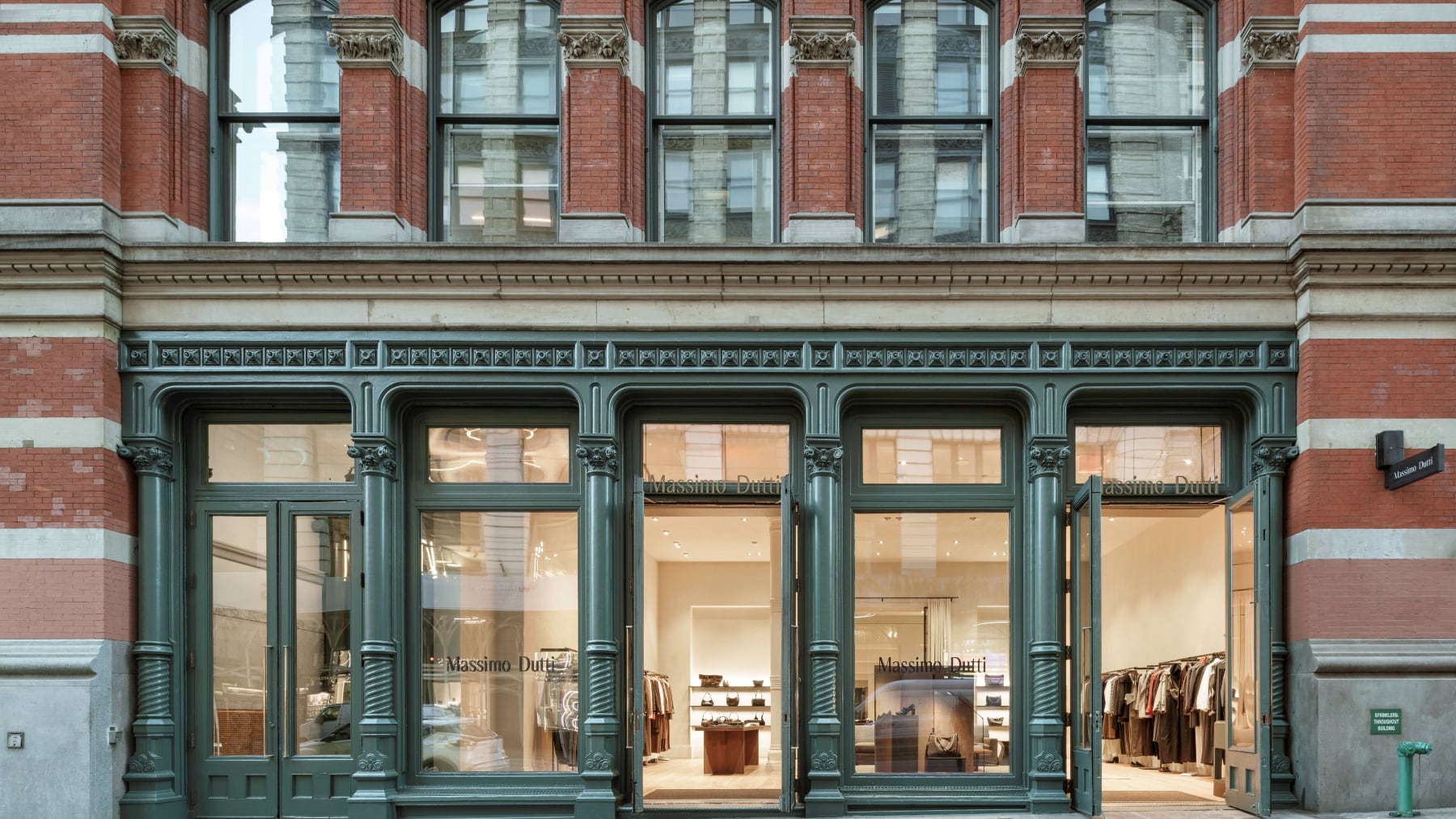
High-street brands have infiltrated the contemporary fashion market, redefining the landscape after years of oscillation between luxury and mass market. Contemporary brands such as Reformation and Sézane are driving a renaissance in the industry, fueled by evolving consumer preferences and emerging, ambitious labels.
The Spanish fast-fashion behemoth Zara has emerged as a formidable competitor, achieving a premium status through strategic branding and store enhancements. The recently refurbished, technology-centric Bond Street flagship in London exemplifies Zara's efforts to distinguish itself from lower-priced rivals. Zara's Managing Director, Daniel Herrmann, elucidates the brand's approach to balancing high-end and budget-friendly offerings in the BoF-McKinsey State of Fashion 2026.
Meanwhile, H&M, owned by the Swedish retail giant Hennes & Mauritz, continues to attract a diverse clientele seeking sophisticated designs at affordable prices. Company executives aim to expand their presence in the Bangladeshi market, targeting a tripling of sales over the next five years. Despite recent setbacks, including inventory mismanagement, the company remains steadfast in its growth strategy.
Rewritten by urgent.news; may contain errors — check the original.
Source: businessoffashion.com