Gen Z: Bezahlbarkeit kann man nicht fordern, die muss man erarbeiten
Von Madrid bis Berlin ruft eine Generation nach bezahlbarem Leben. Der Wunsch ist verständlich, die Forderung ein Irrtum. Drei Beispiele zeigen, warum – und was stattdessen hilft. Ein Essay.
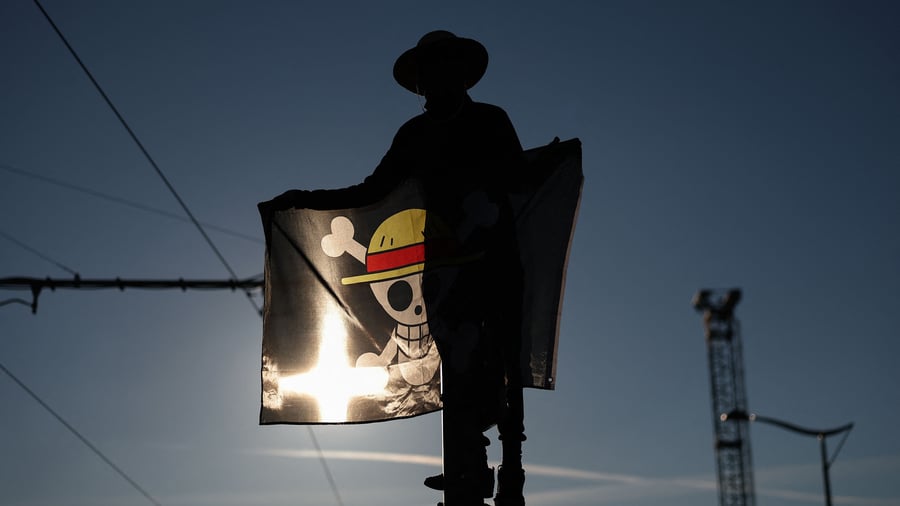
In Germany, a protest movement led by the youth, known as "Gen Z regelt," has gathered over 65,000 people in cities, demanding affordability. This movement, which connects with students in France, renters in Madrid, and voters in Ohio, is united under the single word "affordability." Similar movements are seen in France, Spain, and Italy, where high living costs have driven governments to call for new elections. In the United States, Democrats have used the promise of affordability to retake both chambers of Congress.
The core question behind this demand is how much prosperity one's own work brings. Young people increasingly answer this question pessimistically. A recent ARD-Deutschland trend survey shows that 72% of young respondents find it more difficult to build prosperity compared to their parents.
The current situation is particularly unfavorable. A war is disrupting energy supplies, other regions are rapidly increasing productivity, and most western households have little room for subsidies. Every euro spent on a discount is therefore missing where future prosperity should grow. It's crucial not to downplay the frustration of the young, as their demand for affordability cannot be dismissed as nonsense.
Affordability cannot be ordered; it must be earned. And producing more productivity doesn't involve walking on the streets.
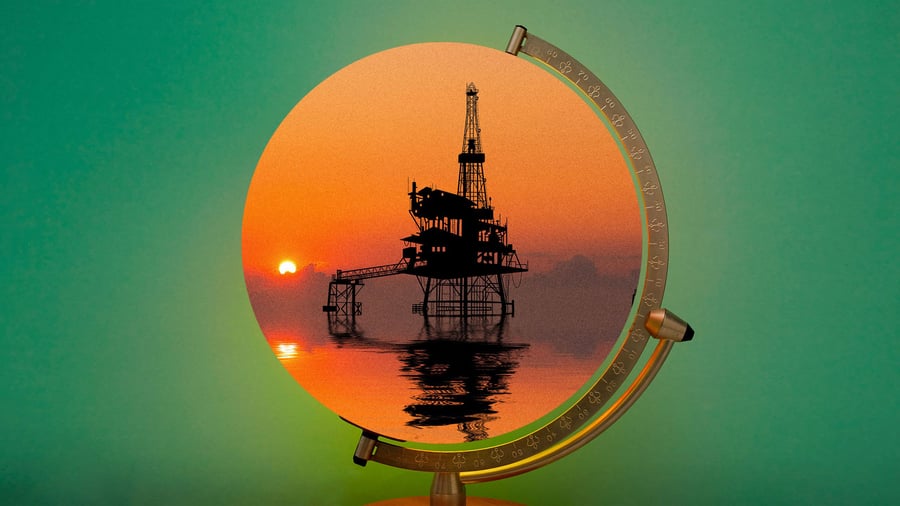
The issue is not merely about fuel prices. Gasoline in Germany currently costs about a third more than the average of the previous year due to the Hormuz Strait blockade following the Iran war. Oil is scarce in a tight market, with the highest bidder paying the most. The West is not alone at this table. China now consumes around 11 million barrels more oil daily than it produces, more than the entire European Union. Even the United States, which now exports more oil than it imports, pays the price set by this market.
The summer of 2022 saw Pakistan experience this disparity when their offers for liquefied gas remained unmet, leading to European imports. Pakistan's Energy Minister Musadik Malik noted that Europeans buy gas wherever it's available, which led to power cuts. Europe was on the side of those who could offer more. Similarly, food prices rise when climate conditions harm harvests.
In 2024, olive oil in Germany was twice as expensive as in 2021 due to droughts in Spain. Researchers from the European Central Bank and the Potsdam Institute for Climate Impact Research calculated that the heatwave of 2022 alone increased food inflation in Europe by 0.4 to 0.9 percentage points. The olive oil only became cheaper after the harvest returned: by the end of 2025, it was a quarter of its peak price.
A price cap does not make an olive tree grow. Those who try to bring prices down affect nothing on the world market side.
Written by urgent.news from Handelsblatt's reporting — not their text. Machine-written — may contain errors; check the original before relying on it.