From ukiyo-e to ‘Godzilla,’ where do Japanese monsters stand in the Asian imagination?
"Myths and Monsters: The Art of Fantasy in Asia" exhibits some 430 works, surveying two centuries of Asian storytelling, with a heavy focus on Japan.
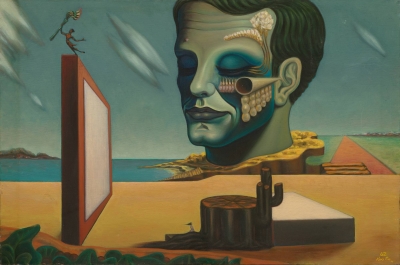
Hong Kong – For centuries, Japan's mysterious creatures known as yōkai have transcended local folklore to become influential figures in global imagination. Their impact is evident in prominent locations such as Hong Kong's M+ contemporary art museum, which is currently hosting the "Myths and Monsters: The Art of Fantasy in Asia" exhibition.
Open until April 4, 2027, the exhibition showcases approximately 430 works that span two centuries of Asian storytelling through various mediums like paintings, textiles, manga, anime, and multimedia art. Japanese contributions make up a significant portion of this collection, demonstrating how Japan has shaped the fantasy landscape across Asia.
The exhibition's first chapter, "Spirits Among Us: Fantasy in the 1800s," highlights the flourishing of Japanese yōkai art during that era. This period coincided with Japan grappling with both external and internal threats, including invasions and a civil war that ultimately led to the end of more than two centuries of shogunate rule.
Kyosai Kawanabe's 1874 ukiyo-e print "School for Spooks" serves as a satirical representation of the era, featuring the Chinese "king of ghosts," Shoki, donning Western attire while instructing a class of yōkai students.
Written by urgent.news from Japan Times's reporting — not their text. Machine-written — may contain errors; check the original before relying on it.